


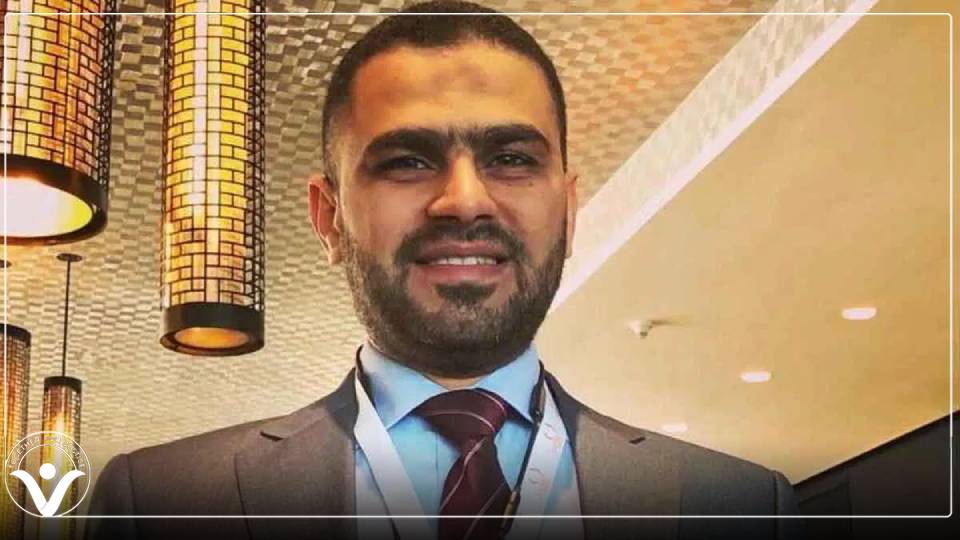
Nearly five years after the arrest of Saudi academic Dr. Osama Al-Hasani, he remains imprisoned in Saudi Arabia despite having already completed the prison sentence issued against him. Human rights organizations, including Together for Justice, continue to raise serious concerns about his continued detention, describing it as a clear case of arbitrary imprisonment that lacks any legal basis.
Dr. Al-Hasani, who holds both Saudi and Australian citizenship, was first arrested in Morocco in February 2021 before being forcibly transferred to Saudi Arabia on 13 March 2021. His transfer raised immediate alarm among rights groups, who warned that the move violated the international legal principle of non-refoulement, which prohibits returning individuals to countries where they risk unfair trials, torture, or other serious human rights violations.
Following his transfer to Saudi Arabia, Dr. Al-Hasani was subjected to a period of enforced disappearance, during which his family and legal representatives were unable to obtain any information about his whereabouts or legal status. He later appeared before the Specialized Criminal Court, a tribunal widely criticized by international observers for its role in prosecuting political cases.
In those proceedings, the court sentenced him to four years in prison after a trial that lacked transparency and failed to meet basic standards of due process. Rights groups noted that the case against him was not related to any recognizable criminal offense but was instead linked to his views and intellectual engagement in public affairs.
Despite the fact that the four-year sentence has already expired, Dr. Al-Hasani continues to be held in prison without any new legal ruling to justify his detention. His continued imprisonment therefore constitutes a new violation of his rights, adding to the series of abuses he has already faced since his arrest.
Human rights organizations have also questioned the circumstances surrounding his extradition from Morocco, noting that the request reportedly relied on claims related to a commercial dispute, while the underlying motives appeared to be political. Several legal experts have argued that the Moroccan authorities should not have proceeded with the transfer given the risk of unfair treatment in Saudi custody.
Together for Justice stresses that the Saudi authorities bear full responsibility for Dr. Al-Hasani’s safety and well-being, and reiterates its demand for his immediate and unconditional release. The organization also calls for a thorough review of the legal process that led to his imprisonment and for accountability regarding the violations he has endured.
The case of Dr. Osama Al-Hasani has become emblematic of the broader pattern of targeting academics, writers, and independent thinkers in Saudi Arabia. His continued detention even after completing his sentence highlights ongoing concerns about the rule of law and the protection of fundamental freedoms in the country.