


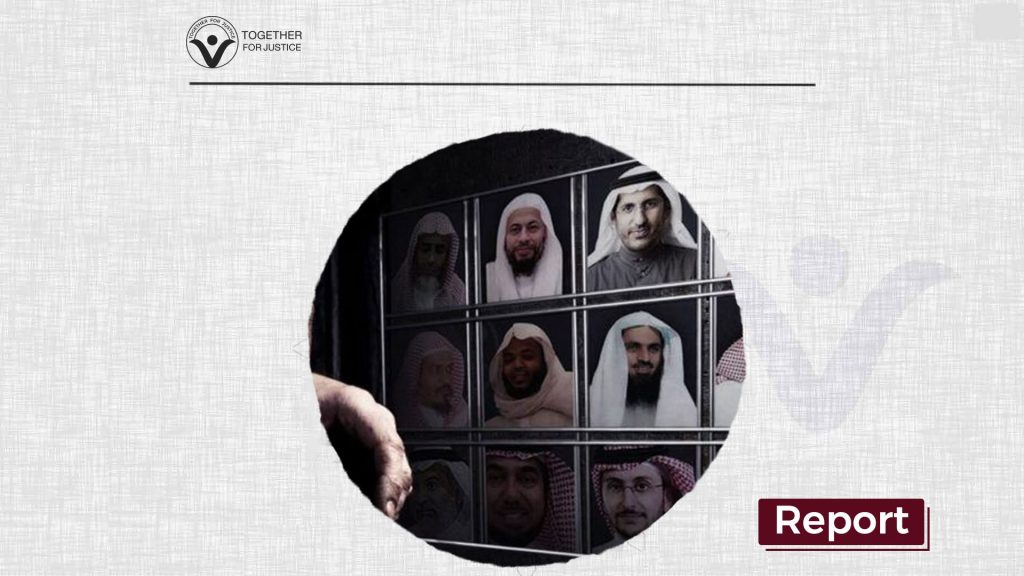
This month marks the seventh anniversary of what has come to be known as Saudi Arabia’s “Black September.” In September 2017, the Kingdom launched an unprecedented crackdown on dissent, arresting clerics, intellectuals, activists, and prominent figures in a sweeping move that shocked the international community. As we reach this grim milestone, it is crucial to reflect on the legacy of this event and the ongoing suppression of freedoms in the Kingdom.
The Crackdown: A Prelude to Reforms or a Power Play?
The September 2017 crackdown, often framed by Saudi authorities as part of Crown Prince Mohammed bin Salman’s broader reform agenda, targeted those who were seen as obstacles to his Vision 2030 project. Ostensibly a plan to modernize Saudi Arabia’s economy and reduce its dependence on oil, Vision 2030 also aimed to liberalize certain social practices and open the country to foreign investment.
However, the arrests of over 20 prominent individuals, including religious clerics such as Salman al-Ouda and Awad al-Qarni, were interpreted by many as less about reform and more about consolidating the Crown Prince’s control over the country. The crackdown extended to journalists, human rights defenders, and even members of the royal family who voiced concerns or opposition to the new direction in which the Crown Prince was steering the nation.
What made this crackdown particularly severe was the breadth of those targeted. In addition to clerics and reformists, even conservative figures, once seen as staunch allies of the regime, were arrested for failing to align with the rapid and far-reaching reforms.
Seven Years Later: A Legacy of Repression
Seven years on, many of those detained in the Black September purge remain behind bars, often without formal charges or transparent legal proceedings. High-profile clerics like Salman al-Ouda have been imprisoned in solitary confinement, facing life-threatening health conditions due to the harsh conditions of their detention.
The aftermath of Black September set a dangerous precedent for Saudi Arabia’s internal policies. What followed was a series of further crackdowns on dissent, including the arrest of women’s rights activists, journalists, and even members of the Saudi royal family. Many were tortured, subjected to unfair trials, or held incommunicado for extended periods. Saudi dissident journalist Jamal Khashoggi, assassinated in the Saudi consulate in Istanbul in 2018, became one of the most prominent symbols of the regime’s growing intolerance of criticism.
The Global Response: A Turning Point?
Despite the widespread international outrage and condemnation from human rights organizations, there has been little sustained pressure on the Saudi regime to account for the violations of human rights since the 2017 crackdown. The global community, particularly the West, remains deeply invested in Saudi Arabia, given its strategic importance as an oil producer and a counterbalance to Iran in the region.
This complicity has contributed to the sense of impunity with which the Saudi leadership operates. The lack of substantial diplomatic consequences for the September crackdown and subsequent abuses emboldened further repression, leaving Saudi activists and dissidents with little hope for international intervention.
The Way Forward: Demands for Accountability
On the seventh anniversary of Black September, human rights defenders and international observers must renew calls for accountability. The silence surrounding the fate of many detainees, including those who merely advocated for peaceful reforms, is a stain on the Saudi government’s record. If Saudi Arabia is genuinely committed to reform and modernization, it must begin by respecting basic human rights, releasing political prisoners, and allowing for a free exchange of ideas.
The international community also has a role to play. Western governments, who often tout their support for democracy and human rights, must stop turning a blind eye to Saudi Arabia’s repression in exchange for economic and geopolitical interests. It is only through sustained pressure, both from within and outside the country, that meaningful change can occur.
As Saudi Arabia marks seven years since the infamous Black September crackdown, the Kingdom stands at a crossroads. The continued imprisonment of activists, clerics, and intellectuals reveals the darker side of the Vision 2030 project—a vision that, while promising economic and social reforms, continues to operate under a cloud of repression and fear. Until Saudi Arabia addresses the injustices of September 2017 and beyond, the true meaning of reform will remain elusive, and the country’s journey toward modernization will be incomplete.
Now, more than ever, the world must stand in solidarity with those silenced and imprisoned, urging Saudi Arabia to uphold the very freedoms it claims to promote.