


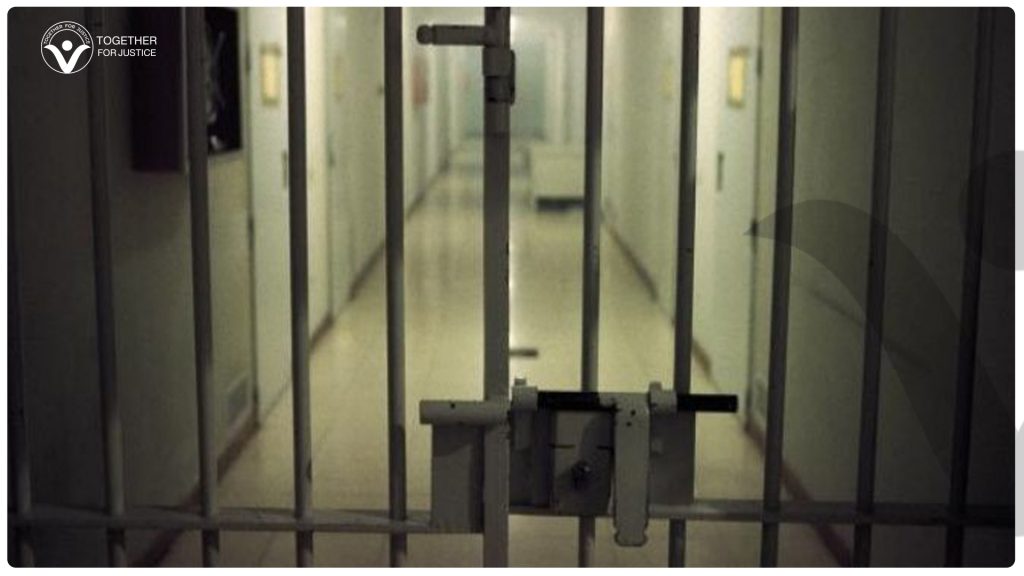
The fate and whereabouts of Yemeni journalist and television presenter Majed Al-Oudi, a host on Al-Mahrah TV Channel, remain completely unknown since his arrest by Saudi authorities in late December. To date, no official explanation has been provided regarding the reasons for his detention, his place of custody, or his legal status, raising serious concerns that he is a victim of enforced disappearance.
Despite the passage of weeks since his arrest, Saudi authorities have refused to disclose any information about Al-Oudi’s condition or whereabouts. There has been no confirmation of whether charges have been filed, whether he has been brought before any judicial authority, or whether he has been allowed contact with his family or legal counsel. This total lack of transparency has heightened fears for his safety and well-being and reflects a recurring pattern of repression targeting journalists and media professionals.
Under international human rights law, the arrest of an individual followed by a refusal to acknowledge their detention or disclose their fate or location constitutes enforced disappearance — one of the most serious human rights violations. Such practices place detainees at heightened risk of torture, ill-treatment, and detention outside the protection of the law.
Majed Al-Oudi is known for his professional media work and for presenting political and current affairs programmes addressing Yemeni and regional issues within the framework of journalism. There is no publicly available information suggesting his involvement in violence or unlawful activity. His arrest, in the absence of any legal justification, therefore represents a direct attack on freedom of expression and press freedom, and sends an alarming message to journalists operating in the region.
The continued disappearance of Al-Oudi also underscores the growing phenomenon of cross-border repression, in which journalists and critics face arrest and enforced disappearance outside their home countries, amid the absence of accountability or effective international oversight. This raises serious questions regarding Saudi Arabia’s compliance with its international obligations, including the prohibition of enforced disappearance and the duty to protect freedom of expression.
In light of these concerns, we call for the immediate disclosure of Majed Al-Oudi’s whereabouts and legal status, assurances regarding his physical and psychological integrity, and his prompt access to family members and legal counsel. Should no lawful charges be brought against him, he must be released immediately and unconditionally.
The ongoing silence surrounding this case cannot be interpreted as anything other than complicity in enforced disappearance. Saudi authorities bear full responsibility for Majed Al-Oudi’s safety and for any harm he may suffer. The international community, United Nations mechanisms, and organisations dedicated to the protection of journalists must act urgently to press for an end to this violation and to ensure accountability for those responsible.