
Four Years of Repression: The Enforced Disappearance of Researcher Saud Al-Sarhan
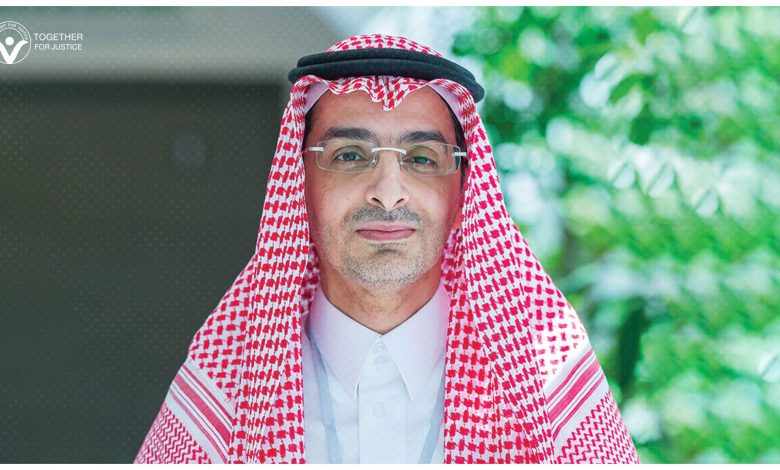
Saud Al‑Sarhan, former Secretary-General of the King Faisal Center for Research and Islamic Studies, has remained forcibly disappeared since October 2021. To date, Saudi authorities have provided no official information regarding his whereabouts, legal status, health condition, or the grounds for his detention.
Al-Sarhan is not a marginal figure or a political activist operating outside state institutions. He is a well-known researcher who held a senior position within one of Saudi Arabia’s most prominent research centers. His disappearance therefore marks a serious escalation: the targeting of an academic voice that operated from within official structures rather than in opposition to them.
Prior to his disappearance, Al-Sarhan published an analytical article examining Saudi Arabia’s political and economic trajectory under Crown Prince Mohammed bin Salman. The piece offered a measured, academic assessment of the sustainability of large-scale promises in the absence of political openness. It did not call for unrest, incitement, or confrontation. It was a standard policy analysis—precisely the type of work expected from a senior researcher. Nevertheless, credible information indicates that this analysis itself became the basis for his arrest.
In October 2021, Al-Sarhan was taken into custody and subsequently vanished. Since then, authorities have neither confirmed his detention nor denied it. No charges have been announced, no court proceedings disclosed, and no access granted to family members or independent legal counsel. This total absence of acknowledgment or transparency meets the international legal definition of enforced disappearance, a grave violation that places victims outside the protection of the law and exposes them to severe risk.
The prolonged nature of Al-Sarhan’s disappearance—now approaching four years—intensifies concerns about his safety and well-being. Enforced disappearance is not a temporary administrative failure; it is a continuing violation that persists for as long as the state refuses to reveal the fate or location of the disappeared person.
This case illustrates a broader pattern in which analytical thought and independent assessment are treated as threats when they diverge from officially sanctioned narratives. The message is clear: even senior researchers who previously served within state institutions are not immune from repression if their work crosses undefined political red lines.
The disappearance of Saud Al-Sarhan is therefore not merely an individual injustice. It is a direct attack on academic freedom, the right to research, and the public’s right to informed analysis. A state that responds to policy analysis with enforced disappearance signals that intellectual inquiry itself has become criminalized.
In light of the absence of any disclosed legal basis for Al-Sarhan’s detention, there are no grounds to justify his continued deprivation of liberty. His case demands immediate action.
Together for Justice calls for the immediate disclosure of Saud Al-Sarhan’s whereabouts and legal status, full access to his family and independent legal counsel, and his immediate and unconditional release. We further call for an independent and transparent investigation into his arrest and disappearance, including accountability for those responsible.
Any release must be accompanied by clear guarantees against re-arrest or future reprisals linked to his research or opinions. Without such guarantees, release would merely serve as a prelude to renewed repression.
Four years of silence cannot be explained, justified, or normalized. The enforced disappearance of Saud Al-Sarhan stands as compelling evidence that in Saudi Arabia, even institutional researchers can be erased for their ideas. International silence in the face of such violations no longer constitutes neutrality—it enables their continuation.