Maryam Al-Qaisoom Imprisoned for Her Human Rights Activism — Serving a 25-Year Sentence

Saudi activist Maryam Al-Qaisoom has remained in detention since February 2019, serving a 25-year prison sentence followed by a 25-year travel ban in a case that underscores the treatment of human rights defenders in Saudi Arabia.
Al-Qaisoom was arrested in connection with her peaceful human rights and civic engagement, including participation in activities advocating for political reform and expanded public freedoms. These actions, which fall within the scope of legitimate expression, were instead treated as security-related offenses, leading to her arrest and prolonged detention.
She spent over four years in arbitrary detention before a final verdict was issued. When the ruling was eventually handed down, it imposed an exceptionally severe penalty—25 years in prison—placing her among the individuals receiving some of the longest sentences linked to peaceful activism.
Proceedings in her case raised significant concerns. Reports indicate that she was denied full access to legal representation, her defense was not adequately considered, and no meaningful investigation was conducted into alleged violations during her detention. These shortcomings point to a lack of adherence to basic fair trial standards.
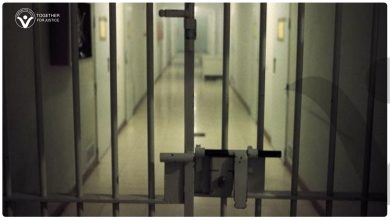
Al-Qaisoom is currently held in Dammam Mabahith Prison, a facility widely associated with the detention of political prisoners. Conditions in such facilities have been repeatedly criticized, with reports highlighting medical neglect, ill-treatment, and restrictions on detainees’ basic rights.
Her case reflects a broader pattern, particularly affecting women activists, where individuals engaged in peaceful advocacy face disproportionate sentencing and prolonged imprisonment. It also raises questions about the gap between official narratives of reform and the realities experienced by those expressing independent views.
Now, after more than seven years in detention, Maryam Al-Qaisoom continues to serve a sentence that has drawn concern from human rights observers, particularly given the non-violent nature of her activities.
Together for Justice states that her continued imprisonment constitutes a serious violation of fundamental rights and calls for her immediate and unconditional release, as well as a review of the legal process that led to her conviction.
The organization also urges the international community, including the United Nations and relevant human rights mechanisms, to take concrete steps to address such cases and ensure the protection of individuals engaged in peaceful advocacy.