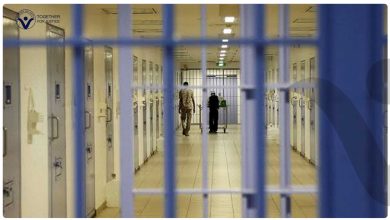
Saudi Regime Executes a Young Man for Alleged Charges Dating Back to Age 12
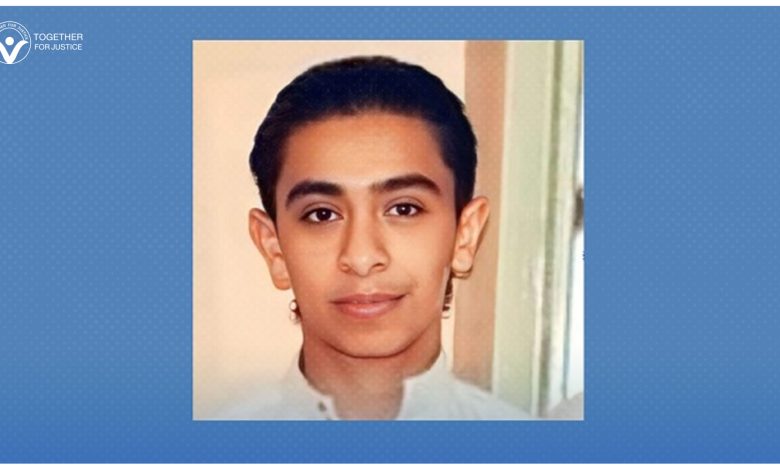
On 9 April 2026, Saudi authorities carried out the execution of Ali Al-Sabiti in a case that reflects a significant escalation in the use of the death penalty, particularly in cases involving acts allegedly committed during childhood. The gravity of this case lies in the fact that it constitutes the third documented execution within a short period of an individual convicted on the basis of charges dating back to before the age of eighteen, in clear violation of binding international standards.
According to available information, Ali Al-Sabiti, born on 13 May 1999, was arrested in October 2017. During his detention, he was subjected to a series of violations, including prolonged solitary confinement during interrogation and denial of adequate access to legal counsel and family contact. His case was referred to the Specialized Criminal Court, which handles “terrorism” cases, where he was subjected to proceedings that fell short of minimum fair trial standards, before being sentenced to death in October 2022.
The indictment indicates that the charges against him included acts related to the exercise of fundamental rights, such as participation in protests and gatherings, and “seeking to destabilize the social fabric.” These allegations date back to 2011, when he was approximately 12 years old. This raises a fundamental legal issue, as prosecuting an individual for acts committed as a child and imposing the death penalty on that basis constitutes a clear breach of juvenile justice principles and the prohibition of executing minors under international law.
The execution in this case is inconsistent with Saudi Arabia’s obligations under the Convention on the Rights of the Child, which categorically prohibits the execution of individuals for offenses committed while under the age of eighteen. It also contradicts official Saudi measures, including the 2020 royal order halting discretionary death sentences for minors, and the 2018 Juvenile Law, which set a maximum penalty of ten years’ imprisonment for juvenile offenders.
Despite these provisions, the facts indicate the existence of broad exceptions, particularly in cases classified as “terrorism,” effectively allowing the continued issuance and implementation of death sentences for acts committed during childhood. Similar executions have previously been carried out, including those of Mustafa Al-Darwish, Jalal Labad, and Abdullah Al-Darazi, reflecting a recurring pattern rather than isolated incidents.
Additional concerns arise regarding the integrity of the judicial process, as available information indicates that the conviction relied on confessions, amid allegations of torture and ill-treatment. Such circumstances undermine the credibility of the verdict and place it within the framework of serious violations of fair trial guarantees.
The concern is not limited to this case alone but extends to other detainees currently at risk of execution, including Youssef Al-Manasif, Ali Al-Mabyouq, Jawad Qureiris, and Hassan Al-Faraj. United Nations experts have previously indicated that their detention and death sentences lack a sound legal basis.
These developments occur within the context of an unprecedented increase in executions in Saudi Arabia. In 2025, the Kingdom recorded the highest number of executions in its history, with 356 cases, and the high rate has continued into 2026, with dozens of executions already carried out. A significant proportion of these executions relate to non-lethal offenses, including drug-related charges and broadly defined “terrorism” offenses, contrary to international standards that restrict the death penalty to the “most serious crimes,” namely those involving intentional killing.
From a legal perspective, the execution of Ali Al-Sabiti constitutes a compound violation of peremptory norms of international law, particularly the prohibition on executing minors, the right to a fair trial, and the prohibition of torture and ill-treatment. It also reflects a structural inconsistency between domestic legislation and its practical application, where legal safeguards are bypassed or undermined through broad exceptions, particularly in politically sensitive cases.
This case demonstrates that the death penalty in Saudi Arabia is not limited to ordinary criminal contexts but is increasingly applied in cases involving freedom of expression and assembly, raising serious concerns about its use as a tool of deterrence in a broader political context.
Accordingly, Together for Justice calls for an immediate halt to executions in all cases that do not meet the threshold of the “most serious crimes,” and for a review of all death sentences issued against individuals for acts committed while they were minors. The organization also calls for an independent investigation into the violations associated with such cases and for accountability in line with Saudi Arabia’s international obligations.