
The Goat Life: How Many Najeeb Muhammad in Saudi Arabia?
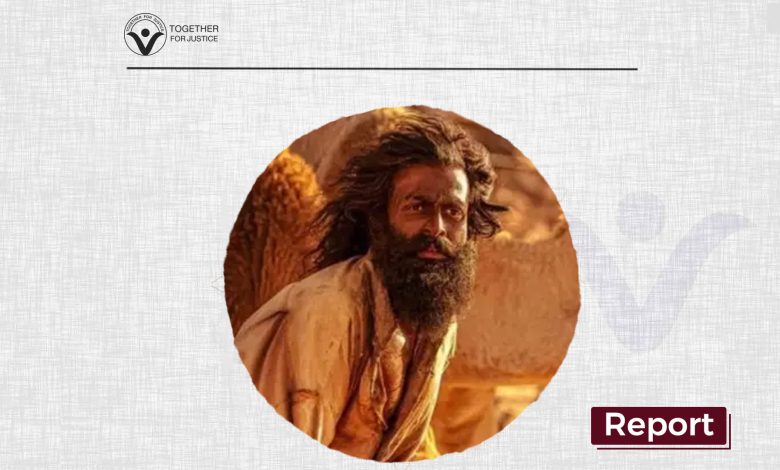
The release of The Goat Life has brought to the forefront a harrowing story of modern-day slavery that echoes the untold sufferings of countless migrant workers in Saudi Arabia. Najeeb Muhammad’s story, depicted in this powerful film, is not just a singular tragedy but a representation of the broader systemic exploitation under the infamous Kafala system, which continues to subject millions of migrant workers to inhumane conditions.
The Untold Stories of Exploitation
Najeeb’s tale is not unique. The Kafala system, prevalent in many Gulf countries, including Saudi Arabia, binds migrant workers to their employers, often leading to severe abuses. Workers under this system are frequently subjected to physical and psychological abuse, withheld wages, confiscation of passports, and restrictions on their freedom of movement. These conditions create an environment ripe for exploitation, where workers like Najeeb are treated as disposable labor with little recourse to justice.
The Kafala System: A Modern Form of Slavery
The Kafala system has long been criticized by human rights organizations as a form of modern-day slavery. Despite promises of reform by Saudi Arabia’s Crown Prince Mohammed bin Salman, including efforts to relax some aspects of the system, the reality on the ground remains grim for many workers. The so-called reforms have often been superficial, leaving the core issues of exploitation and lack of legal protections unaddressed.
Migrant workers, particularly those in domestic work, construction, and agriculture, continue to face harsh working conditions with little to no oversight. The story of Najeeb, who was forced to herd goats in the Saudi desert under appalling conditions, resonates with the experiences of many who have been trapped in a system that dehumanizes and degrades them.
The Reality of “Reform”
Mohammed bin Salman’s Vision 2030 has been touted as a transformative plan for Saudi Arabia, promising to modernize the economy and improve human rights. However, the reality for migrant workers tells a different story. While there have been some steps towards easing the restrictions of the Kafala system, such as allowing workers to change jobs without employer consent, these measures have been largely ineffective in protecting workers from abuse.
In many cases, workers continue to be at the mercy of their employers, with little access to legal recourse or support. The power dynamics entrenched in the Kafala system mean that even with reforms, the exploitation of migrant workers remains a pervasive issue.
No Wages
In recent years, Saudi Arabia has witnessed several high-profile cases where migrant workers have been denied their rightful wages, shedding light on the systemic exploitation within the Kafala system. One notable instance occurred in 2019, when thousands of Indian workers were left stranded without pay for several months after the companies, they worked for failed to meet their financial obligations. These workers, who were employed in construction and other sectors, faced extreme hardships, with many living in overcrowded labor camps under deplorable conditions, unable to afford basic necessities or return home due to the confiscation of their passports by employers.
The Saudi government’s responses, such as offering minimal financial assistance or limited legal pathways for workers to reclaim their wages, have been largely insufficient. These incidents underscore the urgent need for comprehensive reform of the Kafala system, which continues to enable such abuses and leaves migrant workers vulnerable to exploitation and deprivation of their basic human rights.
Detention Centers
During the COVID-19 pandemic, migrant workers in Saudi Arabia faced exacerbated hardships, reflecting the systemic vulnerabilities inherent in the Kafala system. The pandemic revealed the stark reality of their living conditions, as many were confined in overcrowded and unsanitary accommodations where social distancing was impossible. Despite the Saudi government’s initial promises to support businesses in paying wages, many migrant workers were left without income as employers were given the leeway to enforce unpaid leave or dismiss workers altogether.
In detention centers, the situation was dire, with migrants describing being held in cramped spaces without adequate access to basic hygiene or medical care, even as COVID-19 spread among them. The lack of protective measures and the continuation of harsh treatment by guards only worsened their plight, highlighting the failure of the so-called reforms under the Kafala system during a global health crisis.
The Call for Justice
The Goat Life is a stark reminder that the fight for migrant workers’ rights is far from over. The international community must continue to pressure the Saudi government to fully abolish the Kafala system and implement meaningful reforms that protect the rights and dignity of all workers.
Human rights organizations, including Together for Justice, must amplify the voices of those like Najeeb, whose stories have been silenced for too long. We call for immediate action to ensure that migrant workers in Saudi Arabia receive fair treatment, just wages, and the legal protections they deserve.
As The Goat Life brings attention to the suffering endured by Najeeb Muhammad, we must not forget the countless others who remain trapped in similar situations. Together, we must advocate for the complete dismantling of the Kafala system and the establishment of robust legal frameworks that guarantee the rights of all migrant workers. Only then can we hope to see an end to the untold stories of exploitation in Saudi Arabia.