Despite Billions Spent on Image, Saudi Arabia Fails Again in UN Human Rights Council Bid
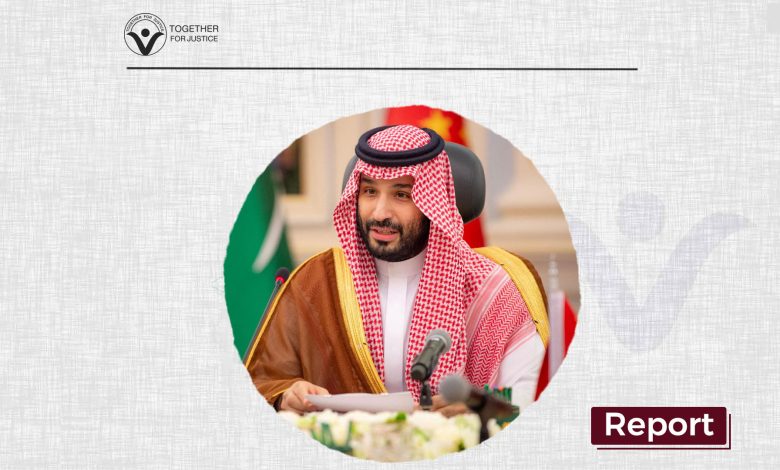
Saudi Arabia has failed once again to secure a seat on the United Nations Human Rights Council following the vote on Wednesday, October 9, 2024. With only 117 votes, the kingdom faced defeat, marking its second unsuccessful attempt in four years to join the council.
Saudi Arabia’s defeat in its latest bid to join the United Nations Human Rights Council represents a significant setback for the kingdom’s international image and the extensive efforts it has made to reshape its reputation under Crown Prince Mohammed bin Salman’s Vision 2030. Rights groups and activists have consistently raised concerns over Saudi Arabia’s long record of human rights abuses, arguing that its inclusion on the council would undermine the body’s core mission to uphold human rights globally.
Despite billions spent on transforming its image from a nation known for stringent laws and rights violations to a hub of tourism and entertainment, Saudi Arabia remains under scrutiny for severe human rights abuses. A notable example includes allegations that Saudi border guards killed hundreds of Ethiopian migrants attempting to cross from Yemen between 2022 and 2023—acts that Human Rights Watch and others suggest may constitute crimes against humanity. Additionally, the Saudi government has yet to fully account for the 2018 murder of journalist Jamal Khashoggi, an incident that provoked global outrage and cast a shadow over Saudi Arabia’s standing in the international community.
During the vote for the council seats, the Asia-Pacific group, to which Saudi Arabia belongs, was the only competitive group, with six candidates vying for five seats. Ultimately, Saudi Arabia received 117 votes, falling just short of securing a position. Rights organizations were vocal about their opposition to the kingdom’s candidacy, asserting that allowing Saudi Arabia onto the council would deliver a severe blow to its legitimacy and betray the council’s mandate to protect victims of human rights violations.
One prominent voice among critics, Louis Charbonneau, UN director at Human Rights Watch, argued that countries responsible for alleged atrocities or impunity for grave rights violations are fundamentally unfit to serve on a council that champions justice and accountability. Saudi Arabia’s track record, including allegations of systematic border abuses and suppression of dissent within its own borders, stands in stark contrast to the principles that the Human Rights Council is meant to uphold.
In a move that alarmed activists earlier this year, Saudi Arabia was appointed to chair a UN commission dedicated to promoting gender equality and empowering women globally, despite its well-documented record of restrictive policies toward women. This appointment, combined with its bid for a seat on the Human Rights Council, has led many to question the United Nations’ commitment to safeguarding human rights standards.
Although the Human Rights Council itself lacks legally binding authority, it holds significant influence in spotlighting abuses and initiating investigations that can serve as a foundation for war crimes prosecutions. The council’s mission, established in 2006 to replace a discredited human rights commission, faces ongoing challenges as countries with poor rights records seek seats, often using their positions to shield themselves and allies from scrutiny.
Saudi Arabia’s defeat in this election underscores the growing international awareness and concern about the nation’s human rights record, as well as the continuing influence of rights organizations. The new members, including countries like Colombia, Kenya, and Iceland, will begin their terms in 2025, with hopes that the council remains a strong advocate for the protection and promotion of human rights.
The spotlight remains on Saudi Arabia, and international human rights groups are expected to continue their work exposing abuses and holding the kingdom accountable. While Saudi Arabia may have failed in its bid for a council seat, the global community’s scrutiny is more intense than ever, with calls for justice and transparency only growing louder.