Sultan Al-Ajmi: Five Years of Enforced Disappearance for Mourning Abdullah Al-Hamed

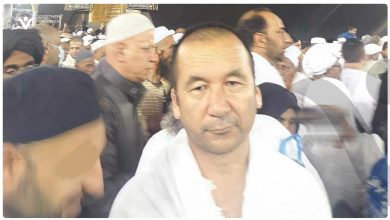
Together for Justice renews its grave concern over the continued disappearance of Saudi human rights lawyer Sultan Al-Ajmi, who has been missing for more than five years following his arbitrary arrest in 2020. His case has become emblematic of a broader pattern in which peaceful expression is criminalized and enforced disappearance is used as a method of silencing independent voices.
Al-Ajmi’s arrest came shortly after the death in detention of prominent reform advocate Abdullah Al-Hamed, widely regarded as one of the Kingdom’s leading constitutional reform figures. After Al-Hamed suffered a stroke inside Al-Ha’ir prison and died amid allegations of deliberate medical neglect, many Saudis expressed grief and paid tribute to his legacy. Among them was Sultan Al-Ajmi, who posted a message of condolence on his personal account. That simple act of mourning became the basis for his detention.
In the early days of Ramadan 2020, Saudi authorities launched a sweeping campaign targeting individuals who had publicly mourned Al-Hamed or expressed sympathy. Sultan Al-Ajmi was arrested alongside other intellectuals and writers. Since that moment, the authorities have maintained total silence regarding his whereabouts, legal status, and condition of detention. He has not been presented before a publicly known court, nor has he been allowed to communicate with his family or legal counsel.
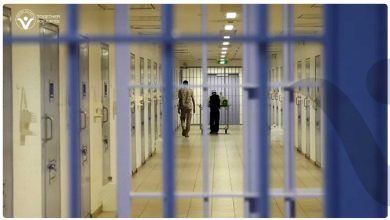
This prolonged secrecy transforms the arrest into a case of enforced disappearance. The defining element is not only detention, but the state’s refusal to acknowledge the individual’s location or provide legal transparency. By removing Al-Ajmi from public and judicial visibility, the authorities have effectively placed him outside the protection of the law.
Credible reports indicate that Sultan Al-Ajmi’s health has significantly deteriorated due to harsh detention conditions and denial of adequate medical care. Despite repeated appeals from rights organizations, the Saudi authorities continue to withhold information. Such sustained concealment heightens the risk of ill-treatment and reinforces a climate of impunity.
The case reveals a troubling dynamic: peaceful expression—particularly when it honors reformist figures—can be reframed as a threat to national security. A lawyer exercising his fundamental right to express grief is treated not as a citizen engaging in lawful speech, but as an adversary to be neutralized. This approach reflects a broader environment in which independent civic activity is perceived as destabilizing rather than constructive.
Together for Justice affirms that Sultan Al-Ajmi’s continued disappearance constitutes a serious violation of international human rights standards, including the rights to liberty, due process, and protection from arbitrary detention. Enforced disappearance is not a one-time act; it is a continuing violation that persists for as long as the state refuses to disclose the person’s fate or whereabouts.
Together for Justice calls for the immediate and unconditional disclosure of Sultan Al-Ajmi’s location, full access to his family and legal representation, and independent medical evaluation. If charges exist, they must be presented transparently before an independent and impartial court that meets international fair trial standards. In the absence of such lawful proceedings, he must be released without delay.
After more than five years of silence, the question is no longer limited to the fate of one lawyer. It concerns whether peaceful words in Saudi Arabia can result in disappearance, and whether secrecy will continue to replace accountability. Until answers are provided, Sultan Al-Ajmi’s case will remain a stark reminder that enforced disappearance has become a tool of governance rather than an aberration.