347 Executions in One Year: Saudi Arabia’s Deadliest Year Yet, With Perpetrators Still Untouched
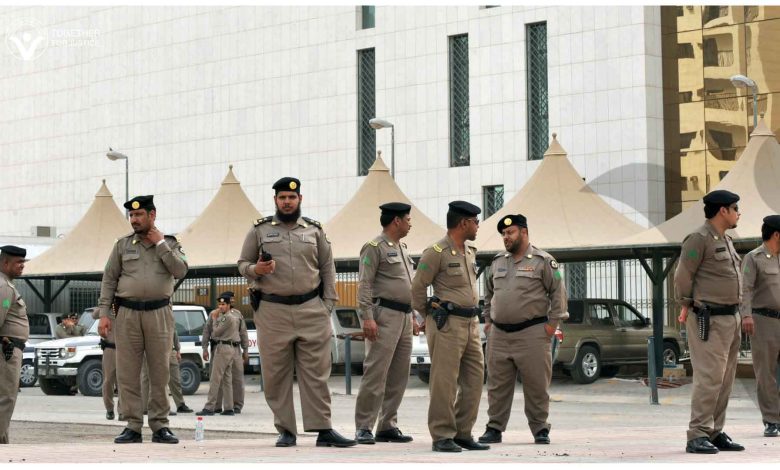
Saudi Arabia is witnessing an unprecedented escalation in the use of the death penalty, marking a grave deterioration in the country’s human rights record amid alarming international silence and a deliberate disregard for fundamental legal and humanitarian standards. The number of executions carried out over the past year has surpassed all previously recorded figures, making it the deadliest year since monitoring of executions in the kingdom began, according to documentation by international human rights organizations.
Available data, conducted by Reprieve, indicate that Saudi authorities carried out at least 347 executions in a single year, an unprecedented figure that confirms the death penalty has become a political and security tool used on a wide scale rather than a narrowly applied legal exception. The vast majority of those executed were convicted of non-lethal offences, primarily drug-related charges, in clear violation of the United Nations’ position that the death penalty for such crimes is wholly incompatible with international human rights law.
The facts further reveal that more than half of those executed were foreign nationals, reflecting a dangerous and discriminatory pattern in the application of capital punishment. This raises serious concerns regarding the absence of legal safeguards, denial of effective legal representation and consular access, and the extraction of confessions under torture—a practice repeatedly described as systemic and deeply entrenched within Saudi Arabia’s criminal justice system.
Among those executed during this period were journalist Turki Al-Jasser, individuals who were minors at the time of their alleged offences, women, and people from marginalized social groups. These cases demonstrate that the machinery of execution does not distinguish between segments of society, and that capital punishment is being used to instill fear and deliver collective deterrence messages rather than to serve justice.
The execution of journalist Turki Al-Jasser stands out as a particularly flagrant example of the use of capital punishment to silence freedom of expression. He was executed following a trial that lacked fundamental guarantees of fairness and was based on charges linked to his writings. International bodies condemned his execution as a direct attack on press freedom and a warning to anyone engaged in independent journalism or expression.
Executions were also carried out against individuals convicted in connection with peaceful protests or political activities, including Abdullah Al-Derazi and Jalal Al-Labbad, both of whom were minors at the time of their arrest. They were sentenced to death following trials described as grossly unfair and reliant on torture-tainted confessions, despite prior calls by UN experts for their release.
Testimonies from families of those sentenced to death describe an atmosphere of ongoing psychological terror. Families are not notified in advance of execution dates, bodies are not returned, and burial locations are not disclosed—constituting severe violations of family rights and basic humanitarian standards. Prisoners are also reportedly forced to witness fellow detainees being taken to execution, scenes that amount to collective psychological torture.
Together for Justice considers this lethal escalation clear evidence that Saudi authorities are carrying out executions in a climate of total impunity, enabled by the absence of meaningful political or diplomatic consequences. At the same time, international entertainment and sporting events continue to mask these grave violations and promote a false image of “openness” and reform.
The organization stresses that Saudi authorities’ claims of protecting human rights or restricting the death penalty to “the most serious crimes” are fundamentally contradicted by documented realities, including mass executions for drug offences, freedom of expression cases, and peaceful protest-related charges, alongside systemic torture, lack of transparency, and denial of fair trials.
Accordingly, Together for Justice calls for the following:
- An immediate moratorium on all executions in Saudi Arabia, with a view to full abolition of the death penalty.
- Independent international investigations into execution cases involving allegations of torture and unfair trials.
- Full disclosure of execution data, including victims’ names, charges, trial procedures, and burial locations.
- Guaranteeing the right to defense, effective legal representation, consular access for foreign nationals, and prior notification of families.
- Accountability for all those responsible for torture, forced confessions, and executions carried out in violation of international standards.
The continuation of this policy constitutes not only a crime against victims and their families, but also a serious threat to the global human rights system. It represents a real test of the international community’s commitment to confronting arbitrary executions when they are carried out by a politically and economically protected state.