Eight Years Since Khaled Al-Omair’s Arrest: A Saudi Activist Punished for Filing a Complaint Over Torture

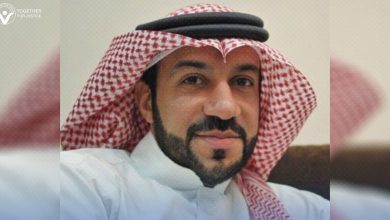
Together for Justice reminds the international community of the case of Saudi human rights activist Khaled Al-Omair, who is marking eight years behind bars since his re-arrest in June 2018. He was not detained for committing a crime, but after exercising what should be a basic and protected right for any victim: filing an official complaint with the Royal Court over torture and ill-treatment he had reportedly suffered during a previous detention.
Instead of opening an independent investigation into the violations he reported, Saudi authorities arrested him again. His case has since become one of the clearest examples of how the Saudi system treats victims who seek accountability: the abuser is protected, while the person demanding justice is punished.
Al-Omair’s case goes back years before his 2018 re-arrest. He had long been known for peaceful activism and reformist views, including calls for a more just constitutional order and public positions in support of Palestinian rights. These positions fall squarely within the right to freedom of opinion and expression, yet they were enough to place him under the scrutiny of Saudi security authorities.
During a previous detention, Al-Omair reported being subjected to torture and ill-treatment. After his release, he chose to pursue the formal legal route by submitting a complaint to the Royal Court, requesting an investigation and accountability for those responsible. But the complaint did not lead to redress. It led to renewed imprisonment.
In 2021, he was sentenced to prison, before the sentence was later increased to nine years in proceedings that raised serious concerns over transparency and basic fair trial guarantees. The case against him was rooted in his peaceful activism, reformist opinions, and attempt to seek accountability for torture, showing how the judiciary was used to punish the victim rather than protect him.
Khaled Al-Omair’s case exposes a dangerous pattern in Saudi Arabia. Repression does not only target activists and independent voices; it also targets those who attempt to use official channels to report violations. When filing a complaint about torture becomes grounds for arrest, the very idea of justice collapses, and state institutions become tools for shielding perpetrators instead of protecting victims.
Together for Justice stresses that Al-Omair’s continued imprisonment eight years after his re-arrest constitutes a grave violation of his right to liberty and security, his right to freedom of expression, and his right to an effective remedy. Punishing him after he reported torture sends a chilling message to other victims in Saudi Arabia: silence is the only safe option, and seeking accountability may turn the victim into the accused.
The case is made even more serious by the absence of independent and effective mechanisms to investigate torture and ill-treatment in Saudi prisons. In politically sensitive cases involving prisoners of conscience, the courts continue to be used to legitimize retaliation and prolong detention rather than provide justice. Instead of protecting victims and preventing future abuses, the authorities use legal procedures to break those who demand accountability.
From a legal perspective, Al-Omair’s detention over peaceful activism and his subsequent punishment after filing a formal complaint about torture constitute arbitrary detention and a violation of Saudi Arabia’s obligations to prohibit torture and protect individuals from retaliation for reporting abuse. Any trial based on peaceful human rights work or lawful expression cannot be considered fair; it forms part of a broader system of repression.
Together for Justice holds the Saudi authorities fully responsible for Khaled Al-Omair’s physical and psychological safety. The organization calls for his immediate and unconditional release, the annulment of the sentence against him, and an independent and transparent investigation into the torture and ill-treatment he reported.
The organization also urges the United Nations, including the Special Rapporteurs on torture, arbitrary detention, and freedom of opinion and expression, to act on Al-Omair’s case and pressure Saudi authorities to end the practice of punishing victims and whistleblowers who report abuses.
Eight years after Khaled Al-Omair’s arrest, his case is no longer only the story of a prisoner of conscience. It is evidence of a system in which seeking justice is criminalized, and a complaint about torture can become an unspoken charge. Releasing him and investigating the violations he reported are not only humanitarian demands; they are a fundamental test of any claim that Saudi Arabia respects reform, accountability, or the rule of law.