Mohammed Saleh Al-Munajjid: Nine Years of Detention and Medical Neglect in Saudi Prisons
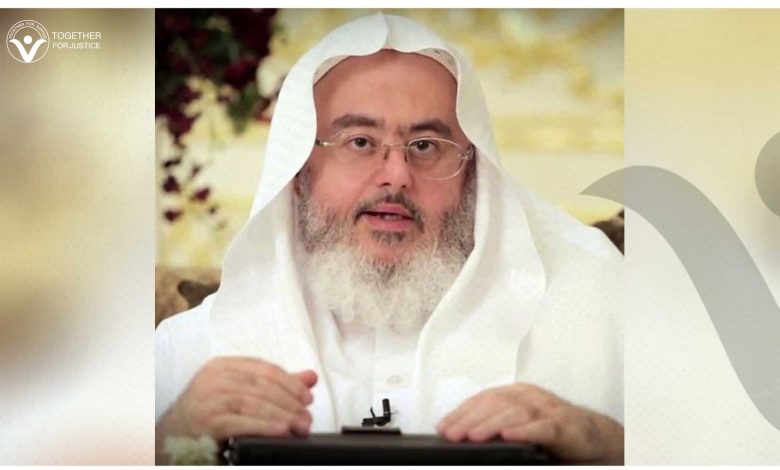
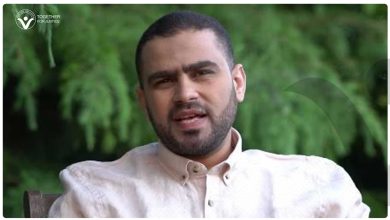
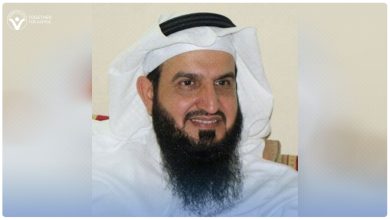
Together for Justice renews its call for the immediate and unconditional release of Sheikh Mohammed Saleh Al-Munajjid, the Saudi Islamic preacher and thinker detained since September 2017 as part of a wide crackdown on preachers, academics, intellectuals, and independent voices in Saudi Arabia. Serious concerns remain over his deteriorating health, prolonged medical neglect, and the lack of a transparent judicial process.
Nine years after his arrest, Al-Munajjid’s case is no longer only a case of prolonged detention. It has become a clear example of how prisoners of conscience in Saudi Arabia are worn down over time: held for years in harsh conditions, denied adequate legal guarantees, and left to face gradual physical and psychological deterioration in the absence of accountability.
Al-Munajjid was arrested during the September 2017 crackdown, which targeted religious, intellectual, and reformist figures whose influence existed outside the official line. His case has not been presented to the public through a clear and transparent judicial process, and insufficient information has been disclosed about the charges or proceedings against him.
Human rights organizations have reported that Al-Munajjid has faced serious violations since his arrest, including denial of basic legal guarantees, harsh detention conditions, and deliberate medical neglect despite suffering from chronic illnesses, including diabetes. Reports on the September crackdown also indicate that several detainees, including Al-Munajjid, were subjected to repeated solitary confinement, particularly during the early months of detention.
Denying adequate medical care to a sick detainee cannot be treated as a minor administrative failure. It is a serious violation of the right to life, physical integrity, and humane treatment. A state that detains a person assumes direct responsibility for their health and must ensure access to treatment, medication, examinations, food, and appropriate medical follow-up, especially where chronic conditions are involved.
Together for Justice stresses that Al-Munajjid’s continued detention under these circumstances amounts to arbitrary detention, particularly given the absence of fair trial guarantees and legal transparency. If confirmed, the continued denial of adequate medical care may also amount to cruel or inhuman treatment, especially when it results in the gradual deterioration of a detainee’s health
His case reflects a wider pattern in Saudi Arabia’s treatment of prisoners of conscience. Punishment is not limited to the deprivation of liberty; it extends to physical and psychological exhaustion through isolation, restricted communication, medical neglect, and years of uncertainty surrounding the detainee’s legal status.
Sheikh Al-Munajjid was not known for violence or criminal incitement. He was known for his religious, intellectual, and educational presence. Yet he was imprisoned as part of a campaign that targeted independent and influential voices outside state control, exposing the use of detention as a tool to reshape Saudi Arabia’s religious and intellectual public space by force.
Together for Justice holds the Saudi authorities fully responsible for Sheikh Mohammed Saleh Al-Munajjid’s life and physical and psychological safety. The organization calls for the immediate disclosure of his health and legal status, regular and unrestricted access to his family and lawyer, and urgent independent medical care.
The organization further calls for his immediate and unconditional release, an independent investigation into the conditions of his detention and the medical neglect or ill-treatment he has reportedly suffered, and accountability for all those involved in denying him his basic rights.
After nine years of detention, the continued imprisonment of Sheikh Mohammed Saleh Al-Munajjid is not merely an individual violation. It is evidence of a systematic policy that slowly drains prisoners of conscience inside Saudi prisons. Real justice begins with ending his detention, ensuring medical care, and restoring the dignity of those pushed into illness and isolation for having an independent voice.