Wael Ishaq: From a Nubian Commemoration of the October War to Years in Saudi Prison
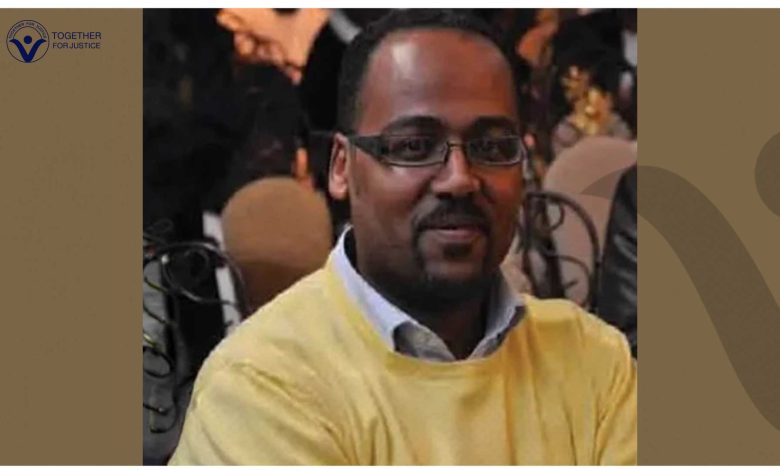
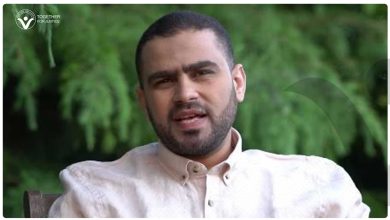
Together for Justice condemns the continued detention of Egyptian Nubian citizen Wael Ahmed Hassan Ishaq in Saudi Arabia since 14 July 2020, in a case targeting ten Egyptian Nubian men over peaceful cultural activity linked to commemorating the October 1973 war. His continued imprisonment after years of detention and an unfair trial constitutes a serious violation of his rights to liberty, expression, and peaceful assembly.
Wael Ahmed Hassan Ishaq is an Egyptian citizen, a long-time resident of Saudi Arabia, and an active member of Nubian community associations in the country. According to ALQST, he remains in prison and was arrested as part of a group of Egyptian Nubian men involved in civil and cultural Nubian associations in Saudi Arabia.
The case dates back to October 2019, when Saudi authorities targeted members of the Egyptian Nubian community over a peaceful cultural event they had planned to commemorate the October 1973 war. Despite the peaceful and cultural nature of the activity, the case was turned into a security file, and the ten men were re-arrested in July 2020 by Saudi security authorities.
Wael Ishaq’s case was not linked to violence or any genuine security threat. It arose from lawful community and cultural activity. He and the other detainees faced charges including establishing an unlicensed association and posting on social media, before the case was escalated before the Specialized Criminal Court, a court repeatedly used by Saudi authorities in cases involving peaceful expression and activism.
Amnesty International reported that after their re-arrest in July 2020, the ten men were held incommunicado, without access to lawyers or relatives, for the first two months of detention. Their trial was also marked by serious violations, including restrictions on the right to defence and reliance on confessions allegedly extracted under coercion.
In October 2022, the Specialized Criminal Court handed down harsh prison sentences against the ten Egyptian Nubian men, ranging from 10 to 18 years, over peaceful cultural activity. Later, on 6 September 2025, the court reduced the sentences of eight of the ten men during a surprise hearing, but did not order their immediate and unconditional release.
In Wael Ahmed Hassan Ishaq’s case specifically, ALQST reported that the court reduced his sentence from 10 years to 7 years on 6 September 2025, but he remains detained. The reduction did not end his suffering, nor did it address the core violation: his imprisonment for exercising his rights to expression, cultural identity, and peaceful assembly.
The continued detention of Wael Ishaq shows how cultural identity and community activity can be criminalized in Saudi Arabia. The Egyptian Nubian detainees did not engage in violence, call for violence, or threaten public security. They sought to organize a peaceful cultural event reflecting their memory, identity, and national belonging.
Together for Justice stresses that criminalizing peaceful cultural activity is a direct violation of the rights to freedom of expression, peaceful assembly, and association. The case also raises serious concerns about discrimination against a historically marginalized cultural and ethnic community. Amnesty International has noted that Nubians are an ethnic minority in Egypt and Sudan who have historically faced marginalization and discrimination based on their cultural, ethnic, and linguistic identity.
The human cost of this case must not be ignored. Years of imprisonment have not only deprived Wael and the others of their liberty, but also separated them from their families and community, turning a simple cultural activity into prolonged suffering inside Saudi prisons.
Together for Justice calls on Saudi authorities to immediately and unconditionally release Wael Ahmed Hassan Ishaq and all Egyptian Nubians detained in the same case, quash the sentences issued against them, and ensure full access to their families and lawyers pending release.
The organization also calls for an independent investigation into the circumstances of their arrest, disappearance, and trial, including allegations of coercion and ill-treatment, and for accountability for the violations they suffered.
Wael Ahmed Hassan Ishaq’s case captures a broader injustice: Egyptian Nubian men punished for attempting to mark a peaceful national and cultural occasion. More than six years after his re-arrest, the question remains: what crime keeps Wael Ishaq behind bars?