Saudi Arabia Detains Yahya al-Wadai Six Years Beyond His Sentence
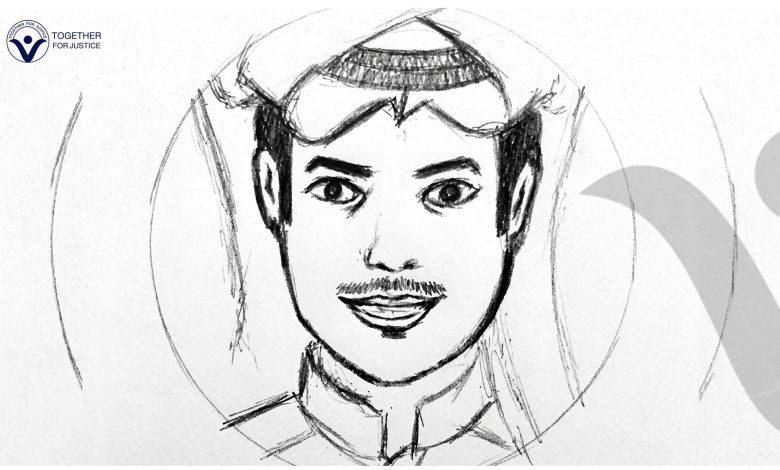
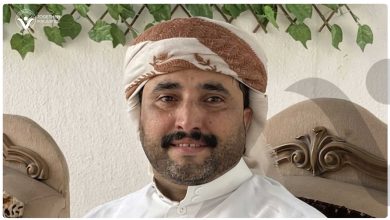
Saudi authorities continue to detain young activist Yahya al-Wadai even though he completed his prison sentence more than six years ago. His continued imprisonment represents a flagrant violation of his right to liberty and has effectively transformed a fixed-term sentence into open-ended detention without a publicly disclosed judicial basis.
Al-Wadai was arrested in early 2013 over his peaceful activity on Twitter, where he called for the release of prisoners of conscience and engaged with public human rights issues. According to the information available about his case, his activity involved neither violence nor incitement. It consisted of peaceful expression and solidarity with people detained for exercising their fundamental rights.
Nevertheless, the authorities treated this legitimate activism as a security threat. Al-Wadai was arrested and subjected to judicial proceedings that lacked transparency and essential fair-trial guarantees. Available human rights reporting indicates that his case was referred to the Specialised Criminal Court, where counterterrorism and cybercrime legislation has repeatedly been used against activists, human rights defenders and peaceful government critics.
More than six years of detention beyond his sentence
Al-Wadai should have regained his freedom more than six years ago, upon completing the sentence imposed on him. Instead, the authorities have continued to hold him without announcing a new judgment or providing a clear legal justification for his ongoing detention.
He has consequently spent more than 13 years behind bars since his arrest, including over six years beyond the completion of his sentence. These additional years cannot be considered part of a judicial penalty. They constitute an ongoing deprivation of liberty outside the temporal limits of the sentence issued against him.
Once a prisoner completes their sentence, the legal basis for detention expires. No security or administrative authority may secretly or indefinitely extend a term of imprisonment outside a lawful judicial process and without respecting the detainee’s rights of defence.
Al-Wadai is therefore being subjected, in practice, to a second punishment—one that was never imposed by a court and which he has had no meaningful opportunity to challenge.
His case also shows that the Saudi authorities are failing to respect even the judgments delivered by their own courts. When a person serves their sentence in full but remains imprisoned for years afterward, the judicially determined release date becomes meaningless and freedom is reduced from an enforceable right to a discretionary security decision.
Punished for peaceful solidarity
The central injustice in Yahya al-Wadai’s case is that his arrest was connected to his peaceful exercise of freedom of expression and his calls for the release of prisoners of conscience. Such conduct is protected under fundamental human rights principles and must never be treated as a security offence or used to justify imprisonment.
Criminalising calls for the rights and release of detainees targets more than the individual speaker. It sends an intimidating message to society as a whole: speaking about political prisoners may lead to arrest, and showing solidarity with them may cause a person to become a prisoner themselves.
Al-Wadai’s continued imprisonment after the completion of his sentence appears to reinforce that punitive message. The authorities did not merely imprison him over peaceful posts and opinions; they have kept him behind bars for more than six additional years through an arbitrary measure that cannot be justified by any legitimate security consideration.
Part of a wider pattern
Yahya al-Wadai’s case cannot be separated from a broader pattern in Saudi Arabia involving delayed releases, arbitrary restrictions and, in some instances, renewed prosecutions of prisoners of conscience who have completed their sentences.
This practice turns imprisonment into a means of removing peaceful critics for an indefinite period. It also traps detainees and their relatives in permanent uncertainty, as the completion of a sentence no longer guarantees release and families cannot know when, or whether, their loved ones will return home.
The human consequences are severe. Al-Wadai has been deprived of more than a decade of his life, separated from his family and denied opportunities relating to his work, personal life and future. His relatives have endured years of suffering without receiving a convincing legal explanation for his continued imprisonment.
Every additional day he spends in prison after completing his sentence aggravates the violation and increases the responsibility of the authorities that ordered, implemented or permitted his continued detention.
A clear violation of human rights standards
The Universal Declaration of Human Rights prohibits arbitrary arrest and detention and protects the rights to liberty, personal security, freedom of opinion and expression, and a fair hearing. Basic principles of the rule of law also require the immediate release of anyone whose judicially authorised term of detention has expired.
Saudi authorities cannot justify imprisoning a person beyond the completion of their sentence simply by withholding information about their legal status. They must disclose which authority ordered his continued detention, identify the purported legal basis for that decision, allow him regular and confidential access to his family and lawyer, and enable him to challenge the legality of his detention before an independent court.
The Saudi authorities bear full responsibility for Yahya al-Wadai’s physical and psychological safety and for the harm inflicted upon him and his family during these additional years of imprisonment.
Urgent demands
Together for Justice calls on the Saudi authorities to release Yahya al-Wadai immediately and unconditionally, as he completed his sentence years ago, and to lift any retaliatory restrictions imposed because of his peaceful expression.
We further call on the authorities to:
Disclose his current legal status and the purported basis for holding him beyond the end of his sentence.
Guarantee regular and safe communication with his family and legal counsel, as well as access to adequate healthcare.
Establish an independent investigation into his continued detention and hold those responsible accountable.
Provide him with adequate reparation for the unlawful loss of his liberty and the resulting material and psychological harm.
End the use of the Specialised Criminal Court and counterterrorism and cybercrime laws to punish peaceful expression and human rights advocacy.
Release all prisoners of conscience, including those who remain arbitrarily detained after completing their sentences.
We also urge the United Nations, governments maintaining relations with Saudi Arabia and international human rights organisations to raise al-Wadai’s case directly and publicly. General expressions of concern are insufficient when a person has remained imprisoned for more than six years beyond the end of his sentence.
The question in Yahya al-Wadai’s case is no longer when his sentence will end. It ended more than six years ago. The question is how the Saudi authorities can continue imprisoning a person for years without a valid and publicly disclosed judgment authorising his detention.
Every new day Yahya al-Wadai spends behind bars constitutes a further violation. He must be released and his unlawfully denied freedom restored without further delay.