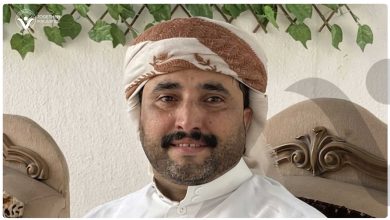
Manasour Al-Raqeebah: A Victim of Saudi Arabia’s Crackdown on Free Speech

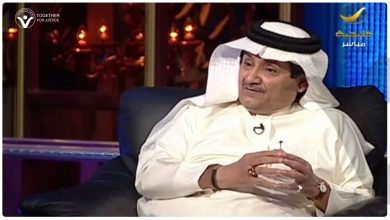
In 2022, Saudi businessman and social media influencer Manasour Al-Raqeebah found himself entangled in a dire situation that highlights the severe repercussions faced by those who dare to speak out against the Saudi regime. Arrested on charges of spreading false news and criticizing Vision 2030 and Crown Prince Mohammed bin Salman, Al-Raqeebah was initially sentenced to 18 years in prison. However, following an appeal, this sentence was shockingly extended to 27 years, all stemming from comments made during a private conversation that were reported by an attendee.
Al-Raqeebah’s case is emblematic of the broader crackdown on free speech and dissent in Saudi Arabia. His severe punishment underscores the lengths to which the Saudi government will go to silence critics and maintain a tight grip on power. This crackdown extends beyond mere imprisonment; it permeates the treatment of prisoners within the Saudi penal system.
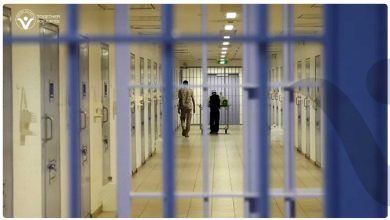
Since his imprisonment, Al-Raqeebah’s health has taken a dramatic turn for the worse. He suffers from severe kidney failure, diabetes, and frequent depressive episodes. Despite his critical health condition, prison authorities have grossly neglected his medical needs, exacerbating his ailments and highlighting the severe human rights violations within the Saudi prison system. The lack of adequate healthcare for political prisoners like Al-Raqeebah is a stark reminder of the grim realities faced by those who dare to dissent.
The international community, including the United Nations and various human rights groups, is urged to pressure the Saudi government to release Manasour Al-Raqeebah and ensure he receives necessary medical treatment. His case demands increased scrutiny of Saudi Arabia’s human rights record and more robust international advocacy to protect the rights of activists and political prisoners.
Manasour Al-Raqeebah’s continued imprisonment and deteriorating health conditions serve as stark reminders of ongoing human rights abuses in Saudi Arabia. His story underscores the urgent need for international intervention to prevent further injustice and protect fundamental human rights. The global community must act to ensure that individuals like Al-Raqeebah are not forgotten and that their rights are upheld. Only through persistent international pressure can the plight of political prisoners in Saudi Arabia be alleviated, and the broader fight for freedom of expression be advanced.