Sultan Al-Ajmi: More Than Six Years of Enforced Disappearance After Mourning Abdullah Al-Hamid
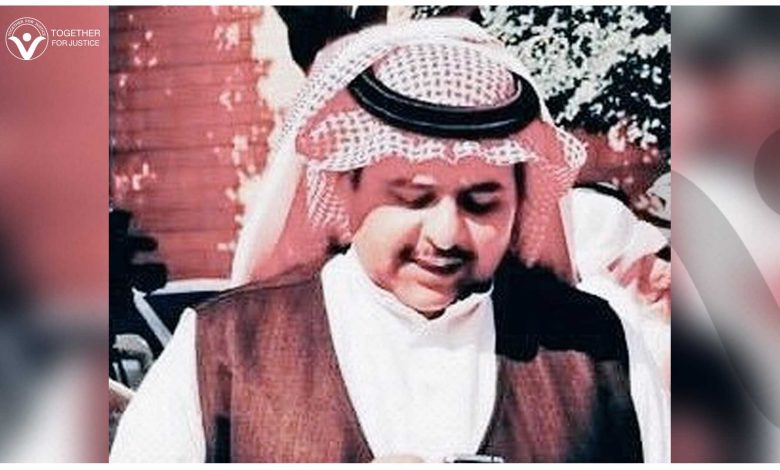
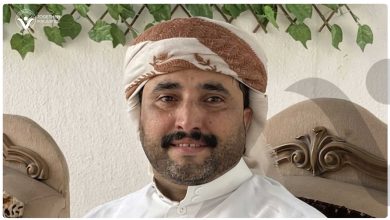
Together for Justice recalls the case of Saudi lawyer and human rights advocate Sultan Al-Ajmi, who was arrested in April 2020 after posting a tribute to Dr. Abdullah Al-Hamid following his death in prison. Since his arrest, all news about Al-Ajmi has been completely cut off, with no official disclosure of his whereabouts, health condition, or legal status.
More than six years later, Al-Ajmi’s case can no longer be treated as ordinary arbitrary detention. It has become a clear example of the use of enforced disappearance as a tool to silence human rights voices in Saudi Arabia. He was detained for a peaceful human expression of grief, not for calling for violence, incitement, or committing any recognizable criminal act.
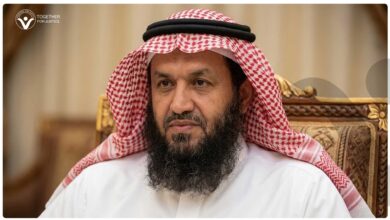
The case began after the death of Dr. Abdullah Al-Hamid, one of Saudi Arabia’s most prominent reformist and human rights figures, who died in prison following serious health deterioration amid widespread human rights concerns over medical neglect and detention conditions. At a time when many expressed sorrow over his death, Sultan Al-Ajmi posted words of mourning. Those words were then turned into a reason for his arrest and disappearance.
Turning a tribute into grounds for detention exposes the severity of the repressive environment in Saudi Arabia. People are not only targeted for political opposition; they can also be punished for showing human sympathy toward prisoners of conscience or expressing solidarity with victims of violations. Even grief becomes dangerous when it preserves the memory of a reformist figure the authorities would rather erase from public life.
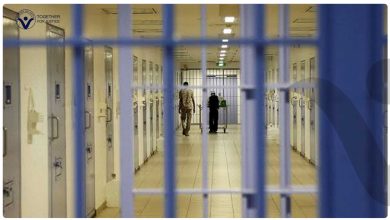
Since his arrest, Saudi authorities have not disclosed the charges against Sultan Al-Ajmi, announced any clear legal proceedings, or confirmed that he has been allowed contact with his family or legal counsel. This total information blackout places his case within the framework of ongoing enforced disappearance and raises serious concerns about his physical and psychological safety.
Together for Justice stresses that enforced disappearance is not merely the absence of information. It is a compound violation that removes the victim from the protection of the law, denies the family the right to know the truth, and creates conditions in which torture, ill-treatment, and coerced confessions may occur away from independent oversight.
Human rights information has also raised concerns about the possible deterioration of Al-Ajmi’s health under harsh detention conditions and without adequate medical care. In the absence of official disclosure, Saudi authorities bear full responsibility for his life, safety, and any harm he may have suffered during the years of disappearance.
Al-Ajmi’s case exposes a cruel contradiction in Saudi Arabia: while the authorities promote an image of reform and openness abroad, they continue to persecute lawyers, human rights defenders, and opinion-holders at home over a tweet, a tribute, or an act of human solidarity. A lawyer who should be recognized as a legal voice defending rights is instead treated as a threat to be isolated and silenced.
From a legal perspective, the continued disappearance of Sultan Al-Ajmi violates his right to liberty and security of person, his right to contact his family and lawyer, his right to a fair and public trial, and his right to protection from torture and cruel or inhuman treatment. Any future legal proceedings against him cannot be considered legitimate if they follow years of disappearance and denial of basic safeguards.
Together for Justice calls on the Saudi authorities to immediately disclose Sultan Al-Ajmi’s place of detention, clarify his health and legal status, allow his family and lawyer to contact him without restriction, and guarantee his access to necessary medical care.
The organization also calls for his immediate and unconditional release unless clear, lawful, and internationally recognized charges are publicly presented, as well as an independent investigation into the circumstances of his arrest and disappearance, and accountability for all those involved in denying him his basic rights.
After more than six years of silence, the question remains urgent: where is Sultan Al-Ajmi? And why has a Saudi lawyer been disappeared over words of mourning? The continuation of this case without truth or accountability shows that the Saudi authorities are not only punishing speech; they are punishing memory, solidarity, and every voice that refuses to forget the victims of repression.