Saudi Arabia Must Reveal the Fate of Hamdullah Abdulwali and Nur Muhammed Rozi and Stop Their Deportation to China
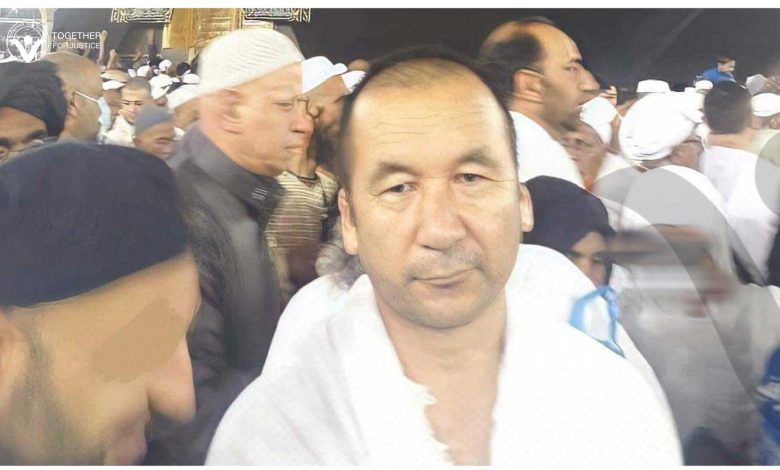
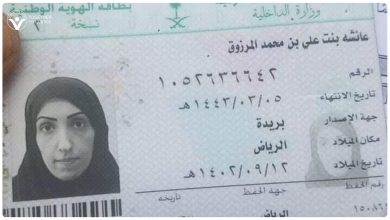
Hamdullah Abdulwali and Nur Muhammed Rozi, two Uyghur men who travelled to Saudi Arabia for religious purposes, have faced an unknown fate since Saudi police arrested them on 20 November 2020. Nearly six years later, the authorities have not publicly disclosed a lawful basis for their detention, announced formal charges, or brought them before a court offering basic guarantees of due process.
Their case involves more than prolonged arbitrary detention. In January 2022, a Saudi official reportedly told Rozi to prepare for deportation to China. Such a transfer would expose both men to a grave risk of arbitrary imprisonment, torture, enforced disappearance, and persecution because of their Uyghur identity and religious background.
A pilgrimage ending in detention
Abdulwali and Rozi had been residing in Türkiye before travelling to Saudi Arabia in 2020. Abdulwali entered the Kingdom in February to perform Umrah but was unable to return as expected after pandemic-related travel restrictions were introduced.
On the evening of 20 November 2020, Saudi police arrested the two men at a house in the Al-Masfalah area of Mecca. They were taken to a police station for interrogation and later transferred to Dhahban Prison near Jeddah.
Human Rights Watch, Amnesty International, and UN experts have said that the men were not informed of any formal charges or provided with evidence justifying their continued detention. Nor were they promptly brought before an independent judicial authority capable of reviewing the legality of their imprisonment.
Rights groups believe their arrest may have followed a Chinese extradition request and that Beijing may be seeking their return on terrorism-related or political grounds. Saudi Arabia, however, has never publicly presented a criminal case against either man. Unexamined allegations originating from China cannot be treated as proven facts, much less used to justify indefinite detention or a transfer carrying a foreseeable risk of torture.
Threatened with deportation and then disappeared
On 3 January 2022, a Saudi official reportedly told Nur Muhammed Rozi that he should be “mentally prepared” to be deported to China within days. On 16 March, the two men were moved from Jeddah to Riyadh, prompting fears that their extradition was imminent.
They were returned to Jeddah four days later. After informing relatives of that transfer, all contact with the outside world ceased. MENA Rights Group continues to list both men as disappeared and states that their fate and whereabouts remain unknown. The available public record therefore does not establish where they are currently being held or provide independent confirmation of their physical condition.
This prolonged uncertainty is itself a serious abuse. Incommunicado detention places detainees outside the protection of the law and creates conditions in which torture and other ill-treatment can occur. When authorities refuse to acknowledge a person’s detention or conceal their fate or whereabouts, the deprivation of liberty may amount to enforced disappearance.
UN experts urged Saudi Arabia to allow the men immediate contact with their families, establish their fate and whereabouts, and conduct an individual, impartial, and independent assessment of the risks they would face in China. They stressed that the prohibition of refoulement is absolute and cannot be bypassed through an extradition agreement or diplomatic assurances.
Deportation to China could mean torture and disappearance
The danger awaiting Abdulwali and Rozi is neither remote nor speculative. The United Nations and international human rights organisations have documented a widespread campaign against Uyghurs and other predominantly Muslim Turkic communities in Xinjiang. Reported abuses include mass arbitrary detention, torture, enforced disappearance, pervasive surveillance, political indoctrination, forced labour, sexual violence, and severe restrictions on religion, culture, language, and movement.
Ordinary religious practices, foreign travel, contact with people abroad, and participation in an unauthorised pilgrimage have all been treated as grounds for suspicion or detention. The UN human rights office concluded that the abuses committed in Xinjiang may constitute crimes against humanity.
Abdulwali faces an especially acute personal risk. He was previously detained in Xinjiang in 2013 over an allegation involving an employee and was later released. He subsequently said that he had been tortured in custody, including through electric shocks and being forced to stand on ice wearing little clothing for hours. Returning him to the same state apparatus—after years abroad and sustained international attention to his case—could expose him to renewed torture and retaliation.
Rozi likewise faces a serious individual threat. His Uyghur identity, former residence abroad, religious travel, and contacts within the diaspora could all be used against him in a system that treats independent religious observance and foreign connections as indicators of disloyalty or extremism.
Saudi Arabia cannot evade responsibility
Saudi Arabia has been a party to the UN Convention against Torture since 1997. Article 3 prohibits states from expelling, returning, or extraditing a person to another country when substantial grounds exist for believing that they would be in danger of torture.
This obligation does not depend upon formal refugee status and allows no political, security, or diplomatic exception. Given the documented pattern of abuse in Xinjiang and the individual profiles of the two men, deporting them to China would constitute a clear breach of the principle of non-refoulement.
The case is even more troubling in the context of deepening relations between Riyadh and Beijing. Saudi Arabia supported joint statements defending China’s policies in Xinjiang at the United Nations in 2019 and 2020. During a 2019 visit to China, Crown Prince Mohammed bin Salman also appeared to endorse Beijing’s purported counterterrorism and “de-extremism” policies.
Those ties must not become a channel for transnational repression. If Saudi Arabia hands Abdulwali and Rozi over to China despite the known danger, it will not merely be carrying out an immigration measure. It will be directly enabling a state apparatus accused of crimes against humanity.
Such a transfer would also betray Saudi Arabia’s claimed responsibility as the custodian of Islam’s holiest sites. Muslims must be able to perform Umrah without fearing that a pilgrimage could end in secret detention and surrender to a government that persecutes members of their community for their ethnic and religious identity.
Together for Justice calls on the Saudi authorities to:
- Disclose immediately the fate, location, legal status, and medical condition of Hamdullah Abdulwali and Nur Muhammed Rozi.
- Allow them regular access to their families and lawyers of their choosing, as well as independent monitoring of their detention conditions.
- Release them immediately and unconditionally unless they are promptly charged with recognisable criminal offences and tried before an independent court in proceedings meeting international fair-trial standards.
- Cancel any order or procedure intended to extradite, deport, or otherwise transfer them to China.
- Permit their safe return to Türkiye, where they previously resided, or their transfer to another genuinely safe country.
- Investigate their arrest and prolonged incommunicado detention and hold accountable anyone responsible for violations committed against them.
We also call on the Turkish government, the United Nations, the Organisation of Islamic Cooperation, and governments with influence in Riyadh to intervene urgently to prevent their refoulement and end the secrecy surrounding their fate.
Hamdullah Abdulwali and Nur Muhammed Rozi entered Saudi Arabia for religious purposes. They must not be made to disappear in its prisons or used as bargaining pieces in its relationship with Beijing. Saudi Arabia must choose between honouring its legal and humanitarian obligations and allowing itself to become an overseas arm of China’s machinery of repression.