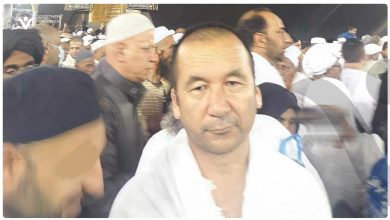
Abdulaziz Al-Sunaidi: Saudi Rights Activist Still Detained More Than Three Years After Completing His Sentence

Together for Justice condemns the continued detention of Saudi human rights activist Abdulaziz Al-Sunaidi, who has been imprisoned since February 2015 over tweets expressing solidarity with detainees from the Saudi Civil and Political Rights Association, known as HASM or ACPRA, despite having completed his prison sentence more than three years ago.
Al-Sunaidi’s case is a clear example of one of the most serious practices used against prisoners of conscience in Saudi Arabia: keeping detainees behind bars after they have served their sentences, without legal basis, official explanation, or even respect for the limits of the court judgment issued against them.
Abdulaziz Al-Sunaidi was arrested over peaceful online expression and his support for HASM detainees, who had called for political reform, civil rights, and accountability for abuses. His tweets did not involve violence, incitement, or any recognizable criminal act. They reflected solidarity with prisoners of conscience and a peaceful defence of basic rights.
He was sentenced to eight years in prison, followed by a travel ban of the same duration, and a fine of 50,000 Saudi riyals. Although his prison term ended more than three years ago, Saudi authorities continue to refuse his release, turning his current detention into an additional, undeclared punishment outside any clear legal framework.
Holding a person after the completion of a prison sentence shows that the case was never truly about law enforcement. It was about politically punishing a rights activist for his views. Even the unjust sentence issued over peaceful tweets has not been respected by the authorities, who have kept him imprisoned as if punishment in opinion cases has no end date.
Together for Justice stresses that Al-Sunaidi’s continued detention after completing his sentence is a flagrant violation of his right to liberty and security of person and constitutes arbitrary detention. The additional travel ban and financial fine imposed over peaceful human rights activity further show the authorities’ intention to continue punishing him even after his supposed release.
Al-Sunaidi’s case cannot be separated from the wider pattern of prisoners of conscience in Saudi Arabia who remain detained despite completing their sentences. This pattern demonstrates that imprisonment in opinion-related cases does not necessarily end when a sentence expires; it remains subject to political and security decisions that override any judicial process.
His case also reflects the continued criminalization of human rights solidarity in Saudi Arabia. Instead of treating calls for the release of prisoners of conscience as legitimate expression, the authorities turn them into charges. Instead of allowing peaceful criticism, they use imprisonment, fines, and travel bans to silence rights-based voices.
Together for Justice holds the Saudi authorities fully responsible for Abdulaziz Al-Sunaidi’s physical and psychological safety. The organization calls for the immediate disclosure of his current legal status and a public explanation for his continued detention despite the completion of his sentence.
Together for Justice further calls for his immediate and unconditional release, the cancellation of all punitive restrictions imposed on him, including the travel ban and fine, and fair compensation for the period of unlawful detention he has endured after completing his sentence.
The organization also calls for the release of all prisoners of conscience in Saudi Arabia who have completed their sentences, and for an end to the policy of open-ended detention that leaves detainees hostage to security decisions even after their prison terms have expired.
Abdulaziz Al-Sunaidi was not imprisoned for a violent crime. He was imprisoned over tweets of solidarity with prisoners of conscience. More than three years after completing his sentence, his continued detention shows that injustice in Saudi Arabia does not end with an unfair verdict; it continues when the prison doors remain closed after the sentence itself has expired.