Author: Publisher2026

  • Saudi Authorities Schedule New Trial for Women’s Rights Activists Salma Al-Shehab and Noura Al-Qahtani Without Legal Representation

    Saudi Authorities Schedule New Trial for Women’s Rights Activists Salma Al-Shehab and Noura Al-Qahtani Without Legal Representation

    Together for Justice calls for immediate intervention as Saudi Arabia intensifies its crackdown on free expression.

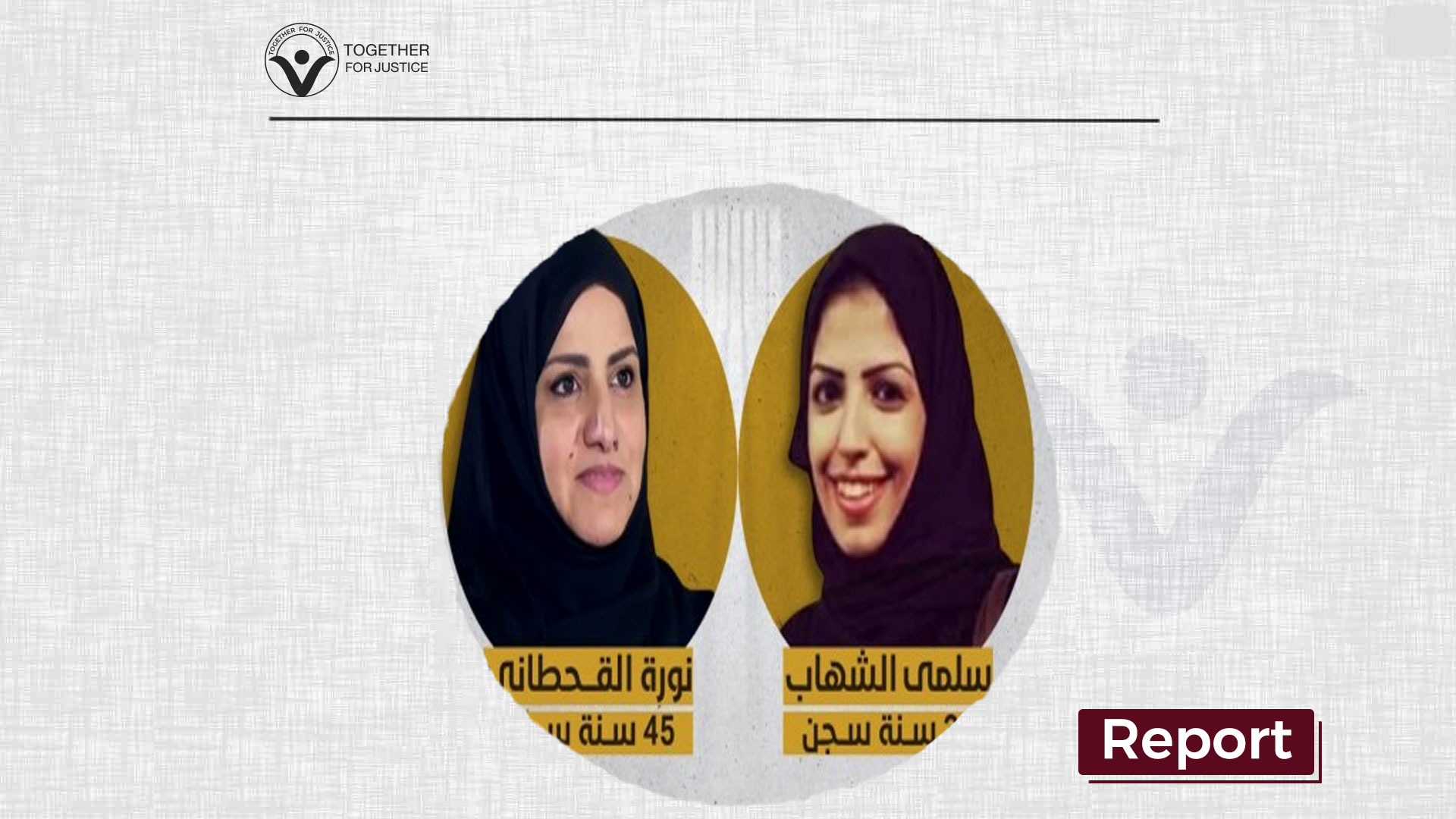
    In a troubling new development, reports have confirmed that a new trial session for Saudi prisoners of conscience, Salma Al-Shehab and Noura Al-Qahtani, has been scheduled for Wednesday at 8 a.m.. Details of the new charges or case remain unclear, and both women are being denied their fundamental right to legal representation. This ongoing violation of their rights is yet another example of the systemic repression of free speech in Saudi Arabia.

    Lack of Legal Representation and Ongoing Repression

    Salma Al-Shehab and Noura Al-Qahtani have already been sentenced to long prison terms for expressing their opinions peacefully on social media—Salma is serving a 27-year sentence, while Noura faces 45 years. Both women have endured secret trials without legal defense, making this new court hearing even more concerning. The denial of legal representation violates international legal standards and further demonstrates the Saudi government’s disregard for basic human rights.

    The timing of Salma and Noura’s convictions, just weeks after U.S. President Joe Biden’s visit to Saudi Arabia, underscores the Saudi government’s sense of impunity. Biden, who had promised to hold Saudi Arabia accountable for its human rights violations, appeared to reverse his stance following the trip, prioritizing economic interests over the rights of Saudi citizens.

    International Calls for Release Ignored

    In July 2023, the United Nations issued a report calling for the immediate release of Salma and Noura, highlighting their unjust imprisonment, poor treatment, and denial of rights. However, Saudi authorities have consistently rejected these calls and have denied all allegations of human rights abuses, falsely claiming that their judicial processes are fair.

    The upcoming trial could result in additional unjust charges or harsher treatment, adding to the years of suffering these women have already endured. With the Saudi government’s history of targeting women’s rights advocates, intellectuals, and reformists, the international community must act now to prevent further abuses.

    Call for International Action

    Together for Justice strongly condemns the continued persecution of Salma Al-Shehab and Noura Al-Qahtani. We urge the international community, human rights organizations, and governments to intervene and demand their immediate release. The denial of legal representation and the secretive nature of their trials violate their fundamental human rights and international legal standards.

    Salma and Noura’s cases are emblematic of the broader repression in Saudi Arabia, where expressing an opinion can lead to decades in prison. We call on the international community to pressure Saudi authorities to release these women and all prisoners of conscience.

    The international community must halt all forms of cooperation with the Saudi regime until it demonstrates a genuine commitment to improving human rights, ensuring the fair treatment of detainees, and respecting free speech. The cases of Salma Al-Shehab and Noura Al-Qahtani are just the beginning—many more prisoners of conscience remain detained in Saudi Arabia’s prisons, their stories hidden due to the regime’s tight control over information.

    Together for Justice calls for immediate and unconditional intervention to ensure the protection of human rights in Saudi Arabia.

    The fight for justice, dignity, and freedom for all continues.

  • Saudi Scholar Dr. Mohammad Musa Al-Sharif Faces Prolonged Imprisonment Amid Secret Trials and Medical Neglect

    Saudi Scholar Dr. Mohammad Musa Al-Sharif Faces Prolonged Imprisonment Amid Secret Trials and Medical Neglect

    Together for Justice calls for his immediate release and an end to arbitrary detentions in Saudi Arabia.

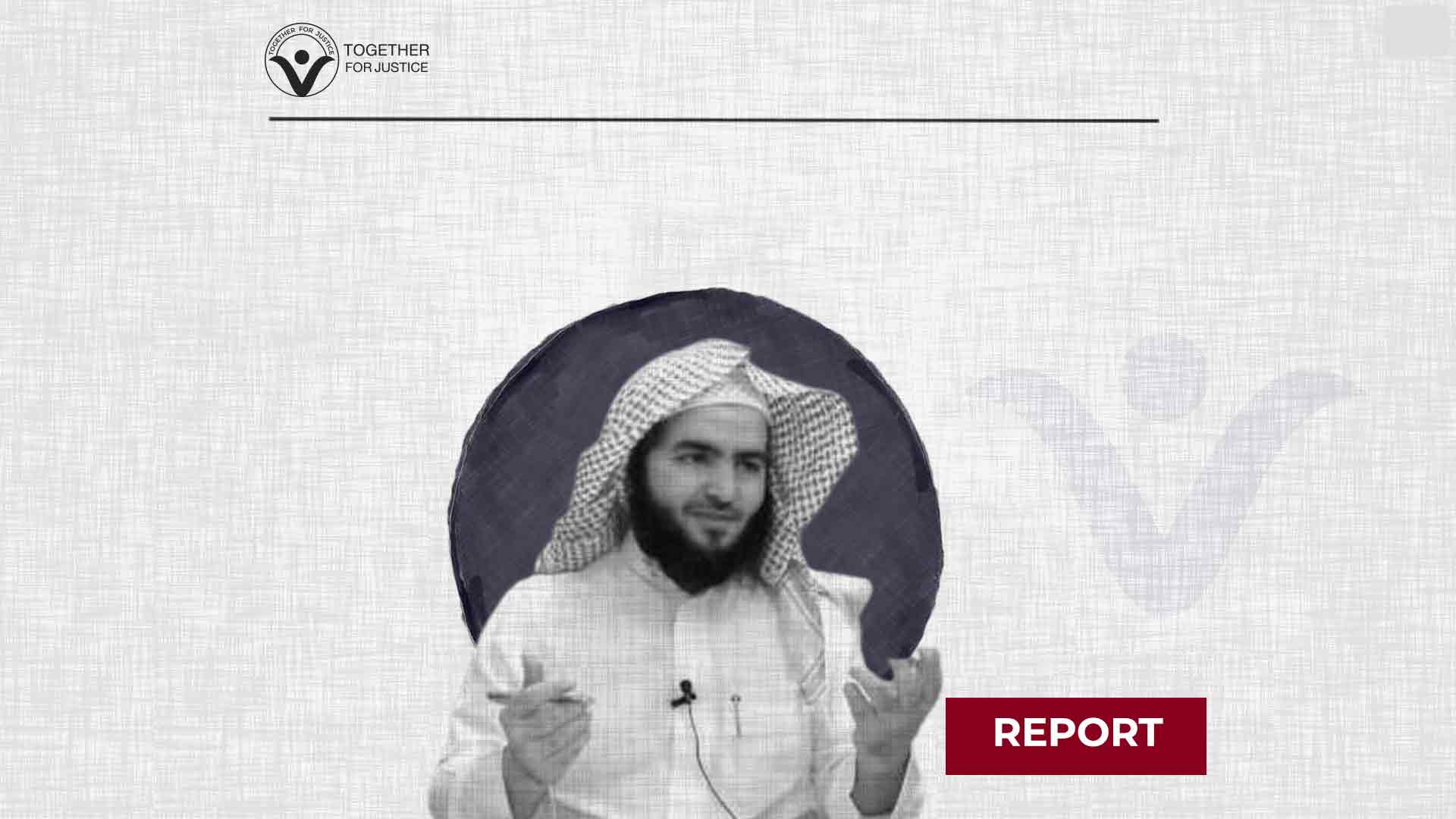
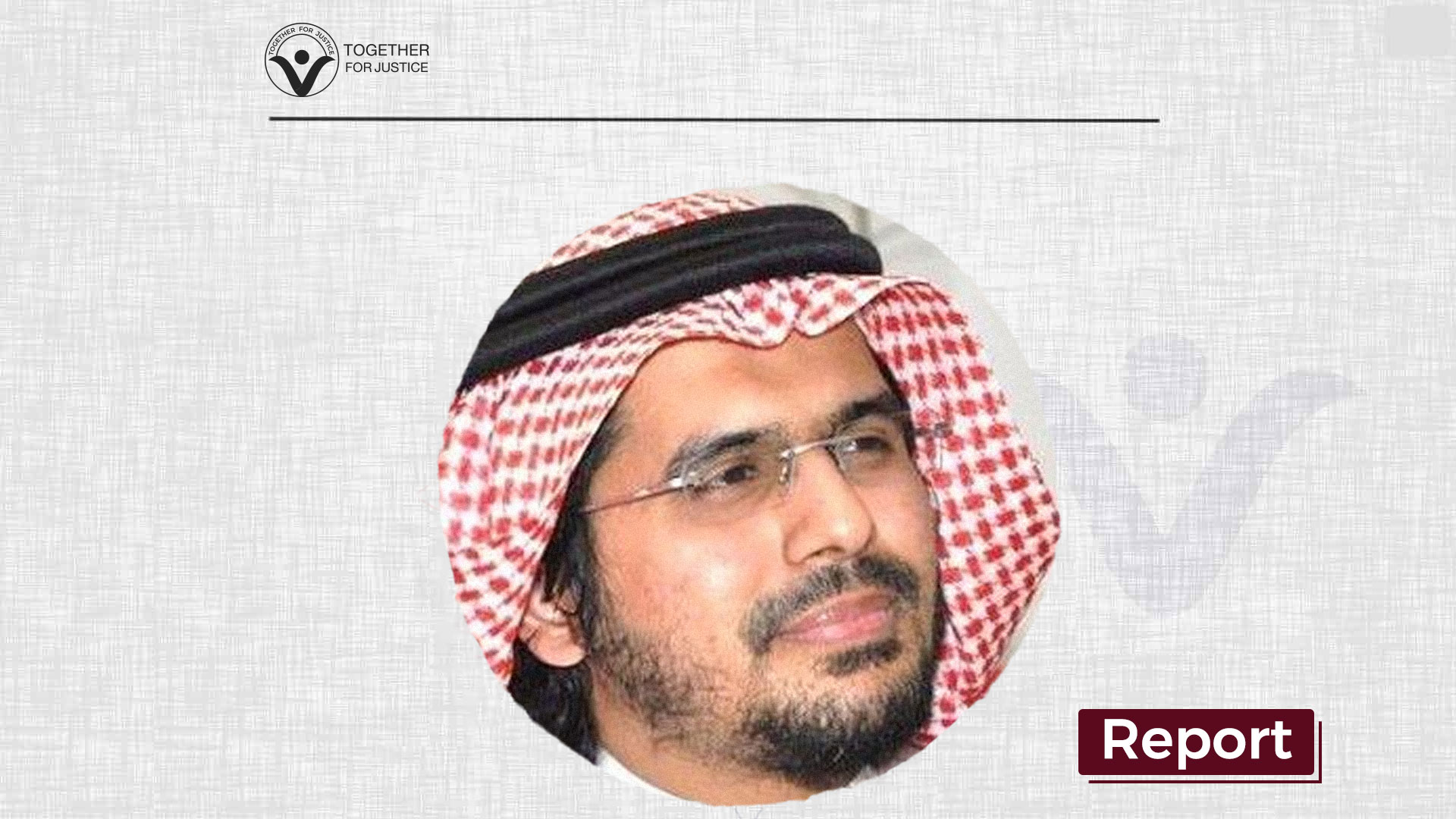
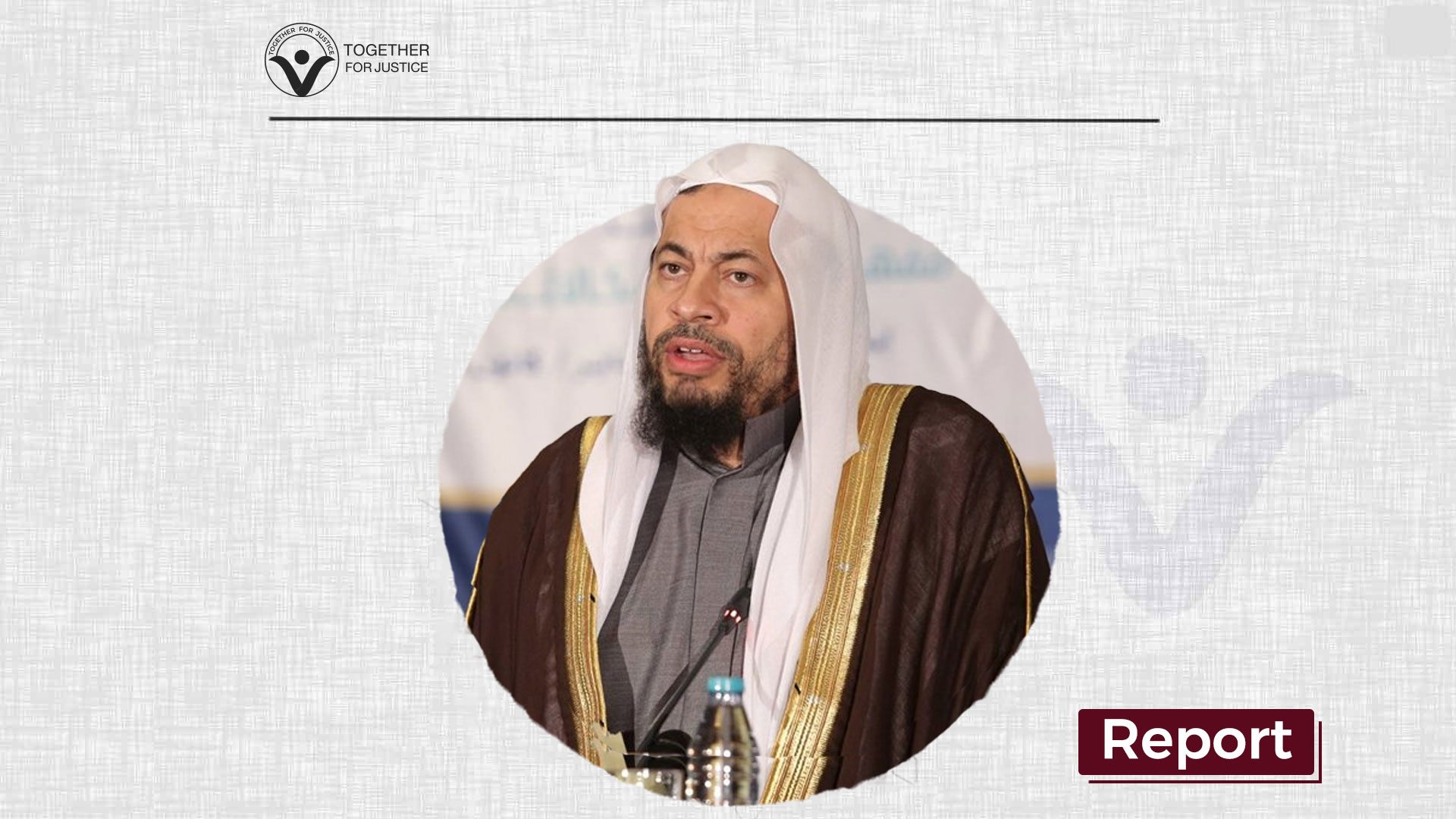
    In a stark example of Saudi Arabia’s ongoing crackdown on intellectuals, academics, and peaceful dissidents, Dr. Mohammad Musa Al-Sharif, a well-known Islamic scholar, preacher, and former pilot, remains imprisoned under harsh conditions. His sentence, initially set at five years, was shockingly increased to 13 years by the Saudi Court of Appeal in January 2023, following a secretive and unjust trial process.
    Dr. Al-Sharif’s arrest took place in September 2017, as part of a sweeping campaign targeting hundreds of clerics, journalists, and intellectuals. The wave of arrests came shortly after Crown Prince Mohammed bin Salman rose to power, marking a period of intensified repression against individuals who advocated for reform, expressed independent views, or engaged in humanitarian work.

    The Saudi Specialized Criminal Court charged Dr. Al-Sharif with over 20 accusations, including the broad and vague charge of “destabilizing the security of the kingdom.” He was also accused of “participating in relief efforts inside and outside the country,” a humanitarian activity that should be celebrated, not criminalized. These charges reflect the troubling trend in Saudi Arabia of using counterterrorism laws to silence peaceful voices under the guise of national security.

    Secret Trials and Health Deterioration
    Dr. Al-Sharif’s trials were conducted in secrecy, with no transparency or fair judicial procedures, depriving him of his fundamental rights to due process. Reports from those who have seen him during court hearings indicate that his health has deteriorated significantly. His face is often described as pale and marked by signs of exhaustion and illness, raising serious concerns about his well-being. Observers have noted that the academic is subjected to medical neglect, a common tactic used by Saudi authorities to pressure detainees.

    The deliberate disregard for Dr. Al-Sharif’s health, along with his prolonged arbitrary detention, constitutes a severe violation of international human rights law. The United Nations and numerous human rights organizations have repeatedly condemned Saudi Arabia’s use of secretive trials, unlawful detentions, and denial of basic rights to prisoners of conscience. Yet, the kingdom continues its repressive measures with little accountability from the international community.

    A Scholar with a Legacy of Service
    Dr. Mohammad Musa Al-Sharif is more than just a detainee; he is a scholar who has contributed significantly to Islamic studies, history, literature, and social thought. As a university professor and author, he has written extensively on topics such as Islamic teachings, the Prophet’s biography, and Arab history. His books and lectures have inspired millions of people across the Arab world, earning him a reputation as a moderate voice for Islamic education and social responsibility.

    Beyond academia, Dr. Al-Sharif was actively involved in humanitarian efforts. His relief work, both within Saudi Arabia and abroad, showcased his commitment to helping those in need—an act now unjustly used as evidence of wrongdoing by the Saudi regime.

    A Call for International Pressure
    Together for Justice strongly condemns the continued imprisonment of Dr. Mohammad Musa Al-Sharif and the extension of his sentence. We call on the Saudi government to release him immediately and drop the baseless charges against him. His detention is part of a broader pattern of repression against intellectuals, clerics, and reformists in the kingdom, where dissent is punished with imprisonment and, in many cases, death.

    The international community must not remain silent in the face of such grave violations of human rights. We urge world leaders, human rights organizations, and the UN to apply pressure on Saudi Arabia to end its policy of arbitrary detention, ensure fair trials, and provide proper medical care to detainees like Dr. Al-Sharif. The protection of fundamental human rights must take precedence over geopolitical and economic interests.

    As Saudi Arabia continues its attempts to reshape its image through high-profile international events and investments, the world must not forget those who languish in its prisons for speaking out or simply living according to their conscience. Dr. Al-Sharif’s case highlights the severe consequences of the kingdom’s authoritarian crackdown on freedom of expression and humanitarian work. Together for Justice stands with him and all those who have been unjustly detained.

    Together for Justice calls for the immediate and unconditional release of Dr. Mohammad Musa Al-Sharif and an end to the arbitrary detention of peaceful scholars and activists in Saudi Arabia.

  • Sheikh Awad Al-Qarni: Facing Execution for Social Media Posts in Saudi Arabia’s Repressive Regime

    Sheikh Awad Al-Qarni: Facing Execution for Social Media Posts in Saudi Arabia’s Repressive Regime

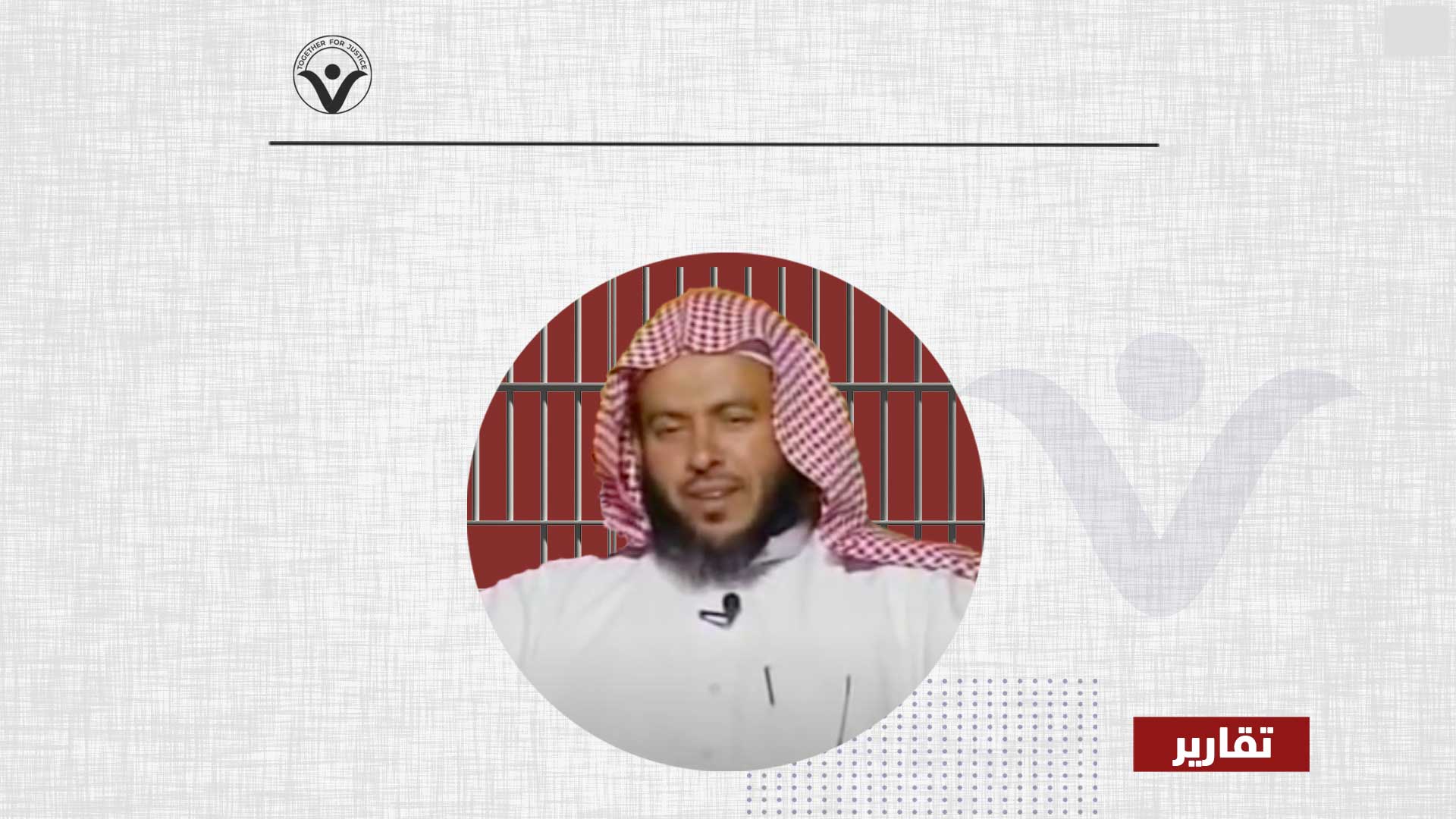
    In 2017, Saudi cleric and law professor Sheikh Awad Al-Qarni was arrested during a wave of mass detentions ordered by Crown Prince Mohammed bin Salman. The crackdown, which targeted intellectuals, clerics, human rights advocates, and anyone critical of the Saudi regime, was part of the Crown Prince’s broader effort to consolidate power and stifle dissent. Among the accusations leveled against Al-Qarni are activities that, in most countries, would be protected under free speech laws: managing a Twitter account, participating in WhatsApp conversations, and sharing political opinions that the Saudi government deemed hostile.

    The Charges Against Sheikh Awad Al-Qarni

    The charges that Sheikh Awad Al-Qarni faces are directly related to his social media use and private conversations. According to documents shared by his son, Nasser Al-Qarni, with British media outlets, including The Guardian, Sheikh Al-Qarni is accused of “opposing the kingdom” by using social media to express views critical of Saudi policies. He stands accused of:

    Managing a Twitter account under his real name, where he shared opinions deemed critical of the Saudi government.

    Using WhatsApp to participate in private conversations where he shared videos praising the Muslim Brotherhood, an organization that Saudi Arabia classifies as a terrorist group.

    Owning a Telegram account, also allegedly used to share anti-government messages.

    These seemingly innocuous actions—tweeting, chatting, and sharing videos—are the basis of the charges that could lead to Sheikh Awad Al-Qarni’s execution. The Saudi Public Prosecutor is calling for the death penalty, claiming that his social media use and private communications amount to a form of rebellion against the state.

    Confession Under Duress

    Sheikh Al-Qarni’s so-called confession, obtained under questionable circumstances, reveals the flimsy basis of the charges against him. The documents indicate that Al-Qarni admitted to using Twitter and WhatsApp to share his views, but it’s unclear whether this confession was coerced or made voluntarily. Given the Saudi regime’s track record of using torture and pressure tactics during interrogations, there are serious concerns about the legitimacy of these admissions.

    Nasser Al-Qarni, who fled Saudi Arabia due to threats against his own life, has been outspoken about his father’s case, using international media to shed light on the abuses taking place in the kingdom. According to Nasser, the charges are politically motivated, designed to silence his father and intimidate others who might dare to express critical views.

    The Broader Crackdown on Social Media Users

    Sheikh Awad Al-Qarni’s case is far from unique. In recent years, Saudi Arabia has escalated its crackdown on social media users, activists, and even ordinary citizens who use platforms like Twitter, WhatsApp, and Telegram to express their opinions. The regime treats online dissent as a serious threat to its authority, punishing those who engage in it with lengthy prison sentences or, in extreme cases like Al-Qarni’s, death.

    One of the most notable recent cases is that of Salma Al-Shehab, a PhD student at Leeds University and mother of two, who was sentenced to 34 years in prison for her Twitter activity. Al-Shehab’s crime? Following and retweeting posts from Saudi dissidents and activists. Similarly, Noura Al-Qahtani received a 45-year prison sentence for social media use that was deemed critical of the government.

    These cases illustrate the Saudi regime’s zero-tolerance policy toward free speech. In a country where dissent is equated with treason, simply tweeting a critical opinion or sharing a video can result in life-altering consequences. For many, it can mean years in prison, or worse, a death sentence.

    The Politicization of Saudi Courts

    Sheikh Awad Al-Qarni’s case also highlights the highly politicized nature of Saudi Arabia’s judicial system. Since Crown Prince Mohammed bin Salman rose to power, the country’s courts have been used as tools to legitimize the regime’s crackdown on dissent. Trials, particularly for political prisoners, are often held in secret, with defendants denied access to legal representation or the ability to defend themselves properly.

    In Al-Qarni’s case, as with many others, the charges are vague and overreaching. The government accuses him of “opposing the kingdom,” a charge that encompasses a broad range of actions and opinions, including peaceful criticism. By framing dissent as a threat to national security, the Saudi regime justifies extreme measures, including the death penalty, against those who simply exercise their right to free speech.

    Moreover, Saudi Arabia’s use of anti-terrorism laws to prosecute individuals like Al-Qarni and Al-Shehab is part of a broader strategy to silence any form of opposition. These laws are often applied arbitrarily, allowing the government to equate peaceful activism with terrorism. This conflation of legitimate dissent with violent extremism undermines the basic principles of justice and fairness.

    International Outcry and the Call for Justice

    The case of Sheikh Awad Al-Qarni has garnered significant attention from international human rights organizations, which have condemned the Saudi government’s actions. Amnesty International, Human Rights Watch, and other groups have called for the immediate release of Al-Qarni and other prisoners of conscience in Saudi Arabia. These organizations have also highlighted the regime’s pattern of using social media activity as a pretext for harsh punishments, including execution.

    The international community has a critical role to play in holding the Saudi government accountable for its human rights abuses. Governments, particularly those with close ties to Saudi Arabia, such as the United States and the United Kingdom, must pressure the kingdom to respect freedom of speech and ensure that political prisoners like Al-Qarni receive fair trials.

    Furthermore, global social media platforms like Twitter, WhatsApp, and Telegram must recognize their responsibility in protecting users’ rights to free expression. These platforms, while providing a space for discussion and activism, can also be used by authoritarian regimes to track and punish dissenters. Social media companies should work to ensure that their platforms are not weaponized by oppressive governments.

    The Need for Action

    Sheikh Awad Al-Qarni’s case is a stark reminder of the dangers faced by those who dare to speak out against the Saudi regime. His potential execution for simply using social media highlights the extent to which freedom of expression is under assault in Saudi Arabia. As long as the international community remains silent, the Saudi government will continue to use its judiciary as a weapon against its own people.

    It is crucial that human rights organizations, governments, and civil society groups continue to apply pressure on Saudi Arabia to end its persecution of dissenters. Sheikh Awad Al-Qarni, like many others, deserves the right to express his opinions without fear of imprisonment or execution.

    The world must act now, before it is too late for those who have already suffered at the hands of the Saudi regime.

  • Exposing Violations in Saudi Arabia’s Neom Project: The Missing Workers and the Grim Reality of Human Rights Abuses

    Exposing Violations in Saudi Arabia’s Neom Project: The Missing Workers and the Grim Reality of Human Rights Abuses

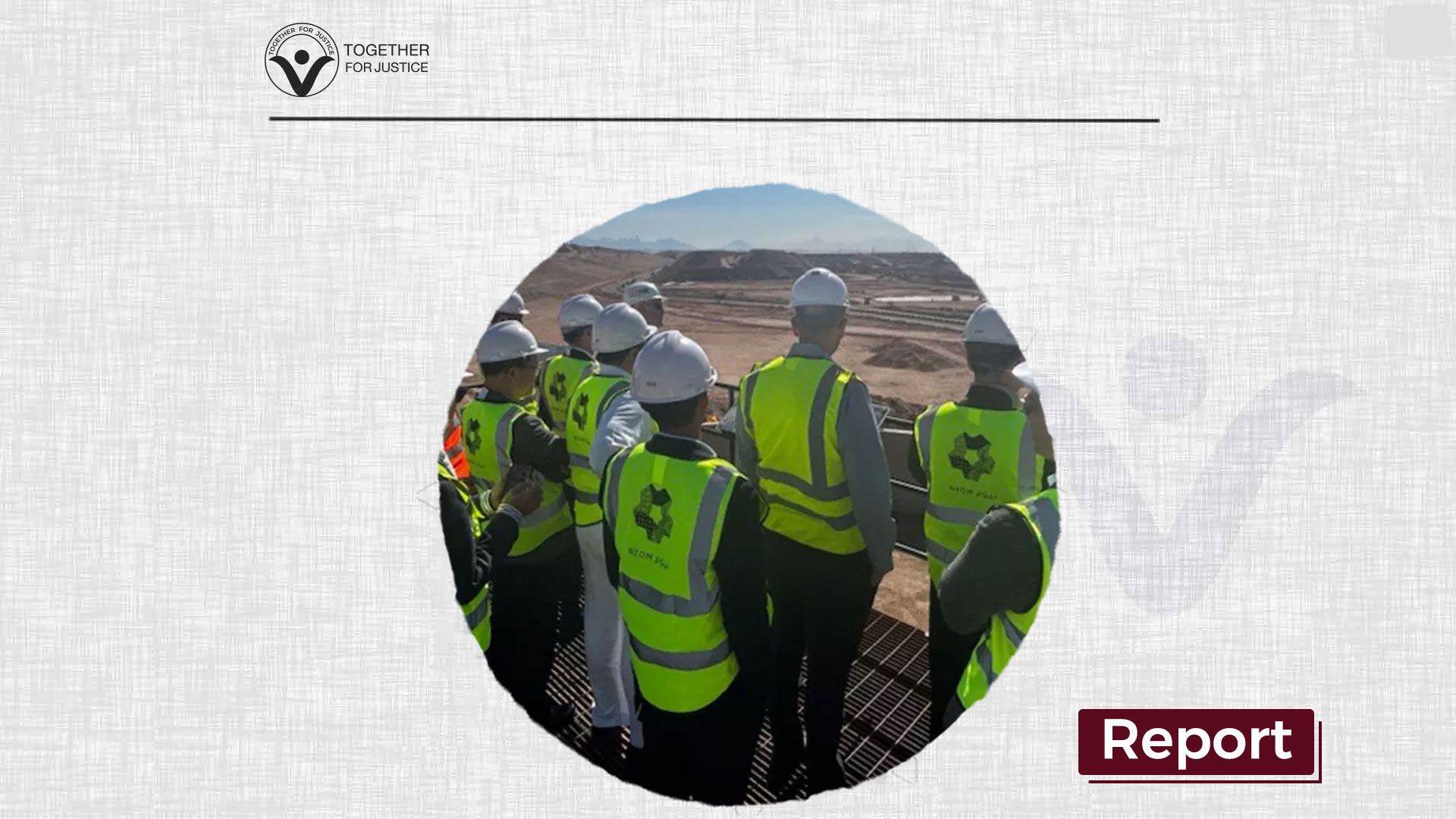
    Saudi Arabia’s Neom project, a cornerstone of Crown Prince Mohammed bin Salman’s Vision 2030, has been promoted as a bold vision of the future. However, behind the shimmering façade of futuristic cities and state-of-the-art technology lies a dark undercurrent of human rights violations and mistreatment of workers. Recent investigations have shed light on the dire situations many migrant workers face while constructing the project, as well as the ethical and financial mismanagement that threatens to overshadow its ambitious goals.

    The Dire Situation of Workers in Saudi Arabia’s Neom Project
    Saudi Arabia has long relied on migrant workers to fuel its large-scale construction projects, and Neom is no exception. Thousands of workers, primarily from South Asia and Africa, have been employed under the controversial kafala system, which critics compare to modern-day slavery. Under this system, workers are tied to their employers, leaving them vulnerable to exploitation, long hours, unsafe conditions, and a lack of recourse to change jobs or return to their home countries. Neom, touted as a symbol of the kingdom’s transformation, is now drawing global attention not just for its grand promises but also for the severe human rights abuses occurring on the ground.

    The Missing Workers of Neom
    A shocking report by the British newspaper The Sun uncovered that up to 100,000 workers involved in the construction of Neom have mysteriously disappeared. These workers, mostly migrant labourers, are believed to have been deported without proper documentation, abandoned without support, or worse, died due to poor working conditions and a lack of adequate medical care. The harsh conditions in which these workers lived and worked include extreme heat, long hours, and inadequate housing or healthcare, contributing to numerous deaths and disappearances.

    These alarming disappearances are just part of a broader pattern of labor exploitation in Saudi Arabia, raising grave concerns about the safety and rights of the workforce tasked with bringing Neom’s futuristic vision to life. Despite these findings, Saudi authorities have remained tight-lipped, and the full extent of the abuse remains shrouded in secrecy due to strict government control over information.

    Controversial Comments and Misconduct in Neom’s Leadership
    Further complicating the project’s image are troubling reports of misconduct by Neom executives. A Wall Street Journal investigation revealed disturbing remarks made by Wayne Borg, a senior executive responsible for the media division of the project. According to leaked recordings, Borg made racist and sexist comments, referring to migrant workers from South Asia as “damn fools” and mocking women from the Gulf. These comments underscore a broader issue of disregard for the welfare and dignity of the workforce and indicate deeper cultural and ethical problems within the leadership of Neom.

    The executive culture in Neom, described by insiders as toxic and exploitative, has also been criticized for its failure to address safety concerns, as multiple workers have died due to inadequate safety protocols. Such disregard for human life and dignity, coming from the very people tasked with steering Neom’s success, paints a grim picture of the project’s internal dysfunction.

    Calls to Action
    Human rights organisations, including Together for Justice, have been vocal in their condemnation of the treatment of workers in the Neom project and the larger construction industry in Saudi Arabia. Labor rights advocates have long called for the abolition of the kafala system, which traps workers in abusive conditions, and for greater transparency and accountability in large-scale development projects like Neom. The disappearance of workers, alongside the forced displacement of local tribes such as the Howeitat, who have faced imprisonment and even execution for resisting eviction, has fuelled growing demands for international intervention.

    Together for Justice is calling for:

    An independent international investigation into the disappearances and deaths of workers in Neom.
    Immediate abolition of the kafala system and the establishment of fair labor laws to protect workers’ rights.
    Greater transparency from Saudi authorities regarding human rights abuses in the project.
    Suspension of international investment in Neom until these issues are addressed.
    These calls have been bolstered by recent incidents, including the murder of Abdul Rahim Al-Huwaiti, a prominent member of the Howeitat tribe, which has become emblematic of the Saudi government’s ruthless approach to ensuring the project’s progress at any cost.

    The Neom project, once hailed as a futuristic beacon for Saudi Arabia’s economic diversification and global influence, is quickly turning into a symbol of exploitation, human rights abuses, and unsustainable ambitions. With thousands of workers missing, numerous deaths reported, and a leadership plagued by ethical misconduct, the future of Neom seems increasingly uncertain. For Saudi Arabia, the international scrutiny and condemnation surrounding the project could damage not only its reputation but also its ability to attract foreign investment.

    Neom’s vision may promise a new era of innovation and prosperity, but without significant reforms and accountability, it risks becoming a monument to failure—built, quite literally, on the suffering and sacrifices of thousands of forgotten workers. The time has come for the global community to hold Saudi Arabia accountable for these abuses and to demand justice for the victims of Neom’s relentless drive for progress at any cost.

  • The Arrest and Sentencing of Saudi Academic Mohammed bin Ali Al-Hazemi: A Case of Repression and Injustice

    The Arrest and Sentencing of Saudi Academic Mohammed bin Ali Al-Hazemi: A Case of Repression and Injustice

    In July 2021, Saudi security forces arrested Mohammed bin Ali Al-Hazemi, a well-respected academic and professor of Arabic language and literature at King Khalid University, during a late-night raid on his home in the southern city of Abha. The raid was part of an ongoing campaign by the Saudi authorities to silence dissenting voices, especially those calling for reform or expressing views that challenge the regime’s policies.

    Al-Hazemi’s arrest was not just another case of political repression in Saudi Arabia—it highlighted the lengths to which the government is willing to go to suppress free speech and intimidate those who advocate for even modest reforms. His case is emblematic of a broader crackdown that has seen journalists, academics, human rights defenders, and social media users imprisoned or silenced.

    The Arrest: A Violent Raid and Arbitrary Detention

    On the night of his arrest, July 2021, 24 security officers stormed Al-Hazemi’s home, conducting a thorough and intrusive search. They ransacked the house, leaving it in disarray, while detaining Al-Hazemi and isolating him from his family. This dramatic arrest, carried out without any official charges or explanations, marked the beginning of Al-Hazemi’s years-long ordeal of arbitrary detention.

    For years after his arrest, the Saudi authorities refused to disclose Al-Hazemi’s whereabouts, the reason for his detention, or the charges against him. This secrecy and lack of transparency reflect a disturbing trend in Saudi Arabia, where enforced disappearances and detentions without legal justification have become common.

    The Charges: An Assault on Free Speech

    It was not until much later that the charges against Al-Hazemi were revealed, and even then, they were as troubling as they were flimsy. Among the accusations leveled against him were:

    Attending a seminar in 2013 titled “Freedom Between Slogans and Reality,” which had been officially sanctioned by authorities in Asir Province. Al-Hazemi’s attendance at this seminar, where academic discussions took place, was later used against him as evidence of dissent.

    Posting tweets that criticized the Saudi government’s policies and called for the release of political prisoners. Al-Hazemi denied having control over the Twitter account that posted the tweets, explaining that the account did not align with his writing style and that he had deactivated his social media accounts years before his arrest.

    Delivering Friday sermons that allegedly conflicted with the government’s position, though these sermons were given before the passage of Saudi Arabia’s anti-terrorism law and were not considered illegal at the time. Al-Hazemi had signed an official agreement with the provincial government to avoid repeating the sermons, and he continued in his role as a preacher for three more years without incident.

    Possessing a book that had been available for over 40 years in public libraries, which was later deemed “banned” without any prior announcement. The vague nature of this accusation demonstrates how arbitrary the charges against Al-Hazemi were, as the list of banned books was not publicly available.

    Supporting a banned organization and failing to report individuals with extremist ideologies. Al-Hazemi rejected this charge, arguing that no evidence was presented, and no specific individuals or organizations were mentioned by the prosecution.

    These charges, based on tenuous evidence and sweeping accusations, demonstrate the Saudi regime’s determination to punish even the mildest forms of dissent. In reality, Al-Hazemi’s only crime was exercising his right to free speech, a right that is severely restricted in Saudi Arabia.

    Connection to the Jeddah Reformers and the Arrest of Mousa Al-Qarni
    Al-Hazemi’s arrest is also linked to his family connections, particularly his relationship with Mousa Al-Qarni, a dissident academic and reform advocate who was arrested in 2007 in what is known as the “Jeddah Reformers” or “Rest House Cell” case. Al-Qarni, along with several other intellectuals, was accused of plotting to overthrow the government after they gathered to discuss forming a human rights association.

    Al-Qarni and his colleagues were sentenced to lengthy prison terms following a trial that lacked any semblance of fairness or justice. In October 2021, Al-Qarni died in prison due to medical negligence and the poor conditions of his detention. Al-Hazemi had been supporting Al-Qarni’s family, a duty that he could no longer fulfill following his own arrest.

    The Jeddah Reformers’ case, much like Al-Hazemi’s, involved charges of political dissent, attempts to promote reform, and advocating for basic human rights—actions that the Saudi government views as dangerous threats to its authority.

    The Sentencing: 23 Years in Prison and Additional Restrictions
    In 2022, after months of arbitrary detention, the Specialized Criminal Court in Saudi Arabia handed down a harsh sentence against Mohammed bin Ali Al-Hazemi: 23 years in prison, followed by an additional 23-year travel ban. The sentence also required the permanent deletion of his social media accounts, despite Al-Hazemi’s denial of any involvement with the account used to accuse him.

    The court invoked Saudi Arabia’s anti-terrorism law to justify the severe sentence, even though the charges against Al-Hazemi did not involve any violent activity or incitement. This misuse of the anti-terrorism law highlights how the regime conflates peaceful dissent with terrorism in an attempt to silence reformers.

    Health Deterioration and Inhumane Conditions
    Al-Hazemi’s arrest and sentencing have not only deprived him of his freedom but also exposed him to the harsh realities of Saudi prisons, where conditions are often dire, and medical care is inadequate. Many political prisoners in Saudi Arabia face torture, isolation, and medical neglect, and there are concerns that Al-Hazemi could face similar treatment.

    In addition to the trauma of his arrest, Al-Hazemi’s prolonged imprisonment, coupled with the uncertainty surrounding his future, has taken a heavy toll on his health. Like many other political prisoners, he faces the possibility of being denied access to adequate medical treatment.

    International Response and the Need for Action
    The case of Mohammed bin Ali Al-Hazemi underscores the ongoing repression in Saudi Arabia, where the government continues to target academics, reformists, and intellectuals for expressing their views. His 23-year prison sentence, handed down without proper evidence, is a stark reminder of the regime’s intolerance of free speech and political dissent.

    The international community must take a stronger stance on Saudi Arabia’s human rights abuses, particularly the country’s misuse of anti-terrorism laws to punish peaceful activists and intellectuals. Governments, international organizations, and human rights advocates must:

    Call for the immediate release of Mohammed bin Ali Al-Hazemi and other prisoners of conscience in Saudi Arabia.

    Condemn the arbitrary use of anti-terrorism laws to silence peaceful dissent and demand reforms that guarantee freedom of speech and fair trials.

    Increase diplomatic pressure on the Saudi government to ensure that political prisoners are treated humanely and given access to legal representation and medical care.

    Only through sustained international pressure can we hope to secure justice for Mohammed bin Ali Al-Hazemi and others like him who have been wrongfully imprisoned for daring to speak out.
  • Hilal Al-Qurashi: Sentenced to 20 Years for Traveling to Qatar and Turkey and Advocating Economic Reform

    Hilal Al-Qurashi: Sentenced to 20 Years for Traveling to Qatar and Turkey and Advocating Economic Reform

    Hilal Hussein Al-Qurashi, a prominent Saudi economist and reformist, currently faces a 20-year prison sentence, not for any violent crime or act of rebellion, but for his peaceful efforts to promote economic reform and progress in Saudi Arabia. His arrest and prolonged imprisonment highlight the repressive measures taken by the Saudi regime to stifle any dissenting voices, even when they align with the broader vision of the country’s leadership. The charges against Al-Qurashi are emblematic of a government that increasingly fears and punishes independent thought, transparency, and calls for reform.

    The Arrest and Charges Against Al-Qurashi
    Hilal Al-Qurashi was arrested in April 2020 as part of a widespread crackdown that targeted activists, journalists, and reformists across the kingdom. His arrest was initially met with shock and confusion, as Al-Qurashi had always been a prominent advocate for Saudi Arabia’s development, particularly through the economic lens of Vision 2030, the government’s ambitious reform plan. However, despite his alignment with these goals, the authorities saw his independent initiatives and reformist ideas as a threat.

    Al-Qurashi was initially sentenced to 4 years in prison by Saudi Arabia’s Specialized Criminal Court. However, upon appeal, the sentence was drastically increased to 20 years without any clear legal explanation. The charges levied against him are particularly alarming for their trivial and arbitrary nature. These include:

    Traveling to Qatar and Turkey, both of which are nations with diplomatic ties to Saudi Arabia.
    Marrying a foreign woman without obtaining official permission from the authorities.
    Being accused of affiliation with a banned organization, without clear evidence to support this claim.
    Possessing restricted material on his mobile phone.

    These charges, especially those related to travel, underscore the regime’s deep-rooted paranoia. While Saudi Arabia reconciled with Qatar in 2021, following a three-year blockade, Al-Qurashi remains in prison for traveling to a nation with which diplomatic relations have been restored. His travel to Turkey, another nation with which Saudi Arabia maintains diplomatic ties, further illustrates the irrationality behind his conviction.

    A Reformer Punished for Progress
    Hilal Al-Qurashi was not an individual seeking to undermine the Saudi state or its leadership. In fact, his work revolved around supporting the country’s economic growth and development. His most notable initiative was the founding of “The Third Bank”, a non-profit platform aimed at empowering the non-profit sector to play a significant role in Saudi Arabia’s Vision 2030. The platform sought to encourage innovation, knowledge-sharing, and collaboration within the country’s economic and social systems, aligning with Crown Prince Mohammed bin Salman’s stated vision for modernizing the country.

    However, sources suggest that Al-Qurashi’s reformist initiatives were viewed as too independent, leading to his persecution. In Saudi Arabia, reforms that do not originate directly from the crown prince or the ruling elite are often seen as challenges to their authority. Al-Qurashi’s arrest appears to be part of a larger pattern in which the government silences those whose progressive ideas do not align with the regime’s strict control over reforms and discourse.

    Deteriorating Health and Inhumane Conditions
    Since his imprisonment, Hilal Al-Qurashi’s health has deteriorated significantly, raising serious concerns about his treatment in prison. He is currently held in Al-Ha’ir Prison in Riyadh, a facility notorious for its harsh conditions and human rights violations. Reports from human rights organizations indicate that Al-Qurashi has been denied proper medical care, despite suffering from severe health issues.

    Al-Qurashi has lost vision in his right eye, a condition that could have been prevented with timely medical intervention. In addition, he has developed diabetes and suffers from chronic hypertension. These health conditions require careful monitoring, a healthy diet, and appropriate medical treatment—none of which he has received in prison. Instead of providing the necessary care, the authorities have refused to transfer him to a specialized hospital or allow his family to cover the cost of treatment at an external facility.

    The denial of medical care is a form of psychological and physical torture, aimed at breaking prisoners’ spirits and prolonging their suffering. Hilal Al-Qurashi’s case is a clear violation of international human rights standards, which guarantee the right to adequate healthcare, even for prisoners. The conditions he faces in Al-Ha’ir Prison are catastrophic, and his situation continues to worsen.

    The Need for International Action

    Hilal Al-Qurashi’s case is emblematic of the Saudi regime’s broader efforts to crush dissent and silence any voices advocating for meaningful reform. His unjust imprisonment, the severe deterioration of his health, and the inhumane conditions he faces in prison demand urgent international attention. Governments, human rights organizations, and international bodies must act to hold Saudi Arabia accountable for its ongoing human rights violations.

    The international community should:

    Demand the immediate release of Hilal Al-Qurashi and other prisoners of conscience held on politically motivated charges.
    Condemn the use of arbitrary detention, torture, and denial of medical care as tools of repression in Saudi Arabia.
    Pressure the Saudi regime to allow independent international inspections of prison conditions and ensure compliance with international human rights standards.

    The silence of the international community only emboldens the Saudi regime to continue its oppressive practices. The world must speak out against the ongoing injustices faced by Hilal Al-Qurashi and others like him. Without sustained pressure, reformist voices in Saudi Arabia will continue to be silenced, and the country’s potential for meaningful progress will remain stifled by fear and repression.

    The time for international intervention is now—before more reformers like Hilal Al-Qurashi are silenced forever.

  • Seven Years of Injustice: The Unjust Imprisonment of Dr. Salman Al-Ouda and the Saudi Government’s Systemic Repression

    Seven Years of Injustice: The Unjust Imprisonment of Dr. Salman Al-Ouda and the Saudi Government’s Systemic Repression

    Seven years ago, on this day in 2017, Dr. Salman Al-Ouda, a prominent Saudi scholar, reformist, and intellectual, was arrested during Saudi Arabia’s sweeping September crackdown. This brutal campaign, launched under the direction of Crown Prince Mohammed bin Salman, targeted writers, activists, scholars, and human rights defenders. Al-Ouda’s “crime”? A simple tweet calling for peace and reconciliation between Saudi Arabia and Qatar in the wake of the Gulf diplomatic crisis.

    Since then, Dr. Al-Ouda has been subjected to the harshest forms of repression, including solitary confinement, denial of medical care, and the complete absence of a fair trial. Despite Saudi Arabia’s eventual reconciliation with Qatar in 2021, Al-Ouda remains behind bars, a symbol of the regime’s intolerance toward even the most peaceful and moderate calls for reform.

    The Call for Peace that Led to Imprisonment

    Dr. Salman Al-Ouda is not an extremist. He is a well-respected scholar known for his moderate views and peaceful advocacy for reform within Saudi Arabia. His arrest came shortly after he posted a tweet on September 8, 2017, in which he prayed for unity among Gulf nations, saying, “May God unite their hearts for the good of their people.”

    This call for peace during a period of intense regional tension was interpreted by the Saudi regime as a threat to its authority. Instead of seeing Al-Ouda’s words as a message of unity, the government labeled him a dissenter for expressing an independent opinion. Shortly after, Al-Ouda was arrested, marking the beginning of a seven-year ordeal characterized by torture, isolation, and systemic abuse.

    The Hypocrisy of Reconciliation with Qatar

    One of the most glaring aspects of Dr. Al-Ouda’s continued imprisonment is the hypocrisy of the Saudi regime. In January 2021, Saudi Arabia officially reconciled with Qatar, ending a three-year blockade that had strained diplomatic and economic relations between the two countries. The very reconciliation Al-Ouda had called for in 2017 became official government policy. Yet, despite the resolution of the political crisis, Al-Ouda remains behind bars for expressing the very sentiment that Saudi leaders eventually adopted.

    This discrepancy highlights a deeper issue within Saudi Arabia’s governance—any expression of dissent, even one as moderate and peaceful as Dr. Al-Ouda’s, is viewed as a threat to the regime’s absolute control. The Saudi government’s actions are not based on law, justice, or the welfare of its people, but on maintaining power through fear and repression.

    Solitary Confinement and Torture

    Dr. Salman Al-Ouda’s experience in Saudi prisons has been nothing short of torturous. For most of the past seven years, Al-Ouda has been held in solitary confinement, denied access to proper medical care despite suffering from significant health issues, including high blood pressure and a severe eye condition. Solitary confinement, recognized as a form of psychological torture, is often used by the Saudi regime as a tool to break the will of political prisoners, denying them the basic human right of social interaction and exposing them to extreme mental anguish.

    Saudi authorities have also refused to provide Al-Ouda with any form of legal representation. His trial has been a mockery of justice, with the Specialized Criminal Court handling his case under the cloak of secrecy, without allowing independent observers or human rights organizations to monitor the proceedings. Al-Ouda faces 37 charges, including “corrupting society” and “inciting public opinion,” all of which stem from his peaceful calls for reform and reconciliation.

    The Threat of Execution

    In an alarming escalation of its repression, the Saudi regime has called for the death penalty for Dr. Salman Al-Ouda. In 2018, the public prosecutor demanded Al-Ouda’s execution for allegedly “violating the loyalty to the ruler” and “spreading discord in society.” These charges, vague and politically motivated, underscore the regime’s brutal intolerance toward any form of dissent, no matter how peaceful.

    Al-Ouda’s case is far from unique in Saudi Arabia, where the death penalty is regularly used as a tool of repression against political opponents, activists, and human rights defenders. The Saudi government’s use of the death penalty, often following sham trials, has drawn widespread international condemnation. Yet, despite global outrage, the regime continues to use this extreme form of punishment to maintain its grip on power.

    Collective Punishment: The Case of Khaled Al-Ouda

    The Saudi regime’s persecution of Dr. Salman Al-Ouda did not stop with his arrest. In a blatant act of collective punishment, Saudi authorities also targeted his younger brother, Khaled Al-Ouda. Khaled was arrested after he tweeted in support of his brother, calling for his release. This act of solidarity was met with swift retaliation, as Khaled was detained without charges and subjected to the same repressive tactics that his brother endured.

    The Saudi government’s use of collective punishment extends beyond Khaled. Many members of Al-Ouda’s family, including his children, have been subjected to travel bans, effectively isolating them within Saudi Arabia and preventing them from seeking asylum or speaking out on the international stage. These measures represent a clear violation of international law, including the prohibition of collective punishment under the Geneva Conventions.

    The Need for International Action

    Dr. Salman Al-Ouda’s imprisonment is not just a tragedy for his family—it is a symbol of the broader repression that has taken hold in Saudi Arabia under Crown Prince Mohammed bin Salman. Despite the regime’s claims of modernization and reform, the reality is that Saudi Arabia has become one of the world’s most repressive states, where freedom of speech, political participation, and human rights are systematically denied.

    It is imperative that the international community take action. Governments, human rights organizations, and global institutions must pressure the Saudi regime to release Dr. Salman Al-Ouda and all other prisoners of conscience. Saudi Arabia’s continued violations of human rights must not go unanswered.

  • Sheikh Hamoud bin Ali Al-Amri: A Voice Silenced for Opposing Normalization with Israel

    Sheikh Hamoud bin Ali Al-Amri: A Voice Silenced for Opposing Normalization with Israel

    Seven years have passed since the notorious September 2017 crackdown in Saudi Arabia, when the regime launched a sweeping campaign against intellectuals, scholars, writers, and activists who dared to speak up for freedom of expression and advocate for democratic reforms. Among those targeted in this brutal wave of arrests was Sheikh Hamoud bin Ali Al-Amri, a prominent religious scholar and vocal critic of the Saudi regime’s growing ties with Israel. Al-Amri’s stance against normalization with Israel—based on his deep opposition to the occupation of Palestine and Israel’s ongoing human rights violations—has cost him his freedom.

    A Courageous Stance Against Normalization

    Sheikh Hamoud Al-Amri’s opposition to normalization with Israel was clear and unwavering. He viewed the occupation of Palestinian land as illegal and morally indefensible, and he spoke out against any attempts to build political, economic, or diplomatic ties with a state that has committed atrocities against the Palestinian people. Al-Amri believed that normalization would only embolden the Israeli government, legitimizing its actions and undermining the Palestinian struggle for justice, self-determination, and freedom.

    For Al-Amri, normalization was not just a political issue, but a deeply moral one. He believed that supporting the Palestinian cause was a religious and ethical duty, and that any attempts to establish relations with Israel amounted to a betrayal of both the Palestinian people and Islamic principles. His public statements denouncing normalization resonated with many Saudis who shared his concerns, but they also put him in the crosshairs of a regime eager to silence dissenting voices.

    Arrest and Imprisonment

    In the days following his outspoken criticism of normalization efforts, Al-Amri was arrested in September 2017 as part of the wider crackdown orchestrated by Crown Prince Mohammed bin Salman. Like many others arrested during this period, Al-Amri was not given any formal charges at the time of his detention, nor was he granted access to legal representation. His family was left in the dark, uncertain of his fate or the reasons for his imprisonment.

    In December 2020, the Specialized Criminal Court sentenced Sheikh Hamoud Al-Amri to nine years in prison, based on vague and unsubstantiated charges. The court did not present any credible evidence to support the accusations against him, and Al-Amri was denied the opportunity to defend himself in a fair trial. His sentencing was a clear message from the Saudi regime: dissent will not be tolerated, especially when it challenges the kingdom’s foreign policy.

    Normalization at the Expense of Justice

    The Saudi regime’s growing interest in normalizing relations with Israel has been a contentious issue both domestically and internationally. While some see it as a pragmatic step toward regional stability and economic cooperation, critics like Al-Amri argue that it comes at the expense of justice for the Palestinian people. By normalizing ties with Israel, Saudi Arabia is seen as abandoning the Palestinian cause, a cause that has long been central to the Arab and Muslim world.

    For Al-Amri, the issue is not just about geopolitics or diplomacy—it’s about standing up for the rights of a people who have been dispossessed, oppressed, and subjected to decades of violence and occupation. He saw normalization as a betrayal of these principles and a concession to an aggressor, and he was not afraid to voice his opinion, despite the personal risk.

    A Call for Action

    Sheikh Hamoud Al-Amri’s imprisonment highlights the Saudi regime’s broader efforts to stifle dissent and suppress voices that challenge its policies. His case, like many others, serves as a stark reminder of the human cost of speaking truth to power in Saudi Arabia. Al-Amri’s courageous stance against normalization with Israel may have cost him his freedom, but his voice continues to inspire those who believe in justice and human rights.

    Together for Justice calls on the Saudi government to release Sheikh Hamoud Al-Amri and all other prisoners of conscience who have been detained for peacefully expressing their views. We urge the international community to pressure Saudi Arabia to respect basic human rights, provide fair trials, and stop the repression of dissenting voices.

  • Seven Years of Silence: Renewing the Call for the Release of Saudi Prisoners of Conscience

    Seven Years of Silence: Renewing the Call for the Release of Saudi Prisoners of Conscience

    Together for Justice is once again calling on the international community—governments, institutions, and civil society organisations—to take urgent and decisive action to pressure the Saudi government to release prisoners of conscience who have been languishing in the country’s prisons for years. These individuals are held in degrading conditions, subject to humiliating treatment, and denied their basic human rights in blatant violation of international law and standards.

    One of the most notorious cases involves those arrested during the September 2017 crackdown. This campaign, launched by Crown Prince Mohammed bin Salman shortly after he assumed power, promised to be a step toward reform, progress, and enlightenment in Saudi Arabia. Instead, it became a ruthless effort to silence any form of dissent or opposition. The arrests targeted a broad spectrum of society, including scholars, intellectuals, activists, academics, business figures, and even members of the royal family.

    The Case of Ali Humaid Al-Juhani: A Scholar Silenced

    Among the victims of this crackdown is Ali Humaid Al-Juhani, a distinguished academic and professor at the Islamic University of Madinah. On September 14, 2024, he will have been imprisoned for seven long years without any official charges, legal representation, or access to the outside world. His case is shrouded in secrecy; the authorities have refused to provide any details about the reasons for his detention or the progress of his case, leaving him in a legal limbo.

    Al-Juhani’s story is far from unique. His name is on a list of 83 individuals arrested during the 2017 purge, which included men and women from various fields. Despite minor releases of a few prisoners, most of them remain behind bars, subjected to inhumane conditions, denied basic rights such as medical care and contact with their families, and subjected to media smear campaigns designed to discredit them and justify their continued imprisonment.

    A Campaign Against Voices of Reform

    The mass arrests of September 2017 were a stark reminder that the Saudi regime’s promises of reform were little more than empty rhetoric. Rather than embracing voices calling for progress and constructive reform, the regime chose to suppress them in a bid to maintain absolute control over the narrative in the kingdom.

    Those arrested in this crackdown were not violent dissidents or radical opposition figures. They were peaceful advocates for reform, democracy, and human rights—individuals who could have been key players in helping Saudi Arabia modernise. By imprisoning them, the Saudi government has shown that it values its grip on power over the wellbeing and progress of its people.

    Together for Justice’s Call for Action

    Together for Justice is joining the voices of countless other human rights organisations and advocates in calling on the Saudi government to immediately release all political prisoners and prisoners of conscience, including Ali Humaid Al-Juhani. These individuals are not criminals; they are the true wealth of the nation, intellectuals, and leaders who should not be silenced but celebrated.

    The organisation also emphasizes that Saudi Arabia’s international partners have a responsibility to hold the regime accountable for its human rights violations. Governments and institutions that engage in diplomatic, military, or economic cooperation with Saudi Arabia must take a firm stand against these abuses. Human rights cannot be compromised for the sake of geopolitical or economic interests.

    Together for Justice calls on the international community to:

    • Demand the immediate release of all prisoners of conscience and an end to arbitrary detentions.
    • Suspend military, security, and economic cooperation with Saudi Arabia until significant improvements are made in its human rights practices.
    • Pressure the Saudi government to provide transparency regarding the cases of all detainees and ensure fair and just legal proceedings in accordance with international law.

    Seven Years Is Too Long

    As the case of Ali Humaid Al-Juhani reaches its seven-year mark, the world must remember that behind the walls of Saudi prisons are hundreds of individuals like him—scholars, writers, activists—who have been stripped of their freedom simply for exercising their right to free expression. Their continued detention represents not only a grave injustice to them but also a betrayal of the values that Saudi Arabia claims to uphold.

    The international community must act swiftly and decisively to ensure that these individuals are freed and that Saudi Arabia’s human rights abuses are no longer ignored. The cost of inaction is too high, both for the individuals suffering in silence and for the future of Saudi Arabia as a whole.

    Together, we can make a difference.

  • 7 Years Behind Bars: The Unjust Imprisonment of Saudi Academic Abdullah Al-Maliki

    7 Years Behind Bars: The Unjust Imprisonment of Saudi Academic Abdullah Al-Maliki

    Together for Justice strongly condemns the ongoing detention of Saudi academic, writer, and blogger Abdullah Al-Maliki, who was arrested in September 2017 during a widespread crackdown on intellectuals, writers, and activists by the Saudi regime. Al-Maliki, a peaceful advocate for democratic values, was sentenced to seven years in prison following a sham trial in which he was deprived of legal representation and convicted on baseless charges such as “inciting public opinion,” “defending members of the banned Hasm movement,” and “possessing unauthorized books.”

    Al-Maliki’s arrest came just days after he posted a tweet that criticized authoritarianism, stating: “There is nothing more dangerous than the will of one person having the power of law.” This statement was a clear reflection of his belief in democracy and opposition to any system of governance that centralizes power in the hands of a single ruler. Unfortunately, the Saudi regime’s swift reaction to silence him only confirmed the truth behind his words. Al-Maliki has been imprisoned ever since, and it remains uncertain when, or if, justice will be served.

    A Peaceful Advocate Silenced

    Abdullah Al-Maliki is widely respected as one of Saudi Arabia’s most influential writers and thinkers. He has a large following on social media, where he has always used his platform to promote peaceful discourse and constructive criticism. Despite his peaceful activism and deep love for his country, the Saudi government saw him as a threat to their authoritarian rule. In an attempt to suppress his influence and silence his voice, the authorities fabricated charges against him and threw him behind bars.

    Al-Maliki was convicted in a trial that lacked any semblance of fairness. He was denied the basic right to a lawyer and was convicted based on flimsy evidence provided by security agencies. The charges leveled against him were vague and politically motivated, with accusations of “inciting public opinion” and “defending Hasm”—a peaceful pro-democracy organization whose members have also faced severe repression. One of the most absurd charges was that of “possessing unauthorized books,” a clear attempt to criminalize intellectual curiosity and free thought.

    Opposing Normalization and Defending Palestine

    In addition to his criticism of the Saudi political system, Al-Maliki is also known for his strong stance against the normalization of relations with Israel, a stance that further alienated him from the authorities. He publicly voiced his opposition to any rapprochement with the Israeli regime, stating: “The best thing about the hashtag #SaudisAgainstNormalization is that the world hears a voice that is not heard in traditional media. We, as Saudis, inherit the love of Palestine and the hatred of Israel.”

    This statement reflects the values of many Saudis who continue to stand in solidarity with the Palestinian people despite the government’s efforts to improve ties with Israel. Al-Maliki’s principled stance on Palestine and his rejection of normalization further cemented the regime’s desire to silence him and others who speak out against policies that undermine the rights of Palestinians.

    The Regime’s Hypocrisy on Human Rights

    The Saudi government frequently claims to respect human rights, democracy, and freedom of expression, but cases like that of Abdullah Al-Maliki prove otherwise. In reality, Saudi prisons are filled with prisoners of conscience like Al-Maliki, whose only crime was speaking out against the regime or expressing dissenting views. The crackdown on freedom of expression in Saudi Arabia is a glaring contradiction to the government’s attempts to portray itself as reformist and progressive on the international stage.

    Al-Maliki’s arrest and detention demonstrate the Saudi regime’s reliance on authoritarian tactics to suppress free thought, silence its critics, and stifle democratic aspirations within the country. The ongoing imprisonment of peaceful intellectuals like Al-Maliki exposes the regime’s true intentions: to maintain absolute control and crush any form of opposition.

    Calls for Immediate Action

    Together for Justice urges the international community to act swiftly and decisively in defense of Abdullah Al-Maliki and all prisoners of conscience in Saudi Arabia. The world cannot stand by and allow the Saudi regime to continue its authoritarian repression unchecked. Governments, international organizations, and human rights advocates must pressure Saudi Arabia to release Al-Maliki and all others detained for peacefully expressing their views.

    If the Saudi government is serious about reform and human rights, it must stop persecuting its intellectuals, activists, and writers. The arbitrary detention of peaceful citizens only further isolates Saudi Arabia from the global community and undermines its claims to progress.

    Together, we can make a difference.