Author: Publisher2026

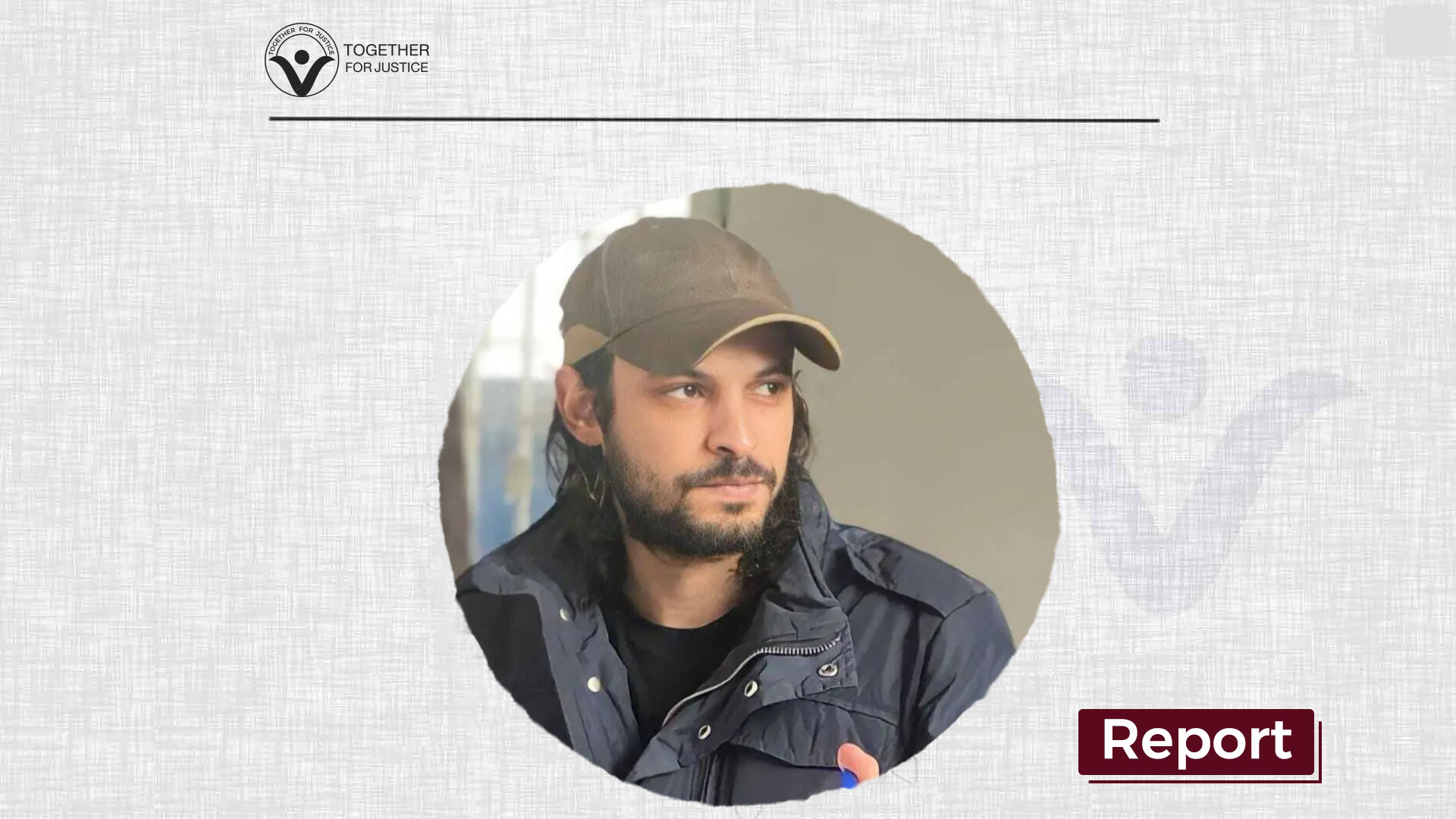
  • Together for Justice Condemns Bulgaria’s Inhumane Treatment of Abdulrahman Al-Khalidi and Calls for Immediate Action to Stop His Imminent Deportation

    Together for Justice Condemns Bulgaria’s Inhumane Treatment of Abdulrahman Al-Khalidi and Calls for Immediate Action to Stop His Imminent Deportation

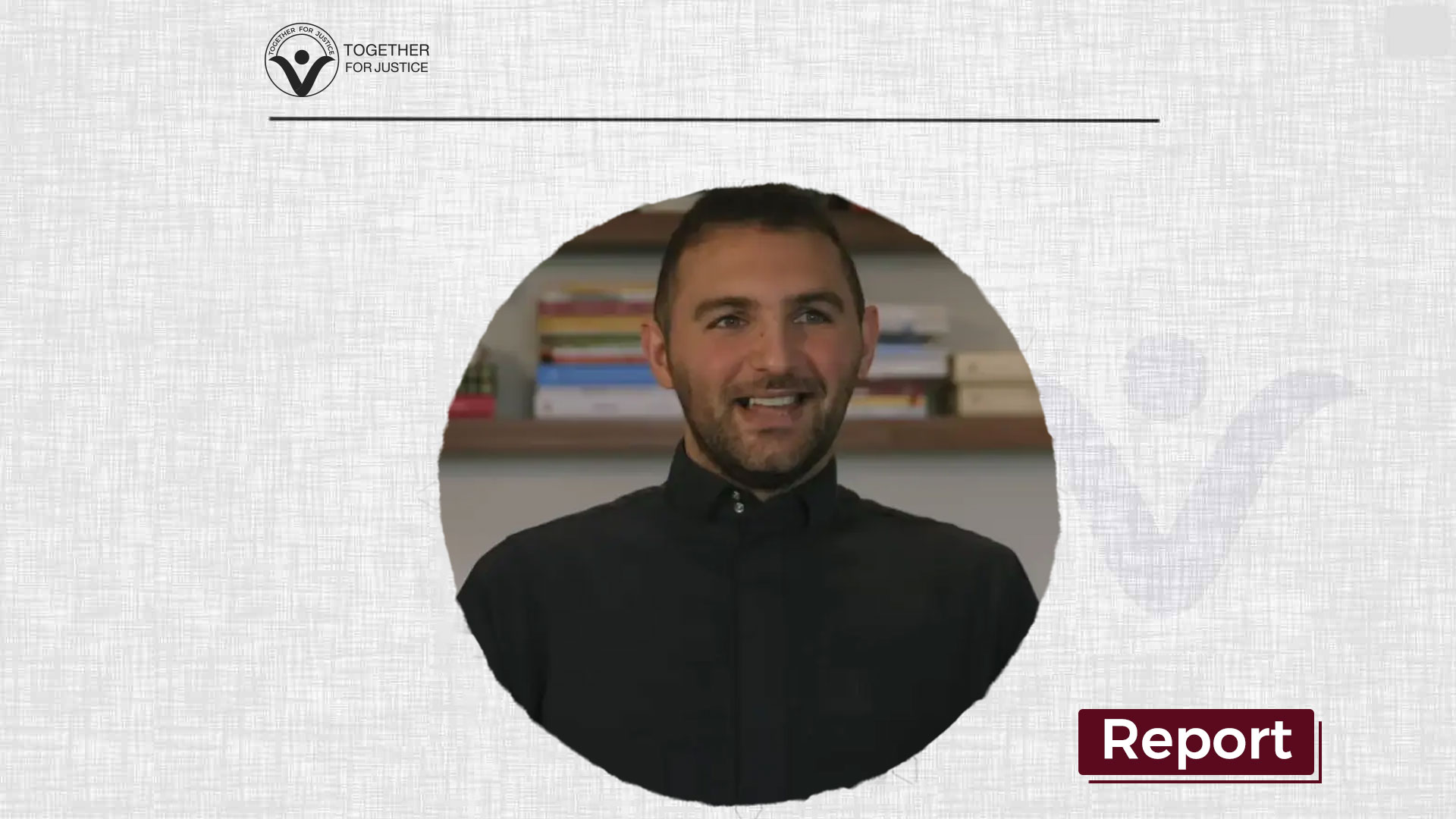
    Together for Justice strongly condemns the ongoing and inhumane treatment of Saudi activist Abdulrahman Al-Khalidi, who has now entered his 70th day of a hunger strike in protest of his arbitrary detention in Bulgaria. Al-Khalidi’s health has deteriorated severely as he faces the threat of imminent deportation to Saudi Arabia, where he is at serious risk of torture, enforced disappearance, and other severe human rights violations.

    Abdulrahman Al-Khalidi, a vocal critic of the Saudi government, fled the kingdom in 2013 due to escalating persecution for his political activism. He sought asylum in Bulgaria on October 23, 2021, fearing that a return to Saudi Arabia would lead to his imprisonment, torture, or worse. Despite the clear and present danger, Bulgarian authorities rejected his asylum request and have been coordinating his deportation with Saudi officials.

    The conditions of Al-Khalidi’s detention have been appalling. He has reported being held in administrative detention without any legal justification, facing physical and psychological pressure. His requests for necessary medication for heart problems and panic attacks have been denied unless he agrees to participate in informal interrogations without legal representation. These interrogations, led by Bulgaria’s National Security Agency (SANS), are part of a broader collaboration with Saudi authorities to silence and punish dissidents abroad.

    Adding to the injustice, Bulgarian officials informed Al-Khalidi that they would be transferring him to a deportation center, paving the way for his forced return to Saudi Arabia. This decision comes despite the numerous human rights violations the Saudi regime is known for, including arbitrary detentions, torture, and unfair trials.

    Together for Justice is outraged by Bulgaria’s complicity in this grave violation of human rights. By cooperating with the Saudi government and facilitating the deportation of a political dissident, Bulgaria is putting Al-Khalidi’s life at grave risk and blatantly disregarding international human rights obligations.

    The case of Abdulrahman Al-Khalidi is not an isolated one; it reflects a wider pattern of persecution faced by Saudi dissidents worldwide, many of whom have been forcibly returned to the kingdom, only to disappear into the brutal Saudi prison system or face sham trials leading to severe punishments, including execution.

    We call on the Bulgarian government to immediately halt the deportation of Abdulrahman Al-Khalidi and ensure that he receives proper medical treatment and humane conditions in detention. The international community must step in to hold both Bulgaria and Saudi Arabia accountable for these grave violations and provide protections to individuals like Al-Khalidi who risk their lives for expressing their opinions.

    In light of these dire circumstances, we renew our calls to:

    Immediately release Abdulrahman Al-Khalidi and cease any deportation efforts that would send him back to Saudi Arabia.
    Ensure that Bulgaria upholds its international obligations to protect asylum seekers from torture, persecution, and unfair treatment.
    Pressure the Saudi regime to stop its relentless persecution of dissidents abroad and respect the basic rights of its citizens.

    Together for Justice stands in solidarity with Abdulrahman Al-Khalidi and all Saudi dissidents who continue to suffer for their bravery in speaking out against oppression. We urge everyone to take action by sharing his story and raising awareness with the hashtag #StopDeportingAlKhalidi, and by calling on governments and international organizations to intervene to prevent this gross violation of human rights.

    The time for action is now—before it’s too late.
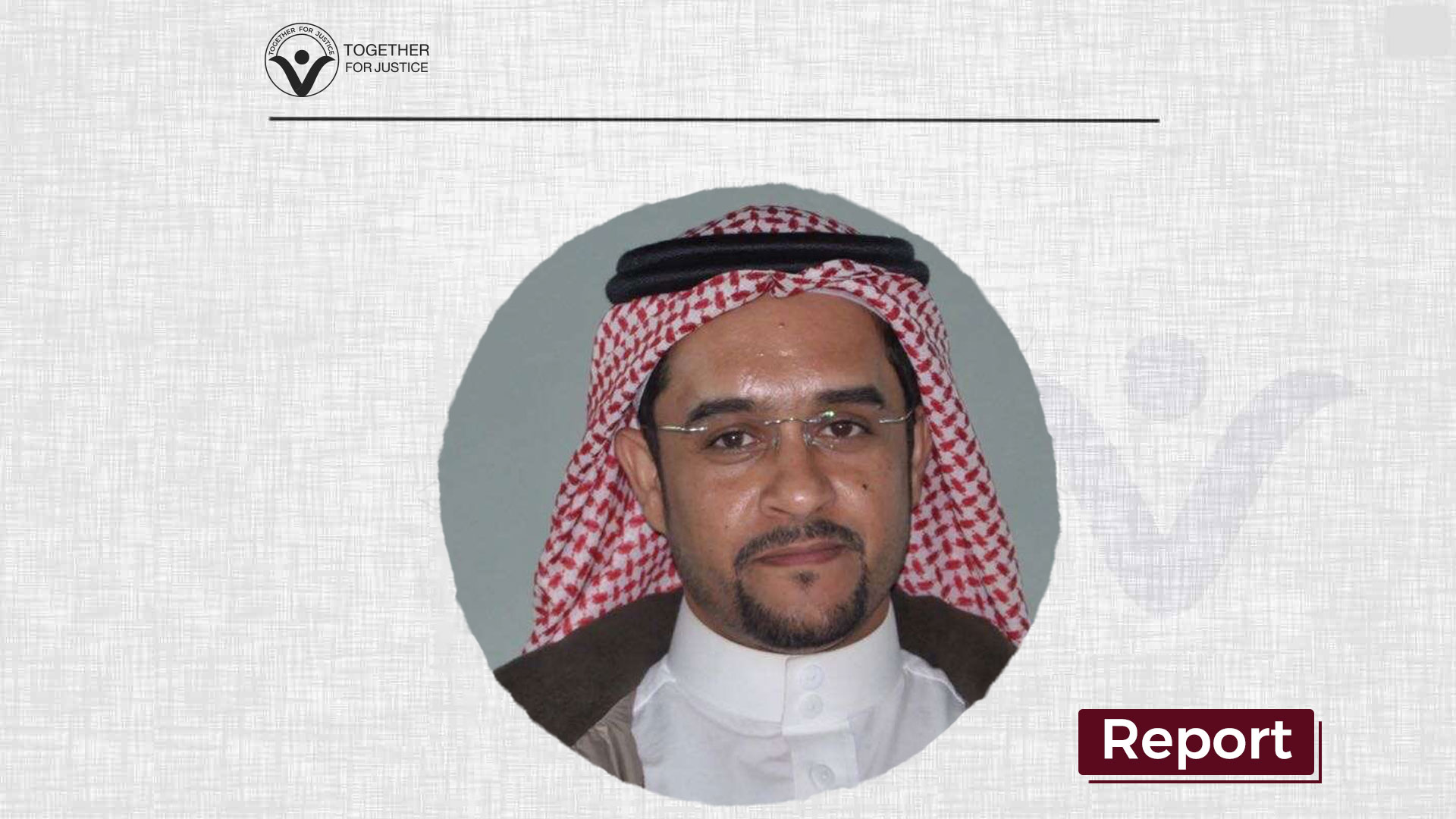
  • Together for Justice Condemns the Postponement of Asaad Al-Ghamdi’s Appeal Hearing and Calls for Fair Judicial Proceedings in Saudi Arabia

    Together for Justice Condemns the Postponement of Asaad Al-Ghamdi’s Appeal Hearing and Calls for Fair Judicial Proceedings in Saudi Arabia

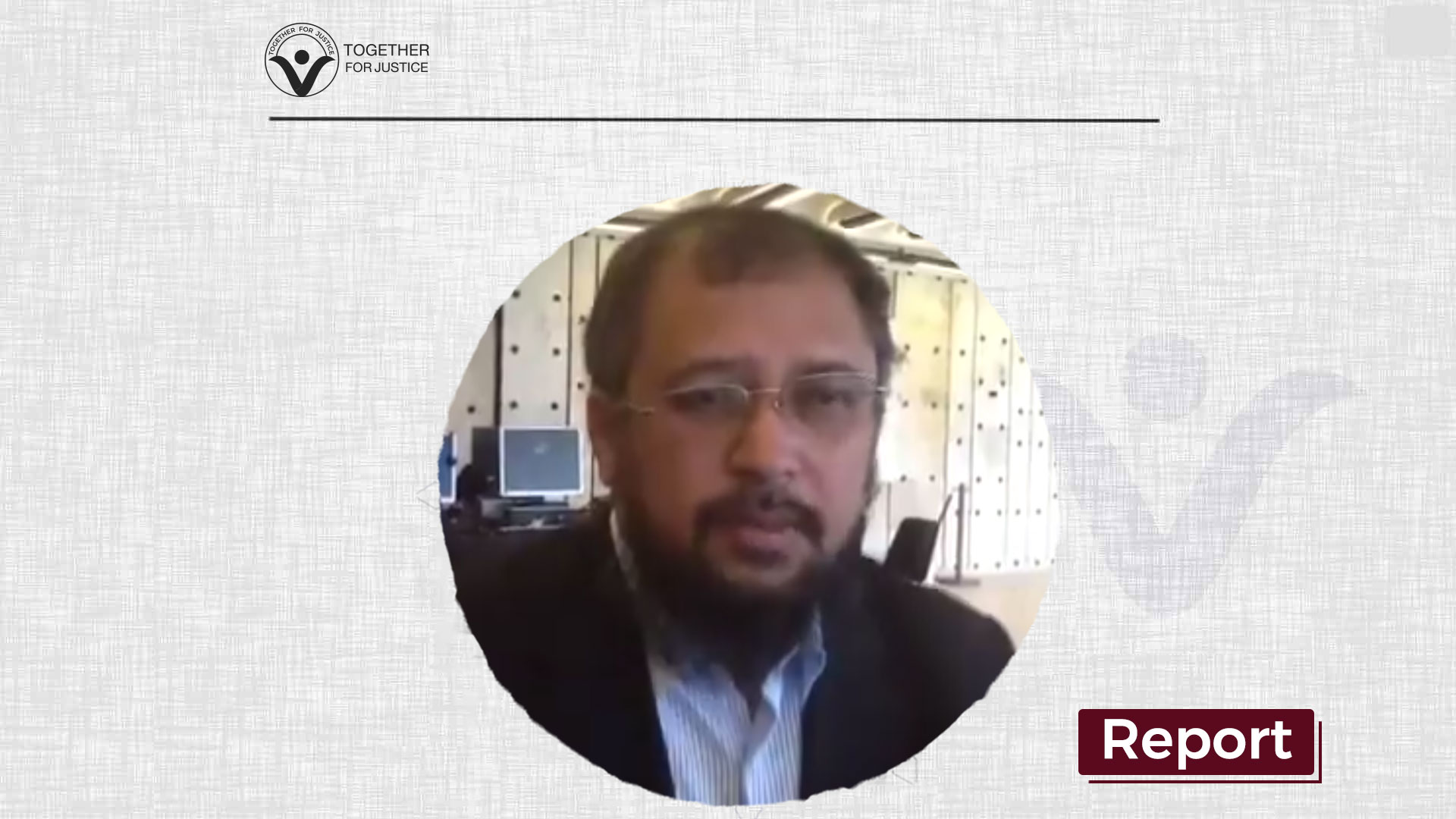
    Together for Justice expresses deep concern over the arbitrary detention and unjust sentencing of Asaad Al-Ghamdi, who was handed a 20-year prison sentence in July 2024 for expressing his opinions anonymously on social media. Among his tweets was a tribute to Dr. Abdullah Al-Hamid, a prominent Saudi human rights advocate who died in prison in April 2020 due to medical neglect.

    Asaad Al-Ghamdi is also the brother of Sheikh Saeed Al-Ghamdi, a prominent dissident in exile who has long been a target of the Saudi regime. Sheikh Saeed fled the country due to political persecution, yet the Saudi government continues to harass his family, using collective punishment to target his relatives, including Asaad and Mohamed Al-Ghamdi, as a means of silencing dissent.

    Mohamed Al-Ghamdi, another brother, was sentenced to death in July 2023 for tweets demanding justice, though the sentence was later overturned in August 2024. However, Mohamed remains in arbitrary detention, yet another victim of the regime’s repressive tactics against those who dare to speak out against injustice.

    Originally, Asaad’s appeal was scheduled for September 2024. However, in an unexpected and unjustified move, the court postponed the hearing until the end of October 2024 without providing a clear legal reason or any prior notice. This sudden delay reflects the ongoing manipulation of the judicial process to suppress dissent and restrict free expression in Saudi Arabia.

    Moreover, Together for Justice condemns the complicity of Twitter in this repression. Reports indicate that Twitter has provided user data to the Saudi authorities, enabling them to track down anonymous accounts, such as Asaad’s, and punish individuals for peacefully expressing their views. This collaboration not only endangers the lives of individuals who rely on social media platforms for free expression, but it also undermines the platform’s responsibility to protect user privacy and freedom of speech.

    Together for Justice calls on the Saudi government to immediately cease its practice of collective punishment and arbitrary detention of dissidents’ family members. We further urge Twitter and other social media platforms to take responsibility for the safety of their users by safeguarding personal data from oppressive regimes.

    The international community must hold Saudi Arabia accountable for its widespread human rights violations, demand transparency in judicial proceedings, and pressure the authorities to respect freedom of speech and the rights of their citizens.

  • Media Personality Hatem Al-Najjar Missing Amid Online Attack: Concerns Mount Over Possible Arrest and Safety

    Media Personality Hatem Al-Najjar Missing Amid Online Attack: Concerns Mount Over Possible Arrest and Safety

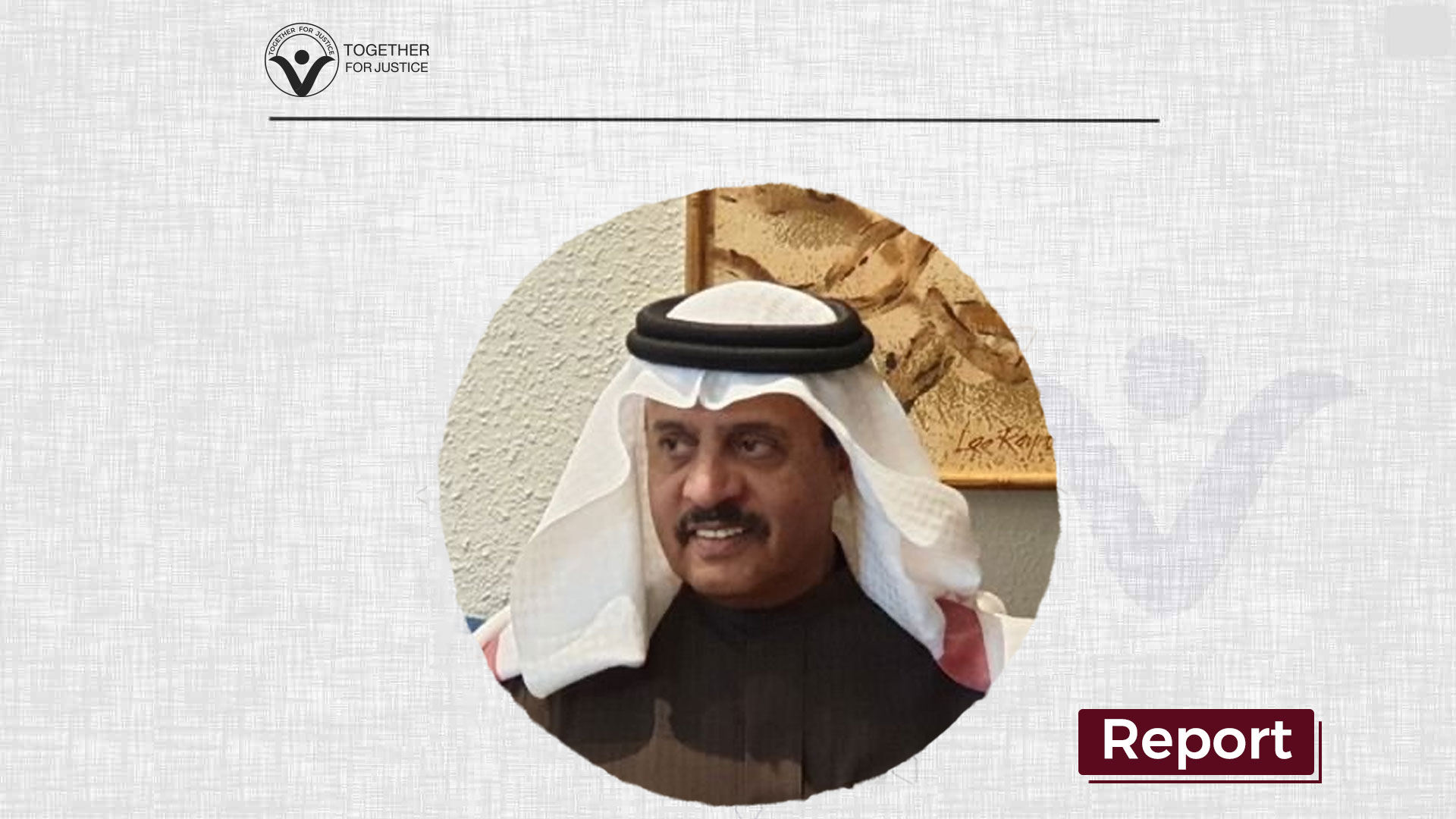
    Hatem Al-Najjar, the popular host of the “Muraba (Square)” podcast on Radio Thmanyah, has been absent from all social media platforms since January 15, following a coordinated online campaign launched against him by Cyber Armies, widely believed to be affiliated with the Saudi regime. These committees, often referred to as “electronic flies,” have been notorious for targeting critics and independent voices, particularly on platforms like X (formerly known as Twitter).

    The attack on Al-Najjar raises alarm, as these digital campaigns frequently aim to silence individuals who voice opinions deemed threatening or critical of the regime. While the exact reasons behind this campaign remain unclear, Al-Najjar’s sudden disappearance has sparked growing concerns about his safety and whereabouts.

    Speculation is mounting that Al-Najjar may have been arrested by Saudi security forces and taken to an undisclosed location, though this has not been officially confirmed. If true, his arrest would follow a troubling pattern of repression by the Saudi government, where dissenting voices are often silenced through arbitrary detention, intimidation, and torture.

    The fact that his whereabouts are unknown heightens fears for his well-being. Any harm that may come to Al-Najjar would not only be a violation of his basic human rights but also a clear indicator of the increasing crackdown on free speech in Saudi Arabia. Such actions only serve to fuel the already grim human rights record of the kingdom, where freedom of expression remains severely limited.

    We strongly urge the Saudi authorities to immediately disclose the whereabouts of Hatem Al-Najjar and guarantee his safety. Any harm inflicted on him or his unlawful detention will only add to the growing list of human rights violations committed by the regime. It is imperative that Al-Najjar is afforded all protections under international law, including the right to legal representation and communication with his family.

    We also condemn the continuing repression of independent voices and the use of cyberattacks to stifle dissent. The Saudi regime’s attempts to silence its critics through intimidation, imprisonment, and secret detentions must be brought to an end. The international community should remain vigilant and hold the kingdom accountable for its actions, ensuring that justice is served for those like Hatem Al-Najjar who dare to speak truth in the face of oppression.

    The world is watching, and we will continue to demand transparency, accountability, and above all, respect for human rights in Saudi Arabia.

  • Mohammad Alem Yaseen: A Political Prisoner and Defender of the Rohingya Cause

    Mohammad Alem Yaseen: A Political Prisoner and Defender of the Rohingya Cause

    Mohammad Alem Yaseen, Vice President of the Rohingya Global Center, has been serving an unjust 20-year prison sentence, a verdict delivered by Saudi authorities in retaliation for his political and humanitarian activism. Arrested in Mecca in October 2021, Yaseen’s case has drawn international attention as part of a wider crackdown on Rohingya activists residing in Saudi Arabia. Yaseen, along with other activists of Rohingya origin, was apprehended by Saudi authorities for his outspoken defense of the Rohingya people, a minority that has suffered unspeakable oppression and violence at the hands of the Myanmar government for decades.

    Background of Mohammad Alem Yaseen

    Yaseen is a third-generation Rohingya in Saudi Arabia, born into a family that migrated from the Arakan (Rakhine) State in Myanmar to Saudi Arabia nearly seven decades ago. The Rohingya have historically fled Myanmar due to systematic persecution, with successive generations seeking refuge in countries like Saudi Arabia, hoping for better lives. Mohammad Alem Yaseen, like many in his community, grew up understanding the struggles of his people and developed a deep commitment to advocating for their rights. 

    Yaseen’s work has extended beyond national borders, as he has been a key figure in global initiatives to raise awareness about the Rohingya crisis. His activism included organizing events, lobbying governments and international organizations, and engaging with media outlets to shine a light on the plight of Rohingya Muslims. His tireless efforts have earned him both admiration from human rights advocates and, unfortunately, the ire of governments resistant to political dissent.

    The Arrest and Sentencing

    In October 2021, Saudi authorities arrested Yaseen in Mecca, alongside several other Rohingya activists. This arrest marked the beginning of a troubling trend in which the Saudi government, often regarded as a key player in the Muslim world, took repressive measures against those advocating for human rights within its borders. The authorities accused Yaseen and his peers of engaging in political activities that they deemed disruptive to Saudi Arabia’s public order. However, human rights organizations contend that Yaseen’s arrest is part of a broader strategy to suppress political dissidents, particularly those advocating for the Rohingya cause, which could potentially strain Saudi Arabia’s diplomatic relations with Myanmar.

    The court handed Yaseen a 20-year prison sentence, a punishment widely condemned by human rights defenders as excessive and unjust. Critics argue that this sentence is not only a violation of Yaseen’s rights to free speech and political participation but also a stark betrayal of the principles of justice and human rights that Saudi Arabia claims to uphold. For Yaseen, the sentence represents a crushing blow to his decades-long fight for his people’s basic rights.

    Rohingya Struggle and International Context

    The Rohingya, a predominantly Muslim ethnic group, have faced relentless persecution in their home country of Myanmar for generations. They have been subjected to mass killings, forced displacement, and ethnic cleansing, leading to a large-scale exodus of Rohingya refugees to neighboring countries. For decades, activists like Yaseen have raised their voices to highlight the human rights abuses faced by the Rohingya, hoping to garner international support and pressure Myanmar into ending the violence.

    Yaseen’s imprisonment represents a critical moment in the global struggle for Rohingya rights. With over one million Rohingya refugees languishing in camps in Bangladesh, and thousands more in precarious situations around the world, the detention of key advocates like Yaseen sets a dangerous precedent. It signals that even in countries where refugees seek asylum, they may not be safe from the repression of their political voices.

    Saudi Arabia’s Role and the Silencing of Rohingya Activists

    Saudi Arabia, home to a significant Rohingya diaspora, has long been seen as a beacon of hope for many fleeing persecution. However, the arrest and imprisonment of activists like Yaseen suggest a shift in Saudi Arabia’s treatment of political dissidents. The kingdom’s crackdown on activism within its borders has extended to include those advocating for causes beyond Saudi soil, a troubling development for the global human rights community.

    The arrest of Mohammad Alem Yaseen raises serious questions about Saudi Arabia’s commitment to protecting human rights, particularly those of oppressed Muslim minorities like the Rohingya. Despite the kingdom’s role as a leader in the Islamic world, it has shown a willingness to suppress political dissent even when it involves the defense of marginalized Muslim communities. This move aligns with Saudi Arabia’s broader efforts to maintain control over political narratives within its borders and curtail any activities it perceives as potentially disruptive to its authority.

    The world must not forget the contributions and sacrifices of activists like Mohammad Alem Yaseen. His story stands as both a testament to the courage of human rights defenders and a call to action for those committed to justice and equality.

  • Four Years of Arbitrary Detention: The Case of Musaa’ed Abdulrabbu Al-Dousi Al-Zahrani in Saudi Arabia

    Four Years of Arbitrary Detention: The Case of Musaa’ed Abdulrabbu Al-Dousi Al-Zahrani in Saudi Arabia

    As Saudi Arabia continues its push for modernization and economic diversification under its Vision 2030 program, the grim reality of human rights abuses remains a significant issue. One such case is that of Musaa’ed Abdulrabbu Al-Dousi Al-Zahrani, who has entered his fifth year of arbitrary detention without trial. His story is a stark reminder of the harsh consequences individuals face for speaking out against the government, even in a peaceful manner.

    Arrested for Speaking Truth

    In July 2020, Al-Zahrani was detained by Saudi authorities after sending a letter to the Royal Court. The content of this letter was a piece of advice concerning what he described as “moral corruption” being promoted by the Kingdom’s General Entertainment Authority. The institution, which is tasked with leading Saudi Arabia’s cultural reform by introducing concerts, cinema, and other entertainment events, has been at the center of debates about the shifting cultural landscape in the traditionally conservative country.

    While Al-Zahrani’s actions were neither criminal nor violent, his criticism of the government’s policies apparently crossed a line. His arrest, like many others in Saudi Arabia, was made without formal charges or a clear legal process. Now, four years later, he remains in detention without ever having faced trial.

    The Silence of the Courts

    What is particularly concerning about Al-Zahrani’s case is the complete absence of legal proceedings. For four years, the Saudi judiciary has not provided any justification for his continued detention. No charges have been formally filed, and no trial has been held, leaving Al-Zahrani in a legal limbo. This arbitrary imprisonment is a direct violation of international human rights standards, including the right to a fair trial and protection from arbitrary detention, as outlined in the Universal Declaration of Human Rights and the International Covenant on Civil and Political Rights, both of which Saudi Arabia has signed.

    A Grim Pattern of Repression

    The case of Musaa’ed Al-Zahrani is emblematic of a broader trend of human rights abuses in Saudi Arabia. Over the past decade, the Saudi government has intensified its crackdown on dissent, targeting activists, journalists, intellectuals, and even ordinary citizens who dare to express criticism. Freedom of expression is severely curtailed, and those who speak out, even in private communications such as letters or social media posts, often face dire consequences.

    The arrest and ongoing detention of individuals like Al-Zahrani reflect the government’s efforts to stifle any criticism of its policies, particularly when it comes to the controversial activities of the General Entertainment Authority. These activities, which include events that were previously considered taboo in Saudi Arabia, have been met with mixed reactions from the public. However, the government appears determined to suppress any form of dissent, using detention, torture, and other repressive tactics.

    Calls for International Accountability

    As Al-Zahrani begins his fifth year in detention, the international community must renew its focus on the dire state of human rights in Saudi Arabia. Despite the Kingdom’s attempts to present itself as a progressive nation, the reality is one of authoritarianism and repression. Arbitrary arrests, lack of due process, and secretive trials are all part of a system that prioritizes the preservation of power over basic human rights.

    The international community, including human rights organizations, governments, and UN bodies, must hold Saudi Arabia accountable for these abuses. The case of Musaa’ed Abdulrabbu Al-Dousi Al-Zahrani is not an isolated incident, but part of a larger pattern that demands urgent intervention. The arbitrary detention of citizens for merely expressing their views cannot be allowed to continue unchecked.

    Musaa’ed Abdulrabbu Al-Dousi Al-Zahrani’s ongoing detention highlights the grim state of human rights in Saudi Arabia. His four-year imprisonment without trial, simply for offering criticism in a private letter, underscores the lengths to which the Saudi government will go to silence dissent. As calls for reform grow louder, the international community must act to pressure Saudi authorities to release Al-Zahrani and others like him, and to end the practice of arbitrary detention. Without such intervention, the future of human rights in Saudi Arabia remains bleak.

  • Together for Justice Condemns the Escalating Use of Executions in Saudi Arabia and Calls for International Action

    Together for Justice Condemns the Escalating Use of Executions in Saudi Arabia and Calls for International Action

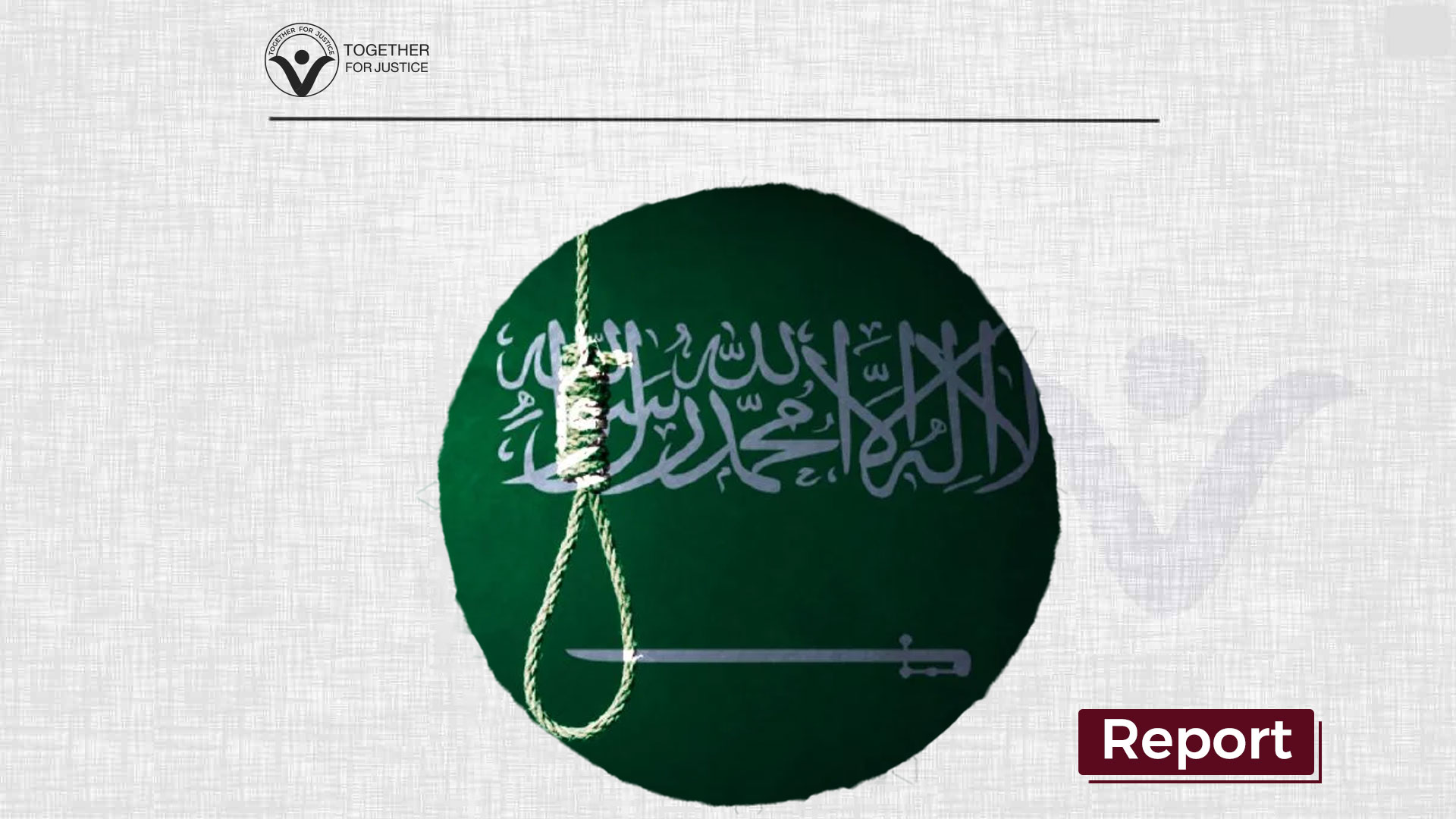
    Together for Justice expresses its profound condemnation of the Saudi government’s continued use of the death penalty as a means of silencing dissent and reinforcing its authoritarian grip on power. The execution of Zafer bin Mohammed bin Abdullah Al-Shihri on August 24, 2024, marks yet another case in the alarming escalation of state-sponsored violence under the guise of “justice.”

    It is worth mentioning that this comes just days after the Saudi regime executed another man on August 13, 2024, for merely expressing his opinions on social media. The speed and frequency of these executions reflect a growing crisis in human rights that must be addressed immediately by the international community.

    This disturbing pattern of executions is particularly troubling given the complete lack of fair trial standards in Saudi Arabia. The judicial system operates with blatant disregard for the basic tenets of justice and due process. Trials are often conducted in secret, and defendants are routinely denied access to legal counsel, depriving them of any meaningful defense.

    Those who stand accused are frequently convicted based on “confessions” obtained through torture or coercion, making a mockery of justice. These unfair trials violate the most fundamental principles of international law, including the right to a fair trial as enshrined in the International Covenant on Civil and Political Rights, to which Saudi Arabia is a signatory.

    Equally concerning is the increasing use of executions as a tool to crush dissent and instill fear in those who dare to voice opposition. The Saudi government has shown a systematic willingness to target its own citizens—often for non-violent expressions of opinion—such as posting on social media.

    In the case of the August 13 execution, the individual was condemned for nothing more than exercising his right to freedom of speech. These actions are not only a gross violation of human rights but are also emblematic of the lengths to which the regime will go to stifle any semblance of opposition or critique. The world cannot afford to ignore this calculated suppression of basic freedoms.

    Moreover, the use of torture and forced confessions is rampant in the Saudi justice system. Prisoners are subjected to severe physical and psychological abuse, often held incommunicado for extended periods, and coerced into signing confessions to crimes they did not commit.

    These confessions, extracted under torture, are then used to justify the death sentences handed down by the courts. The cruelty of these practices not only contravenes international human rights law, such as the Convention Against Torture, but also highlights the urgent need for global intervention to end these inhumane abuses.

    Together for Justice calls upon the international community, including the United Nations and global human rights organizations, to take immediate and decisive action to hold Saudi Arabia accountable for its continued violations of human rights.

    Governments and policymakers worldwide must urgently pressure the Saudi authorities to put a halt to this wave of executions and ensure that no further deaths occur as a result of these gross miscarriages of justice. The world must also demand that Saudi Arabia institute reforms to its judicial system, including guarantees for fair trials, access to legal representation, and the abolition of forced confessions through torture.

    The ongoing human rights abuses in Saudi Arabia cannot continue to be met with silence. The executions of individuals for exercising their basic freedoms represent an alarming trend toward state-sanctioned oppression that must be halted.

    Together for Justice stands with the victims of these unjust executions and reiterates our commitment to advocating for their rights and dignity. It is time for the world to act decisively and demand accountability from the Saudi government before more innocent lives are lost.

  • The 7th Anniversary of Saudi Arabia’s “Black September”: Reflecting on the 2017 Crackdown

    The 7th Anniversary of Saudi Arabia’s “Black September”: Reflecting on the 2017 Crackdown

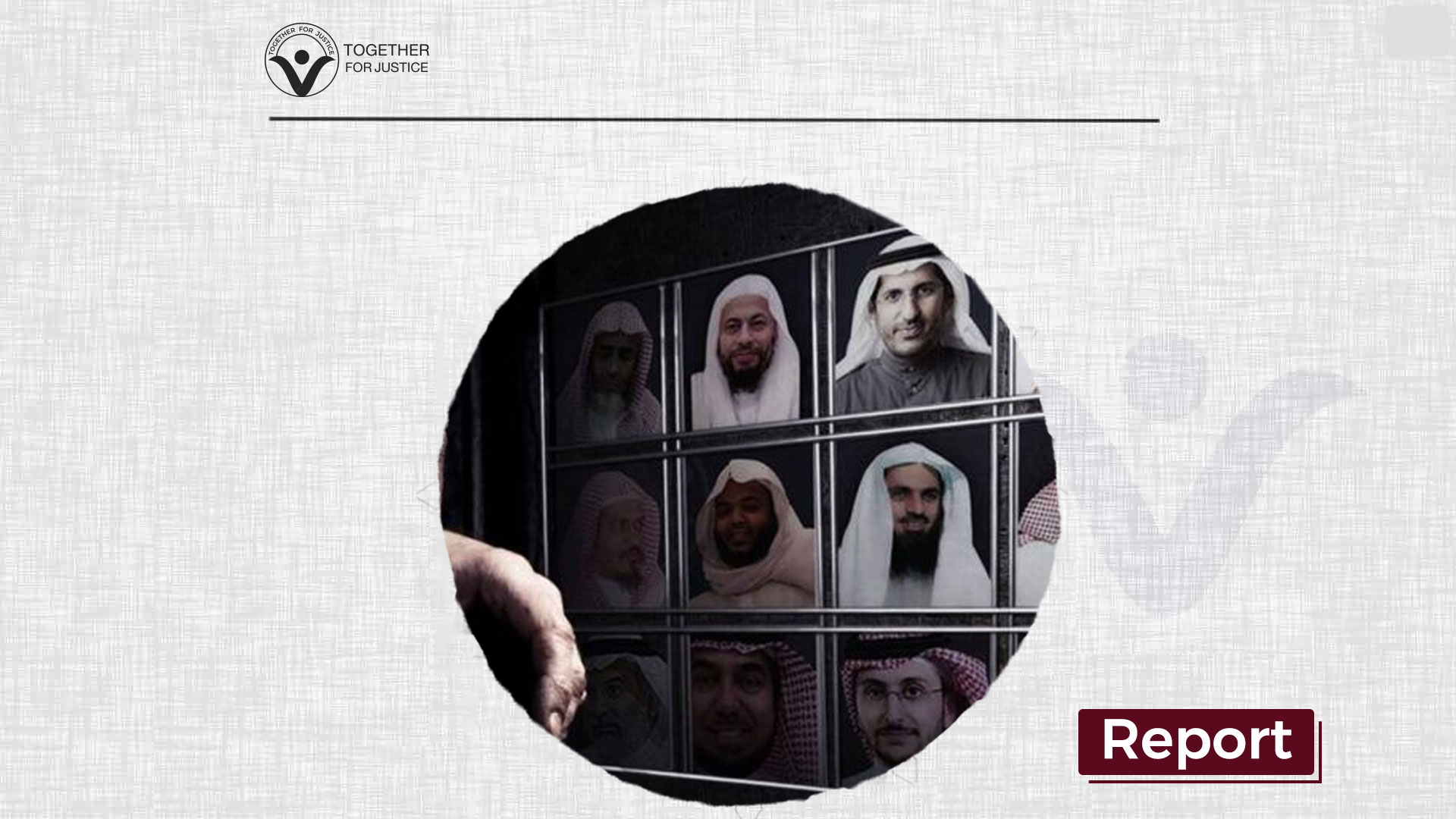
    This month marks the seventh anniversary of what has come to be known as Saudi Arabia’s “Black September.” In September 2017, the Kingdom launched an unprecedented crackdown on dissent, arresting clerics, intellectuals, activists, and prominent figures in a sweeping move that shocked the international community. As we reach this grim milestone, it is crucial to reflect on the legacy of this event and the ongoing suppression of freedoms in the Kingdom.

    The Crackdown: A Prelude to Reforms or a Power Play?

    The September 2017 crackdown, often framed by Saudi authorities as part of Crown Prince Mohammed bin Salman’s broader reform agenda, targeted those who were seen as obstacles to his Vision 2030 project. Ostensibly a plan to modernize Saudi Arabia’s economy and reduce its dependence on oil, Vision 2030 also aimed to liberalize certain social practices and open the country to foreign investment.

    However, the arrests of over 20 prominent individuals, including religious clerics such as Salman al-Ouda and Awad al-Qarni, were interpreted by many as less about reform and more about consolidating the Crown Prince’s control over the country. The crackdown extended to journalists, human rights defenders, and even members of the royal family who voiced concerns or opposition to the new direction in which the Crown Prince was steering the nation.

    What made this crackdown particularly severe was the breadth of those targeted. In addition to clerics and reformists, even conservative figures, once seen as staunch allies of the regime, were arrested for failing to align with the rapid and far-reaching reforms.

    Seven Years Later: A Legacy of Repression

    Seven years on, many of those detained in the Black September purge remain behind bars, often without formal charges or transparent legal proceedings. High-profile clerics like Salman al-Ouda have been imprisoned in solitary confinement, facing life-threatening health conditions due to the harsh conditions of their detention.

    The aftermath of Black September set a dangerous precedent for Saudi Arabia’s internal policies. What followed was a series of further crackdowns on dissent, including the arrest of women’s rights activists, journalists, and even members of the Saudi royal family. Many were tortured, subjected to unfair trials, or held incommunicado for extended periods. Saudi dissident journalist Jamal Khashoggi, assassinated in the Saudi consulate in Istanbul in 2018, became one of the most prominent symbols of the regime’s growing intolerance of criticism.

    The Global Response: A Turning Point?

    Despite the widespread international outrage and condemnation from human rights organizations, there has been little sustained pressure on the Saudi regime to account for the violations of human rights since the 2017 crackdown. The global community, particularly the West, remains deeply invested in Saudi Arabia, given its strategic importance as an oil producer and a counterbalance to Iran in the region.

    This complicity has contributed to the sense of impunity with which the Saudi leadership operates. The lack of substantial diplomatic consequences for the September crackdown and subsequent abuses emboldened further repression, leaving Saudi activists and dissidents with little hope for international intervention.

    The Way Forward: Demands for Accountability

    On the seventh anniversary of Black September, human rights defenders and international observers must renew calls for accountability. The silence surrounding the fate of many detainees, including those who merely advocated for peaceful reforms, is a stain on the Saudi government’s record. If Saudi Arabia is genuinely committed to reform and modernization, it must begin by respecting basic human rights, releasing political prisoners, and allowing for a free exchange of ideas.

    The international community also has a role to play. Western governments, who often tout their support for democracy and human rights, must stop turning a blind eye to Saudi Arabia’s repression in exchange for economic and geopolitical interests. It is only through sustained pressure, both from within and outside the country, that meaningful change can occur.

    As Saudi Arabia marks seven years since the infamous Black September crackdown, the Kingdom stands at a crossroads. The continued imprisonment of activists, clerics, and intellectuals reveals the darker side of the Vision 2030 project—a vision that, while promising economic and social reforms, continues to operate under a cloud of repression and fear. Until Saudi Arabia addresses the injustices of September 2017 and beyond, the true meaning of reform will remain elusive, and the country’s journey toward modernization will be incomplete.

    Now, more than ever, the world must stand in solidarity with those silenced and imprisoned, urging Saudi Arabia to uphold the very freedoms it claims to promote.

  • The Al-Hamid Family: Saudi Arabia’s Ruthless Campaign Against Human Rights Activists

    The Al-Hamid Family: Saudi Arabia’s Ruthless Campaign Against Human Rights Activists

    Saudi Arabia, a country notorious for its severe crackdown on dissent and human rights activism, has once again demonstrated its ruthless determination to silence voices calling for reform. The tragic story of the Al-Hamid family is a stark reminder of the oppressive lengths to which the Saudi regime will go to maintain its grip on power.

    Issa al-Hamid: A Voice for Justice Silenced

    Issa al-Hamid, a prominent human rights activist, played a pivotal role in founding the Saudi Civil and Political Rights Association (ACPRA), known as “HASM.” This independent organization courageously advocated for the basic human rights of all Saudi citizens, including the right to political participation, the establishment of an elected parliament, and the creation of an independent judiciary. In a country where such demands are met with brutal repression, HASM’s work was nothing short of revolutionary.

    However, the Saudi authorities responded to HASM’s peaceful activism with swift and severe punishment. In 2013, the government dissolved the organization, arresting its members, including Issa al-Hamid. He was sentenced to 11 years in prison, followed by an additional 11-year travel ban and a hefty fine of 100,000 Saudi Riyals. His so-called “crimes” included defaming religious scholars, insulting the judiciary, participating in an unlicensed organization, and communicating with international organizations to tarnish the kingdom’s image.

    Since his arrest on September 16, 2017, Issa al-Hamid has been languishing in Buraydah Prison in the Qassim region. His trial, like those of many human rights defenders in Saudi Arabia, was a travesty of justice, lacking even the most basic standards of a fair trial.

    The Al-Hamid Family: A Case of Collective Punishment

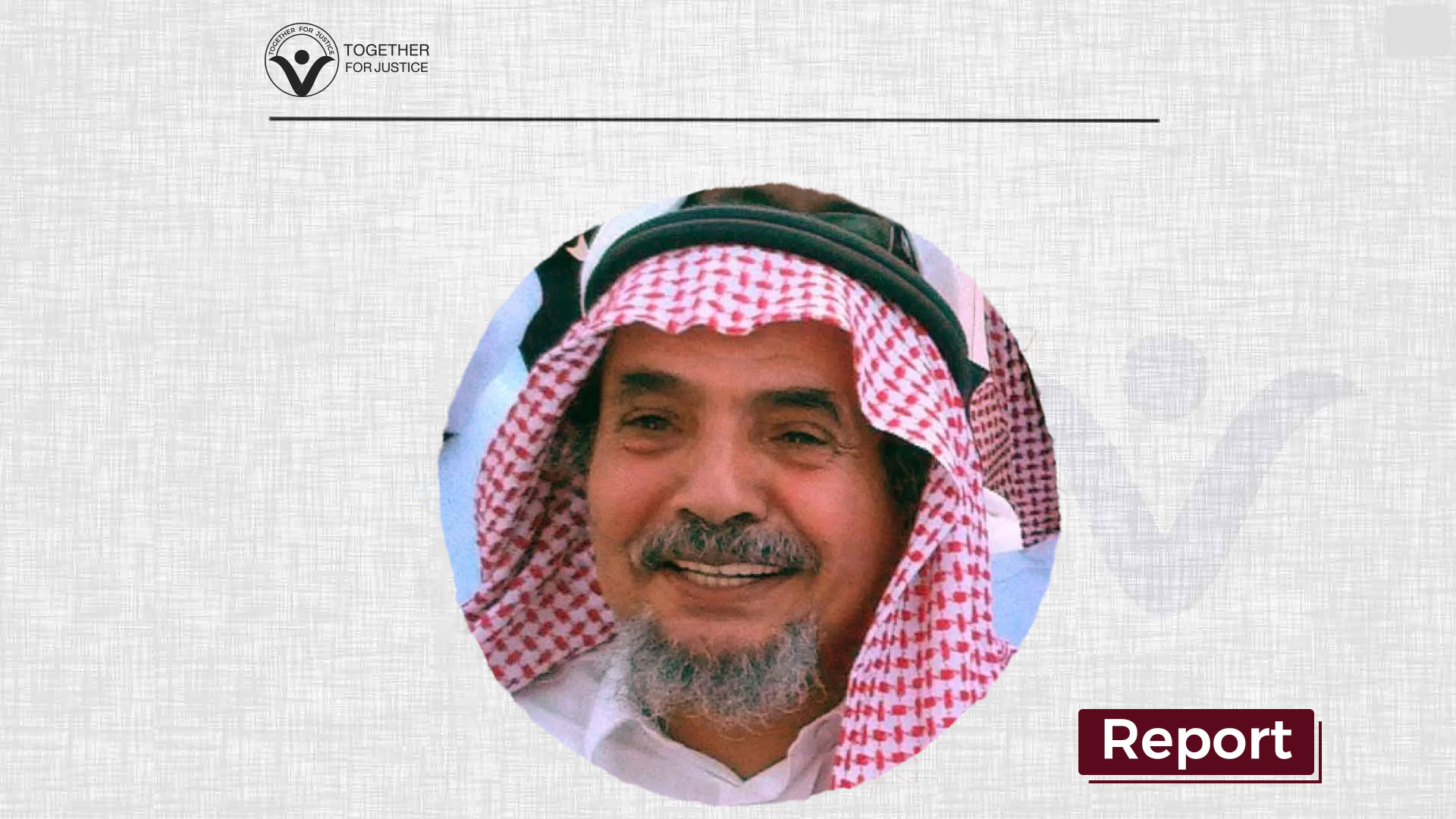
    Issa al-Hamid’s plight is not an isolated incident but part of a broader campaign of collective punishment against his family. His brother, Abdulrahman al-Hamid, was similarly sentenced to nine years in prison. Their elder brother, Abdullah al-Hamid, often referred to as the “Sheikh of Saudi human rights,” was also a co-founder of HASM. Tragically, Abdullah died in custody in April 2020 after suffering from deliberate medical neglect—a fate that amounts to a slow execution by the Saudi authorities.

    Abdullah al-Hamid’s death in custody is a tragic example of the kingdom’s disregard for human life. After suffering a severe stroke on April 9, 2020, Abdullah was left without the urgent medical care he needed. The authorities, despite being fully aware of his critical condition, refused to release him or provide the necessary treatment, leading to his death on April 23, 2020.

    The Al-Hamid family’s persecution is emblematic of the Saudi regime’s intolerance of dissent. Their only “crime” was to demand a democratic and constitutional monarchy in a country where such calls are treated as existential threats to the ruling elite. The family’s suffering is a clear example of the collective punishment meted out by the Saudi authorities to silence entire families and deter others from speaking out.

    The Destruction of HASM and the Broader Crackdown

    The story of HASM is a testament to the Saudi regime’s relentless war on human rights. Formed with the noble aim of securing civil and political rights for all Saudis, the organization was quickly crushed by a government intent on maintaining absolute control. Its members were arrested on spurious charges under a terrorism law that is intentionally vague and broad, allowing the regime to imprison anyone who dares to challenge its authority.

    HASM members received harsh sentences ranging from four to 15 years in prison, followed by lengthy travel bans. The charges against them included “insulting state officials,” “questioning the integrity of the judiciary,” and “encouraging international organizations to act against Saudi Arabia”—all for peacefully advocating for human rights and political reform.

    International Outcry and Saudi Arabia’s Defiance

    The international community has not been silent on the plight of the Al-Hamid family and other HASM members. The United Nations Special Procedures and the Working Group on Arbitrary Detention have issued multiple complaints, expressing grave concern over the arbitrary detention and unfair trials of HASM members. In 2020, the UN Secretary-General highlighted their cases in his report on reprisals against individuals cooperating with UN human rights mechanisms. Despite this international outcry, the Saudi regime remains defiant.

    A Call for Justice and Accountability
    The story of the Al-Hamid family is a sobering reminder of the ongoing human rights crisis in Saudi Arabia. Their persecution, along with the destruction of HASM, illustrates the lengths to which the Saudi regime will go to suppress dissent and maintain its authoritarian rule.

    It is imperative that the international community intensifies its pressure on Saudi Arabia to release all political prisoners, including Issa and Abdulrahman al-Hamid, and to hold those responsible for the death of Abdullah al-Hamid accountable. The world must not turn a blind eye to the systematic repression and gross human rights violations occurring in Saudi Arabia.

    The Al-Hamid family’s sacrifices in the struggle for justice and democracy should not be forgotten. Their courage in the face of tyranny should serve as a rallying cry for all who believe in human rights and the rule of law. It is time for the world to stand with the Al-Hamid family and demand an end to the Saudi regime’s brutal repression. The fight for a democratic and just Saudi Arabia is far from over, and the international community must remain vigilant and unwavering in its support for those who continue to risk everything in the pursuit of freedom and justice.

  • Renewed Calls for the Release of Dr. Khalid Al-Ajmi Amid Reports of Deteriorating Health

    Renewed Calls for the Release of Dr. Khalid Al-Ajmi Amid Reports of Deteriorating Health

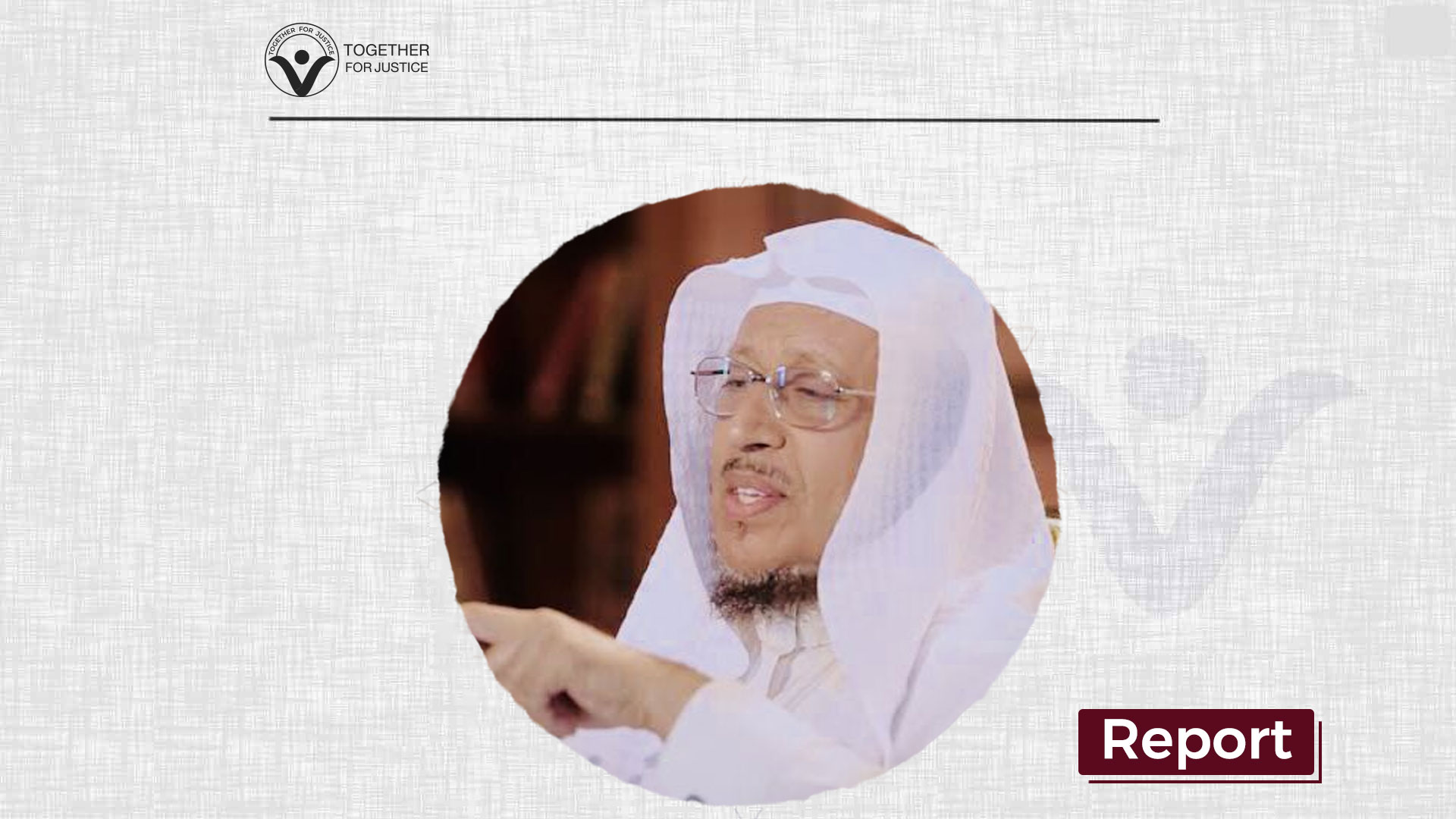
    Recent reports have raised alarm over the deteriorating health of Dr. Khalid Al-Ajmi, a prominent scholar and former member of the Board of Trustees of the International Union of Muslim Scholars, who has been unjustly detained by Saudi authorities for nearly three years. In light of these developments, we renew our urgent calls for his immediate release and for the international community to intervene in this dire situation.

    Dr. Al-Ajmi’s ordeal began in September 2017 when he was first arrested during a widespread crackdown on activists, academics, and dissidents across Saudi Arabia. Despite enduring harsh treatment, poor prison conditions, and an unfair trial that lacked the most basic standards of justice, he was sentenced to three years and eight months in prison. The charges against him were directly related to his political views and public stances, reflecting the broader repression faced by those who dare to criticize the Saudi regime.

    Although Dr. Al-Ajmi completed his prison sentence, he was not released until August 2021, when his health had significantly worsened. His release came under the condition of house arrest, requiring him to remain under close surveillance and only allowing movement with special permission from the authorities. He was also forced to wear an electronic ankle monitor to track his every move—an inhumane and degrading measure that further restricted his freedom.

    However, the Saudi authorities re-arrested Dr. Al-Ajmi in November 2021, just three months after his conditional release, despite being fully aware of his critical health condition. The re-arrest was reportedly due to his frequent outings from his home without notifying the authorities, even though he remained under strict surveillance. Since then, Dr. Al-Ajmi has been held in detention without proper access to medical care, and communication with his family and legal representatives has been severely limited, raising grave concerns about his safety and well-being.

    The ongoing detention of Dr. Al-Ajmi is not only a violation of his fundamental human rights but also a clear breach of international agreements that Saudi Arabia is party to. These agreements guarantee every individual the right to a dignified life, including the right to security, freedom, and access to adequate medical care. The Saudi government’s treatment of Dr. Al-Ajmi starkly contrasts these obligations, reflecting a broader pattern of repression against those who speak out against the regime.

    As his health continues to decline, the risk to Dr. Al-Ajmi’s life grows ever more severe. We hold the Saudi authorities fully responsible for his safety and demand immediate action to ensure he receives the medical attention he desperately needs. The inhumane conditions of his detention must end, and he must be allowed to live with the dignity and freedom that every human being deserves.

    We call upon international human rights organizations, UN bodies, and governments worldwide to exert pressure on the Saudi regime to release Dr. Khalid Al-Ajmi and all other political prisoners detained for exercising their right to free speech and expression. It is imperative that urgent investigations be conducted into the violations suffered by Dr. Al-Ajmi and others like him, and that those responsible for these abuses are held accountable.

    The continued detention of Dr. Al-Ajmi is a grim reminder of the lengths to which the Saudi government will go to silence dissent. As his situation becomes increasingly perilous, it is our collective responsibility to amplify his voice and advocate for his immediate release. We must not allow his plight, and that of countless others, to be forgotten in the face of ongoing repression.

  • The Rap That Shook the Kingdom: Omar Shibouba’s Fight Against Injustice

    The Rap That Shook the Kingdom: Omar Shibouba’s Fight Against Injustice

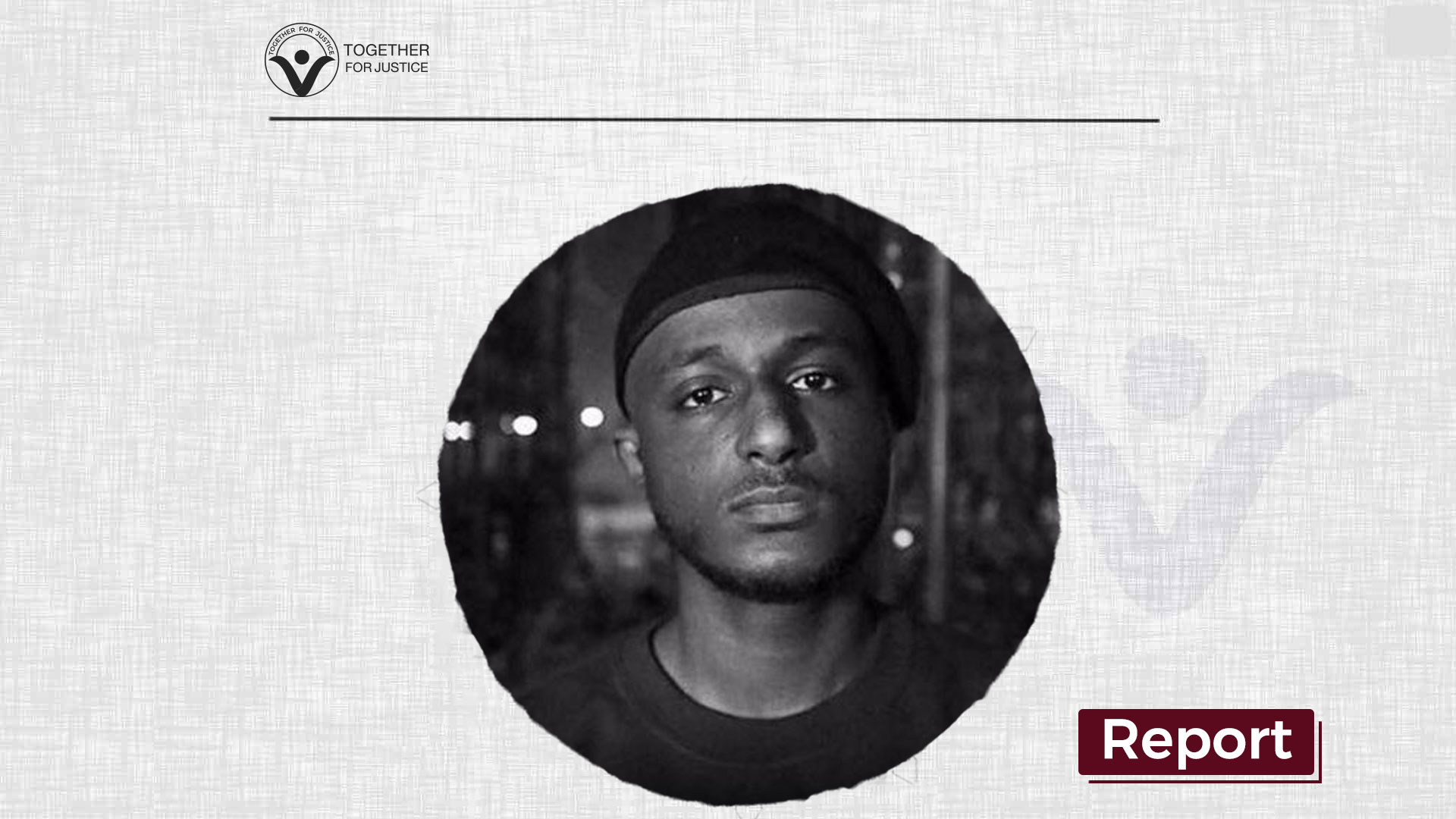
    In March 2022, the Saudi authorities arrested rapper Omar Shibouba, a young artist whose music resonated with many for its bold criticism of societal injustices and corruption within the Kingdom. Shibouba’s arrest followed a concert where he performed a rap song that openly challenged the status quo, a rare and dangerous move in a country where freedom of expression is severely curtailed. His lyrics, which denounced the pervasive corruption and systemic injustices, struck a chord with his audience but also drew the ire of the government.

    The response was swift and unforgiving. Shortly after the concert, a coordinated online smear campaign, driven by pro-government social media accounts—often referred to as “electronic flies”—targeted Shibouba. They labeled his music as “revolutionary” and accused him of inciting rebellion against the ruling authorities. These accusations were not only baseless but also served as a pretext for his arrest, as the government sought to stifle any form of dissent that could inspire others to question or challenge their authority.

    Since his arrest, Shibouba has been held incommunicado, denied access to his family and legal representation. These actions are emblematic of the broader pattern of repression in Saudi Arabia, where the government routinely detains and silences critics, dissidents, academics, journalists, religious scholars, and human rights activists. The use of such heavy-handed tactics has escalated under the current administration, which seeks to present a facade of reform while simultaneously crushing any form of opposition.

    As of August 2024, Omar Shibouba remains behind bars, his voice silenced, and his case largely forgotten by the international community. The rapper’s fate is a chilling reminder of the risks faced by those who dare to speak out against injustice in Saudi Arabia. Despite the government’s attempts to modernize its image through various reforms, the reality on the ground remains one of severe repression and human rights abuses.

    Shibouba’s case highlights the stark contrast between the image Saudi Arabia tries to project to the world and the harsh realities experienced by those within its borders. While the Kingdom touts its Vision 2030 as a progressive step towards modernization, these efforts are undermined by the continued suppression of fundamental freedoms. The arrest and continued detention of individuals like Omar Shibouba reveal the underlying fear within the government—that any form of artistic or intellectual expression that deviates from the state-sanctioned narrative could ignite a movement for change.

    The international community must not remain silent in the face of these violations. The ongoing detention of Omar Shibouba and countless others who have been imprisoned for exercising their right to free speech demands urgent attention. It is imperative that global human rights organizations, governments, and activists call for their immediate release and pressure the Saudi government to uphold the basic rights of its citizens.

    Omar Shibouba’s story is not just one of repression; it is also a testament to the power of art as a vehicle for social change. Even in the face of brutal suppression, his music continues to inspire and resonate with those who long for justice and freedom. His courage in speaking out, despite the risks, serves as a reminder that the fight for human rights in Saudi Arabia is far from over.