Author: Publisher2026

  • Imprisoned for Seeking Truth: The Ongoing Ordeal of Abdul Rahman Al-Dawish in Saudi Detention

    Imprisoned for Seeking Truth: The Ongoing Ordeal of Abdul Rahman Al-Dawish in Saudi Detention

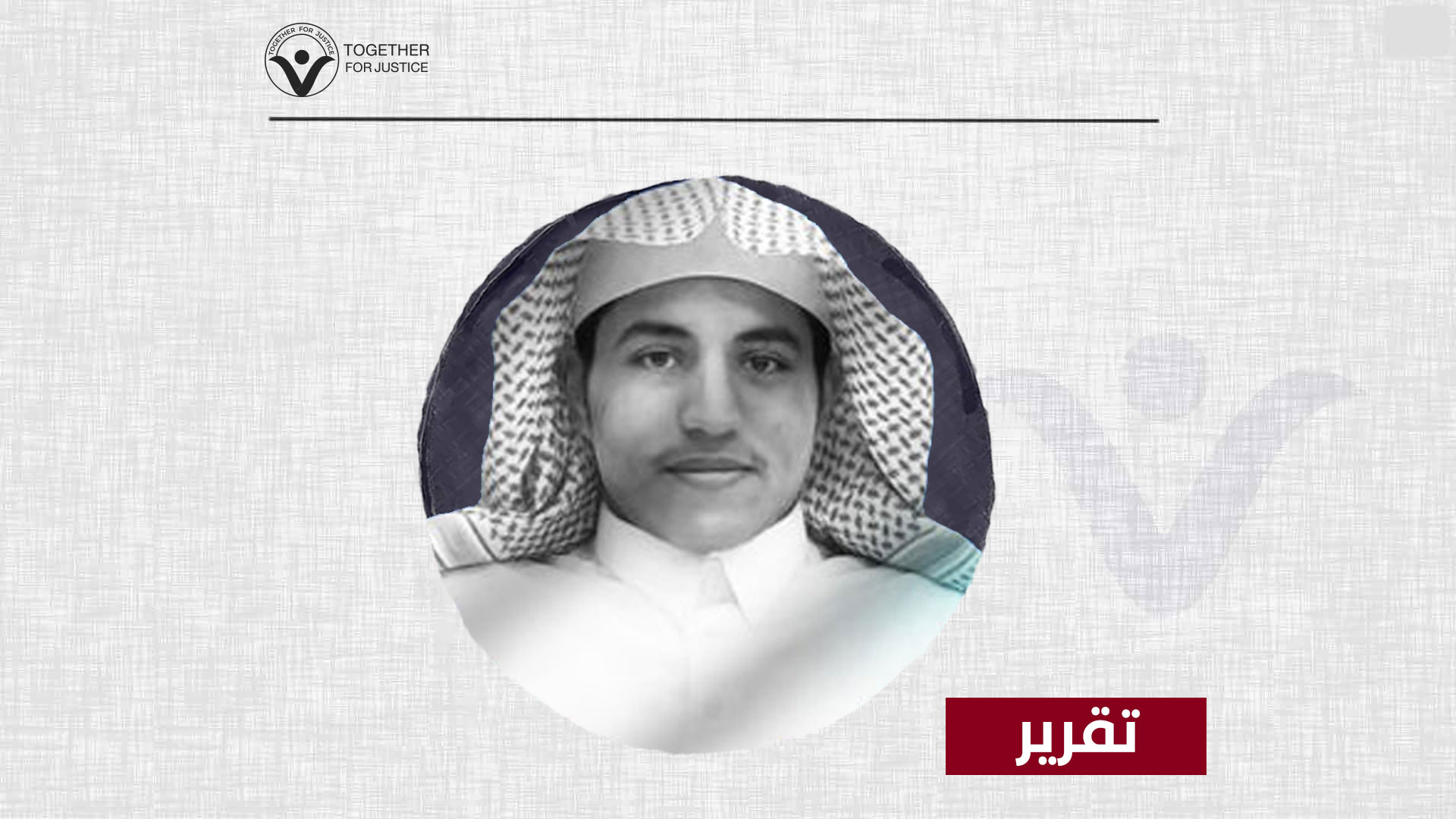
    Together for Justice renews its urgent call for accountability from the Saudi authorities regarding the health and safety of Abdul Rahman Al-Dawish, who has now been languishing in detention for nearly three years. Despite ongoing international concern, his condition has only worsened since he was placed in solitary confinement, leading to his transfer to intensive care earlier in March 2023.

    Abdul Rahman was arrested in October 2021 after persistently seeking information about his forcibly disappeared father, Sheikh Suleiman Al-Dawish, who has been missing since 2016.

    The arrest of Abdul Rahman occurred shortly after he attempted to contact Badr Al-Asaker, the head of Crown Prince Mohammed bin Salman’s private office. Al-Asaker, a key figure in the Saudi regime, is deeply involved in the Crown Prince’s inner circle, which has been central to the ongoing repression in the kingdom. Abdul Rahman’s efforts to seek information about his father’s fate through Al-Asaker tragically led to his own disappearance and subsequent imprisonment.

    After that, Abdul Rahman was subjected to a secret trial on November 5, 2021, without the presence of his family or legal representation. By December 9, 2021, the Specialised Criminal Court in Riyadh had sentenced him to two years in prison, a sentence later upheld by the Court of Appeals in February 2022. Throughout this ordeal, Abdul Rahman has endured a series of egregious human rights violations, including being coerced into signing a confession under duress—accusations which include undermining public order and defaming others through his mobile device.

    More than a month after his arrest, Abdul Rahman’s health took a critical turn, necessitating his transfer to intensive care, where he remained for nearly two weeks. Following this, he was moved to a high-security prison notorious for its harsh conditions, where his life continues to be at serious risk due to the inhumane treatment he is subjected to.

    The suffering of the Al-Dawish family does not end here. In August 2021, Abdul Rahman’s brother, Abdul Wahhab Al-Dawish, was also arrested, and his fate remains unknown to his family. In July 2022, yet another brother, Malik Al-Dawish, was detained after posting a series of tweets demanding the release of their father and the revelation of his fate. This pattern of arrests appears to be a form of collective punishment by the Saudi regime, aimed at silencing the Al-Dawish family for their legitimate demands for justice.

    Together for Justice urgently calls on international governments and organizations to take a firmer stance against Saudi Arabia’s escalating human rights violations. The Al-Dawish family is being subjected to cruel and inhumane treatment simply for exercising their right to seek justice and information about their loved ones. The international community must intervene to prevent further harm to this family and others who find themselves in similar situations.

    We demand immediate UN intervention to investigate the conditions of political prisoners in Saudi Arabia, establish an international committee to review their detentions and trials, and exert pressure on the Saudi authorities to disclose the fate of all forcibly disappeared individuals. Furthermore, it is imperative that fair trials are guaranteed for all detainees in the kingdom.

    The situation is dire, and the time to act is now. The world cannot remain silent in the face of such blatant human rights abuses. The Al-Dawish family’s suffering should serve as a rallying cry for all who believe in justice and human dignity.
  • Prioritizing Human Rights Over Money: Macklemore’s Stand and a Call to Celebrities

    Prioritizing Human Rights Over Money: Macklemore’s Stand and a Call to Celebrities

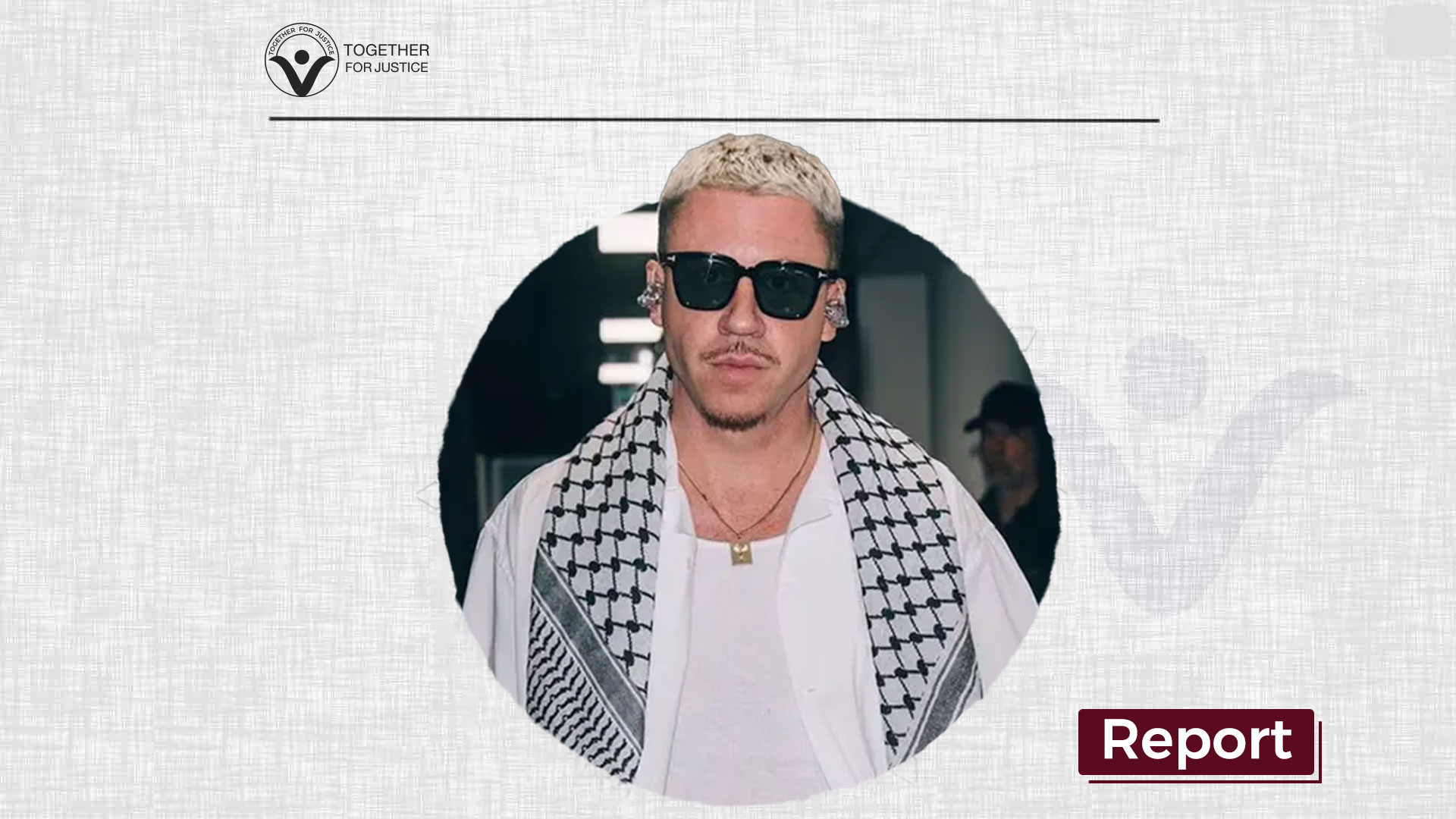
    In a bold and commendable move, US rapper Macklemore has recently canceled his scheduled October show in Dubai, United Arab Emirates (UAE). His decision stems from concerns about the UAE’s alleged involvement in the ongoing conflict in Sudan, specifically its reported support of the paramilitary Rapid Support Forces (RSF), which has been accused of committing severe atrocities in the region. Macklemore’s stance is a powerful example of a celebrity who prioritizes human rights over financial gain, a rare but necessary stand in the world of entertainment.

    Macklemore’s decision resonates beyond the borders of Sudan and the UAE; it raises a crucial question for celebrities and public figures worldwide: Where do we draw the line between art, entertainment, and human rights? His action stands in stark contrast to the many international stars who continue to perform and participate in events in countries with questionable human rights records, particularly Saudi Arabia.

    Saudi Arabia has, in recent years, become a hub for international events, from concerts to sporting events. However, this cultural boom cannot mask the kingdom’s dark record, particularly its role in the devastating war in Yemen. The Saudi-led coalition’s military intervention in Yemen has led to what the United Nations describes as the world’s worst humanitarian crisis. Thousands of civilians have been killed, millions are on the brink of famine, and the country’s infrastructure has been decimated.

    Moreover, the kingdom’s human rights record at home and abroad has drawn international condemnation. The murder of journalist Jamal Khashoggi in 2018 inside the Saudi consulate in Istanbul was a gruesome reminder of the lengths to which the regime will go to silence dissent. Inside the kingdom, repression continues unabated, with crackdowns on activists, dissidents, and even moderate voices who dare to speak out against the government.

    Despite these grave concerns, many celebrities and athletes have turned a blind eye to these issues, choosing instead to perform or participate in events in Saudi Arabia, contributing to the kingdom’s efforts at sportswashing and culture-washing. This practice is a deliberate attempt to distract from human rights abuses by hosting high-profile events, thus polishing the country’s global image.

    Prominent names such as Mariah Carey, Nicki Minaj, David Guetta, and WWE stars have performed in Saudi Arabia, often drawing criticism for their involvement in these events. These performances and participations not only lend legitimacy to the regime but also help it to divert attention from its war in Yemen, the repression within its borders, and the broader crackdowns on freedom of expression.

    As Macklemore rightly pointed out, celebrities and public figures have immense power. They can use their platforms to mobilize collective action and bring global attention to human rights issues. By choosing to stand on the right side of history, they can inspire change and encourage others to do the same. Unfortunately, when they ignore these issues and continue to perform in repressive regimes, they become complicit in the very abuses they should be condemning.

    The entertainment industry must do better. It is time for celebrities to take a stand, as Macklemore did, and refuse to participate in events that serve to whitewash the crimes of repressive regimes. By prioritizing human rights over money, they can send a powerful message that the world is watching and that they will not be complicit in the suffering of others.

    The call is clear: To all celebrities and athletes, if you truly care about justice, human rights, and the dignity of all people, reconsider your involvement in events that serve only to bolster the image of those who commit atrocities. Use your influence for good, and help to bring about the change that the world so desperately needs. The time to act is now.

  • Timeline of Maha Al-Refaidi’s Case: A Tale of Injustice and Repression

    Timeline of Maha Al-Refaidi’s Case: A Tale of Injustice and Repression

    Maha Al-Refaidi, a Saudi activist known for her unwavering commitment to human rights, has faced a relentless campaign of repression by the Saudi authorities. Her arrest in 2019 marked the beginning of a brutal journey through the kingdom’s justice system, a journey characterised by forced disappearance, solitary confinement, and a draconian prison sentence. Maha’s case highlights the ongoing crackdown on peaceful dissent in Saudi Arabia, where activists like her are punished simply for advocating for fundamental freedoms.

    September 28, 2019
    In the early hours of September 28, 2019, Maha Al-Refaidi, a Saudi activist known for her advocacy for human rights, was violently arrested at her home. A force of approximately 30 armed individuals, many of them masked, stormed her residence. The group included personnel in both civilian attire and military uniforms. They forcefully detained Maha, seizing her electronic devices, books, and personal belongings. The arrest marked the beginning of a harrowing ordeal that would last for years.

    September 28, 2019 – Late 2019
    Following her arrest, Maha was subjected to two months of solitary confinement. This period of isolation was not only emotionally and psychologically taxing but also served as a tactic to suppress her voice and break her spirit. After these two months, she was transferred to the general prison population. However, her suffering was far from over. During her detention, Maha was forcibly disappeared for four months, during which her whereabouts were unknown to her family and the outside world.

    Late 2019 – Early 2020
    During a visit in this period, Maha’s family noticed bruises on her face, raising grave concerns about her treatment in custody. The visible injuries strongly suggested that she had been subjected to physical abuse, likely as a means of coercion or punishment. Despite these indications of mistreatment, her legal situation remained precarious, with little transparency or due process.

    Late 2021
    As Maha languished in detention, her case finally reached the Saudi judiciary. In late 2021, the Supreme Court handed down a severe sentence: six years in prison, followed by an additional six years of travel ban. The charges against her were directly tied to her peaceful activism on social media, particularly her Twitter account, where she had posted messages in support of human rights. This sentence highlighted the Saudi authorities’ intolerance of dissent and their harsh measures against those who dare to speak out.

    Post-2021
    The repercussions of Maha Al-Refaidi’s case reverberate beyond her imprisonment. Her sentence serves as a stark warning to other activists in Saudi Arabia, emphasising the risks associated with advocating for human rights in a country where freedom of expression is severely restricted. The international community has expressed concern over her treatment, with human rights organisations calling for her immediate release and an end to the repression of peaceful activists.

    It is imperative that the international community acts swiftly and decisively to secure the release of Maha Al-Refaidi and other imprisoned activists. Governments, human rights organisations, and concerned citizens must continue to pressure the Saudi authorities to respect international human rights standards. By amplifying Maha’s story and advocating for her freedom, we can send a powerful message that the world will not stand by silently as peaceful voices are silenced. Now, more than ever, we must rally together to demand justice for Maha and all those unjustly detained for their courageous stand for human rights.

  • The Goat Life: How Many Najeeb Muhammad in Saudi Arabia?

    The Goat Life: How Many Najeeb Muhammad in Saudi Arabia?

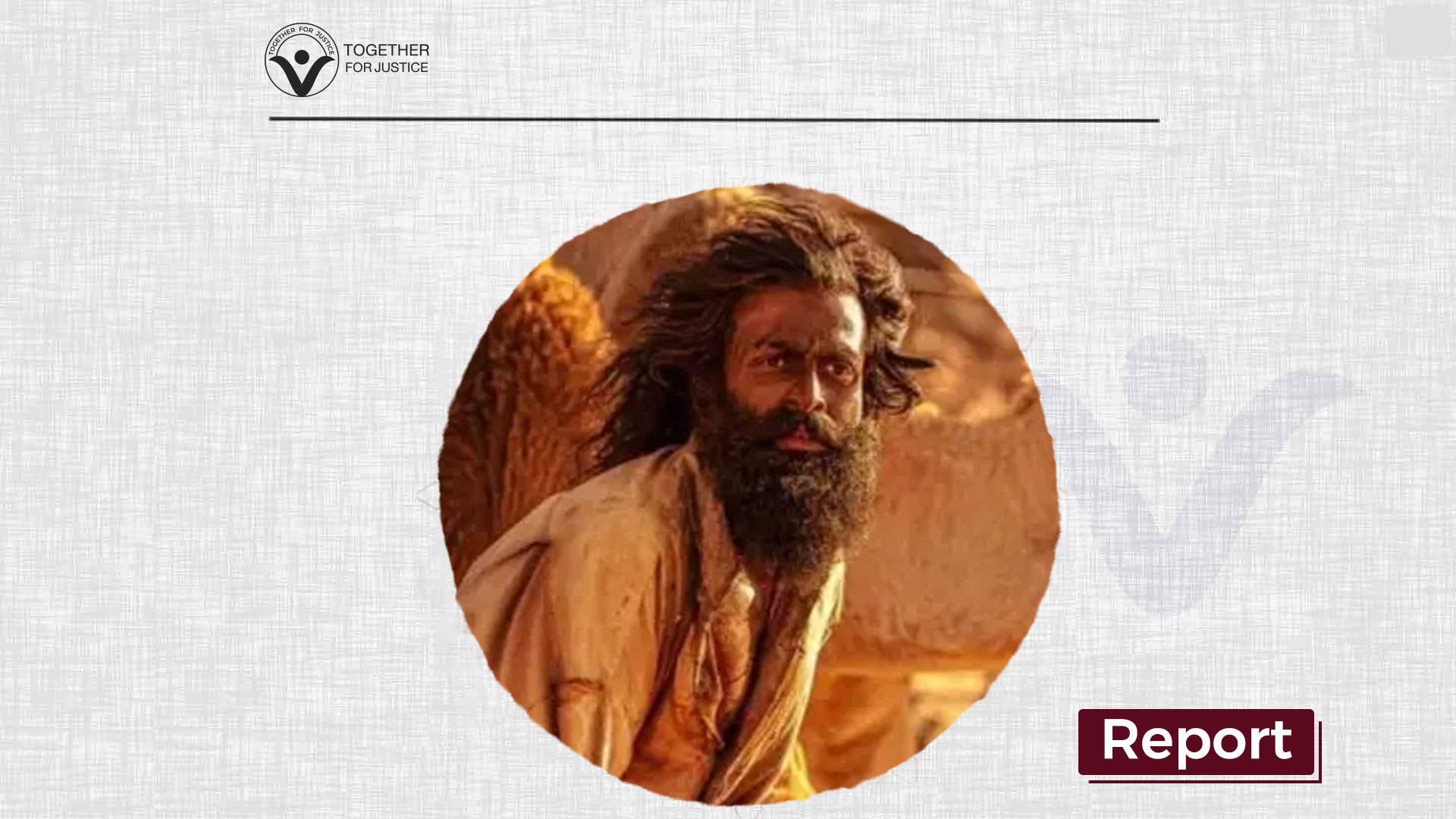
    The release of The Goat Life has brought to the forefront a harrowing story of modern-day slavery that echoes the untold sufferings of countless migrant workers in Saudi Arabia. Najeeb Muhammad’s story, depicted in this powerful film, is not just a singular tragedy but a representation of the broader systemic exploitation under the infamous Kafala system, which continues to subject millions of migrant workers to inhumane conditions.

    The Untold Stories of Exploitation

    Najeeb’s tale is not unique. The Kafala system, prevalent in many Gulf countries, including Saudi Arabia, binds migrant workers to their employers, often leading to severe abuses. Workers under this system are frequently subjected to physical and psychological abuse, withheld wages, confiscation of passports, and restrictions on their freedom of movement. These conditions create an environment ripe for exploitation, where workers like Najeeb are treated as disposable labor with little recourse to justice.

    The Kafala System: A Modern Form of Slavery

    The Kafala system has long been criticized by human rights organizations as a form of modern-day slavery. Despite promises of reform by Saudi Arabia’s Crown Prince Mohammed bin Salman, including efforts to relax some aspects of the system, the reality on the ground remains grim for many workers. The so-called reforms have often been superficial, leaving the core issues of exploitation and lack of legal protections unaddressed.

    Migrant workers, particularly those in domestic work, construction, and agriculture, continue to face harsh working conditions with little to no oversight. The story of Najeeb, who was forced to herd goats in the Saudi desert under appalling conditions, resonates with the experiences of many who have been trapped in a system that dehumanizes and degrades them.

    The Reality of “Reform”

    Mohammed bin Salman’s Vision 2030 has been touted as a transformative plan for Saudi Arabia, promising to modernize the economy and improve human rights. However, the reality for migrant workers tells a different story. While there have been some steps towards easing the restrictions of the Kafala system, such as allowing workers to change jobs without employer consent, these measures have been largely ineffective in protecting workers from abuse.

    In many cases, workers continue to be at the mercy of their employers, with little access to legal recourse or support. The power dynamics entrenched in the Kafala system mean that even with reforms, the exploitation of migrant workers remains a pervasive issue.

    No Wages

    In recent years, Saudi Arabia has witnessed several high-profile cases where migrant workers have been denied their rightful wages, shedding light on the systemic exploitation within the Kafala system. One notable instance occurred in 2019, when thousands of Indian workers were left stranded without pay for several months after the companies, they worked for failed to meet their financial obligations. These workers, who were employed in construction and other sectors, faced extreme hardships, with many living in overcrowded labor camps under deplorable conditions, unable to afford basic necessities or return home due to the confiscation of their passports by employers.

    The Saudi government’s responses, such as offering minimal financial assistance or limited legal pathways for workers to reclaim their wages, have been largely insufficient. These incidents underscore the urgent need for comprehensive reform of the Kafala system, which continues to enable such abuses and leaves migrant workers vulnerable to exploitation and deprivation of their basic human rights.

    Detention Centers

    During the COVID-19 pandemic, migrant workers in Saudi Arabia faced exacerbated hardships, reflecting the systemic vulnerabilities inherent in the Kafala system. The pandemic revealed the stark reality of their living conditions, as many were confined in overcrowded and unsanitary accommodations where social distancing was impossible. Despite the Saudi government’s initial promises to support businesses in paying wages, many migrant workers were left without income as employers were given the leeway to enforce unpaid leave or dismiss workers altogether.

    In detention centers, the situation was dire, with migrants describing being held in cramped spaces without adequate access to basic hygiene or medical care, even as COVID-19 spread among them. The lack of protective measures and the continuation of harsh treatment by guards only worsened their plight, highlighting the failure of the so-called reforms under the Kafala system during a global health crisis.

    The Call for Justice

    The Goat Life is a stark reminder that the fight for migrant workers’ rights is far from over. The international community must continue to pressure the Saudi government to fully abolish the Kafala system and implement meaningful reforms that protect the rights and dignity of all workers.

    Human rights organizations, including Together for Justice, must amplify the voices of those like Najeeb, whose stories have been silenced for too long. We call for immediate action to ensure that migrant workers in Saudi Arabia receive fair treatment, just wages, and the legal protections they deserve.

    As The Goat Life brings attention to the suffering endured by Najeeb Muhammad, we must not forget the countless others who remain trapped in similar situations. Together, we must advocate for the complete dismantling of the Kafala system and the establishment of robust legal frameworks that guarantee the rights of all migrant workers. Only then can we hope to see an end to the untold stories of exploitation in Saudi Arabia.

  • Mohammed Al-Wadani’s 13-Year Ordeal for Advocating Change in Saudi Arabia

    Mohammed Al-Wadani’s 13-Year Ordeal for Advocating Change in Saudi Arabia

    For more than 13 years, Mohammed Al-Wadani, a Saudi political activist, has been languishing in a prison cell, his crime being nothing more than advocating for a constitutional monarchy and defending the rights of political prisoners in Saudi Arabia. Arrested in March 2011, Al-Wadani has since become a symbol of the harsh realities faced by those who dare to speak out in a country where freedom of expression is heavily curtailed.

    Al-Wadani’s journey through the Saudi justice system has been one of relentless injustice. After his arrest, he was subjected to a secretive and unfair trial, resulting in a severe 15-year prison sentence. The trial, held behind closed doors, offered no transparency or semblance of due process, stripping Al-Wadani of his fundamental rights to a fair defense. His lengthy imprisonment is a testament to the severe consequences faced by those who challenge the status quo in Saudi Arabia.

    Over the years, Al-Wadani has endured not only the isolation of imprisonment but also the physical and psychological toll of mistreatment. Reports from inside Saudi prisons paint a grim picture: detainees like Al-Wadani are often subjected to torture, medical neglect, and restricted communication with their families.

    For Al-Wadani, these years have been marked by suffering and silence, with the Saudi authorities imposing a near-total blackout on his condition and the conditions of many other political prisoners.

    The continued imprisonment of Mohammed Al-Wudani serves as a powerful symbol of the need for fundamental human rights reforms in Saudi Arabia.

    The Saudi government must be held accountable for its violations of international law, and immediate steps should be taken to ensure that all citizens have the right to express their opinions without fear of retribution. This includes not only releasing political prisoners like Al-Wudani but also enacting legal and institutional reforms that protect freedom of speech, ensure fair trials, and prohibit torture and other forms of inhumane treatment.

    Moreover, the international community has a crucial role to play in pressuring the Saudi government to improve its human rights record. Diplomatic efforts, economic sanctions, and public advocacy can all contribute to creating the conditions necessary for meaningful change in the kingdom.

    International human rights organizations, governments, and concerned individuals must continue to speak out against the repression in Saudi Arabia and support those who are fighting for their basic rights and freedoms.

  • Abdulaziz Al-Shubaily: A Timeline of Persecution and Struggle for Human Rights in Saudi Arabia

    Abdulaziz Al-Shubaily: A Timeline of Persecution and Struggle for Human Rights in Saudi Arabia

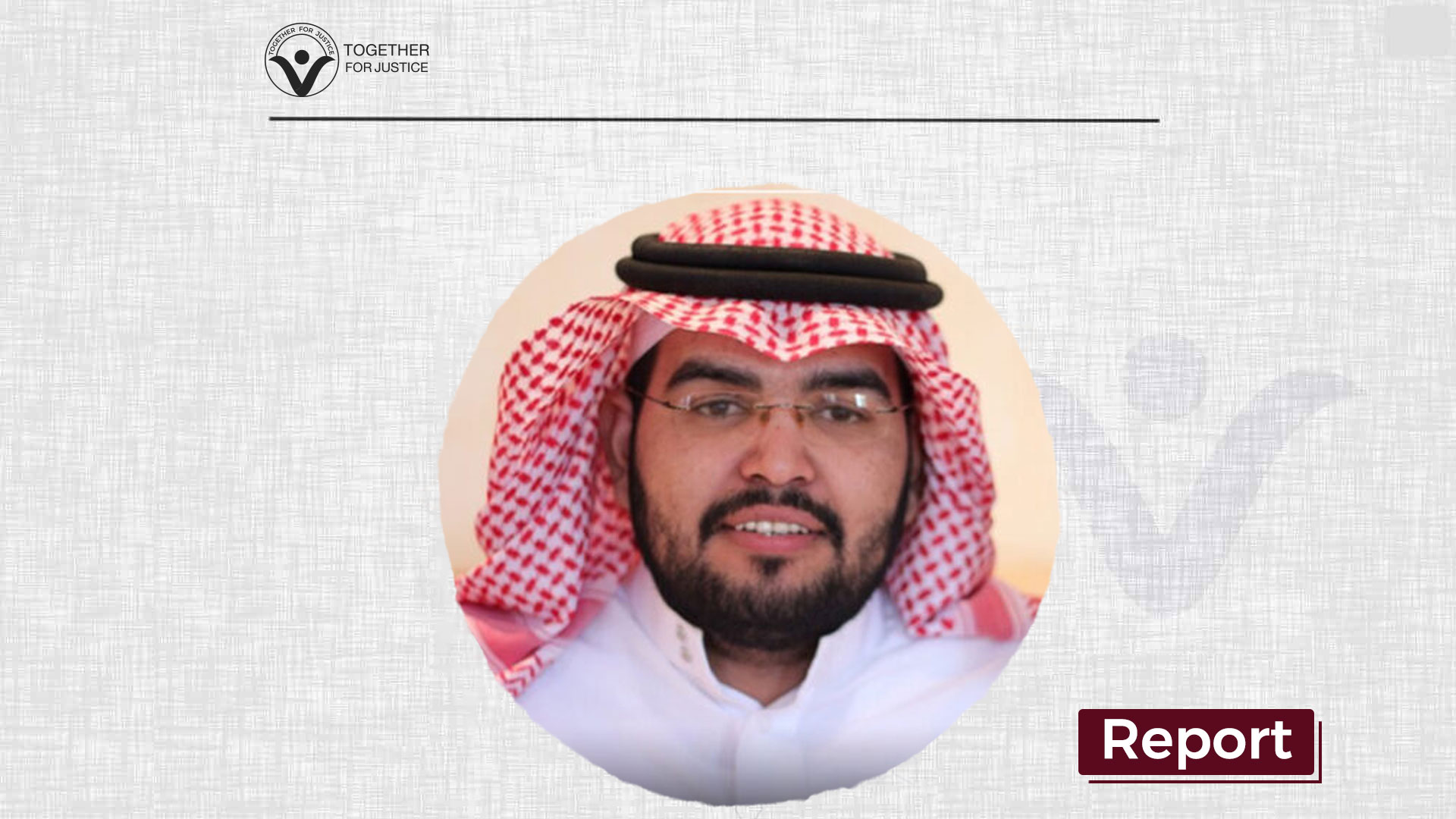
    Abdulaziz Al-Shubaily, a renowned Saudi lawyer and human rights defender, has become a symbol of the ongoing repression of civil rights activists in Saudi Arabia. As a founding member of the Saudi Civil and Political Rights Association (ACPRA), Al-Shubaily dedicated much of his career to defending human rights and advocating for political reform within the Kingdom. His journey from advocate to prisoner reflects the harsh realities faced by those challenging Saudi authorities, particularly under the leadership of Crown Prince Mohammed bin Salman.

    2011: Founding of ACPRA
    Al-Shubaily co-founded ACPRA, a grassroots organization aimed at promoting civil liberties and political reforms in Saudi Arabia. As an active member, he was instrumental in defending victims of judicial persecution and providing legal representation to individuals detained for political dissent. He used social media as a tool to advocate for human rights and to raise awareness about the injustices within the Kingdom.

    2014: The First Legal Challenge
    Al-Shubaily’s activism attracted the attention of the authorities, who sought to curb his influence and silence his criticism. In July 2014, he was officially charged with several offenses, including “incitement to protest” and “challenging the integrity of the Saudi judiciary.” Additionally, he was accused of “slandering the Council of Senior Scholars” and “stirring public opinion against the rulers,” by labeling Saudi Arabia a “police state that violates human rights.”

    These charges were clearly aimed at curtailing his right to free expression and participation in civil society. Despite the gravity of the charges, Al-Shubaily continued his advocacy work, providing legal support for fellow ACPRA members who faced similar persecution.

    2015: Additional Charges and Secret Trial
    In March 2015, Saudi authorities escalated their campaign against Al-Shubaily by introducing a new charge: “communicating with foreign organizations.” This accusation referenced his cooperation with international human rights organizations, including his efforts to share information with United Nations mechanisms.

    Al-Shubaily’s trial began in secrecy before the Specialized Criminal Court (SCC) on April 9, 2015. The court, which often handles cases related to terrorism, has been used as a tool by the Saudi government to suppress political opposition. Despite international pressure, his trial lacked transparency and due process, with severe restrictions on his legal rights.

    2016: Sentence and Appeal
    On May 29, 2016, Al-Shubaily was sentenced to eight years in prison, followed by an eight-year ban on using social media and traveling outside the country. The charges against him were based purely on his peaceful activism and his exercise of fundamental rights, such as freedom of expression and association. However, the Saudi authorities did not immediately detain him, a tactic often employed to pressure activists into ceasing their work by keeping the threat of imprisonment hanging over them.

    In July 2016, Al-Shubaily appealed the decision, but the court upheld his sentence on May 15, 2017. The Saudi regime’s strategy of legal harassment succeeded in restricting his movements and limiting his ability to advocate for human rights during this period.

    2017: Arrest and Detention
    On September 17, 2017, Al-Shubaily was arrested in Al-Qassim province and taken to Al-Uneyzah prison, where he remains detained as of August 2024. His arrest marked the culmination of years of targeted harassment, legal threats, and court proceedings aimed at silencing him and his fellow activists. His detention took place amidst a broader crackdown on civil society under Crown Prince Mohammed bin Salman, with a series of mass arrests targeting intellectuals, clerics, and human rights defenders across the Kingdom.

    International Outcry and UN Involvement
    Al-Shubaily’s case drew significant international attention, particularly from human rights organizations and the United Nations. On November 21, 2019, the UN Working Group on Arbitrary Detention released Opinion No. 71/2019, concluding that Al-Shubaily’s detention was arbitrary and a violation of international law. The Working Group emphasized that his peaceful advocacy for human rights, including his sharing of information through online platforms, could not reasonably be construed as a threat to public order in a democratic society.

    The UN report highlighted the systemic nature of Saudi Arabia’s human rights violations and called for Al-Shubaily’s immediate release. However, Saudi authorities ignored these recommendations.

    2020: UN Secretary-General’s Report
    On September 30, 2020, the UN Secretary-General included Al-Shubaily’s case in the annual report on reprisals against individuals cooperating with UN human rights mechanisms. This inclusion underscored the risks faced by human rights defenders in Saudi Arabia and the Kingdom’s retaliatory actions against those who engage with international human rights bodies.

    Abdulaziz Al-Shubaily’s story is one of resilience in the face of systemic oppression. His work with ACPRA and his dedication to defending civil liberties in Saudi Arabia has come at great personal cost. The ongoing suppression of his rights, despite global attention, illustrates the challenges activists face under the rule of Crown Prince Mohammed bin Salman. Al-Shubaily’s case remains a powerful symbol of the struggle for human rights in the Kingdom, highlighting the urgent need for international advocacy and pressure to secure his release and to protect the rights of others like him.

  • Saudi Authorities Continue to Detain Academic Ibrahim Al-Fares Despite Completing Sentence in 2020

    Saudi Authorities Continue to Detain Academic Ibrahim Al-Fares Despite Completing Sentence in 2020

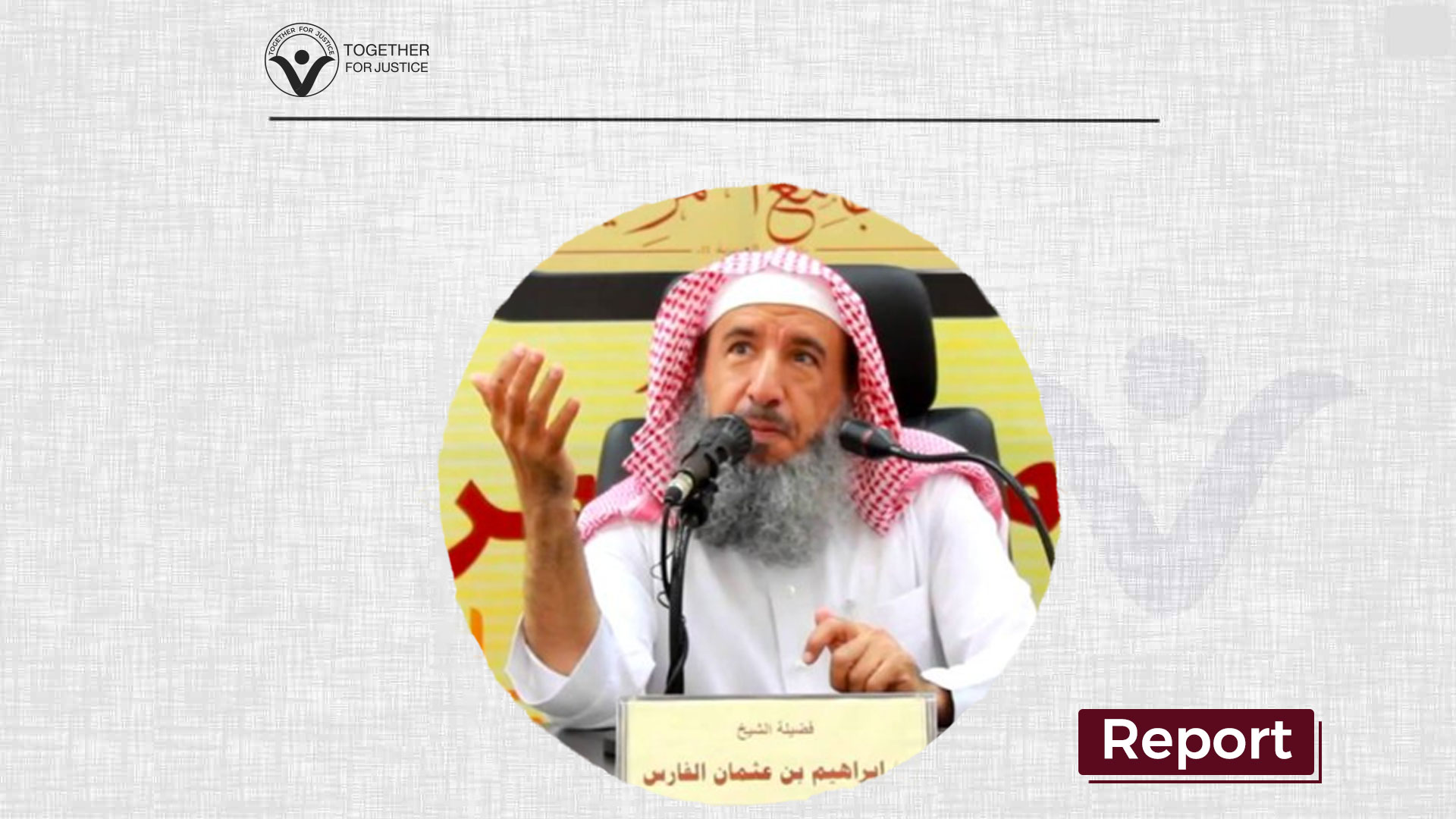
    As Saudi Arabia presents itself as a nation on the path of reform and modernization under Crown Prince Mohammed bin Salman, the continued detention of academic and religious scholar Ibrahim Al-Fares raises serious concerns about the kingdom’s commitment to human rights and the rule of law. Now in August 2024, Al-Fares remains imprisoned despite having completed his three-year sentence, a stark reminder of the ongoing repression against those who dare to express dissenting views.

    Ibrahim Al-Fares, an assistant professor at King Saud University in Riyadh, was arrested during the September 2017 crackdown that targeted a wide range of writers, thinkers, religious scholars, activists, and political dissidents. This sweeping campaign, led by Mohammed bin Salman, was part of an effort to consolidate power and silence any voices that might challenge the government’s narrative.

    Al-Fares, known for his alignment with other defenders of rights and democracy in Saudi Arabia, was sentenced to three years in prison following a trial that lacked the most basic standards of justice. He was denied the right to legal representation and was unable to defend himself adequately.

    Now, seven years after his initial arrest and despite the completion of his sentence in 2020, Al-Fares continues to be held in detention without any clear legal justification. This extended imprisonment not only violates his rights but also highlights the broader pattern of human rights abuses in Saudi Arabia. The arbitrary nature of his continued detention underscores the kingdom’s disregard for the rule of law and its ongoing repression of freedom of expression.

    Freedom of expression and human rights are fundamental to the health of any democracy and are essential for cultural and intellectual diversity. The Saudi government has frequently promised reforms, claiming to modernize its legal system and protect the rights of its citizens. However, cases like that of Ibrahim Al-Fares cast serious doubt on these promises. The continued repression of individuals who express dissenting opinions shows that these reforms are, at best, superficial and, at worst, entirely disingenuous.

    The international community must take notice of Al-Fares’ case and recognize it as part of a broader trend of human rights violations in Saudi Arabia. The prolonged detention of activists, academics, and religious figures without due process is a clear violation of international human rights standards. It is imperative that the Saudi government be held accountable for these actions and that pressure be applied to ensure the release of Al-Fares and others who have been unjustly detained.

    Human rights organizations, like “Together for Justice,” have been vocal in their calls for the immediate release of Ibrahim Al-Fares and all other political detainees in Saudi Arabia. They have highlighted the inhumane conditions faced by many of these prisoners, who are often subjected to degrading treatment and denied access to legal recourse. The continued imprisonment of Al-Fares, despite the completion of his sentence, is a clear example of the kingdom’s strategy to silence dissent through fear and intimidation.

    The detention of Ibrahim Al-Fares is not just an isolated case; it reflects the broader environment of repression in Saudi Arabia. The government’s continued use of arbitrary detention to silence critics and suppress free speech is incompatible with its claims of reform. If Saudi Arabia is truly committed to becoming a modern, progressive state, it must begin by respecting the basic human rights of its citizens, including the right to free expression and the right to a fair trial.

    As the world continues to engage with Saudi Arabia, it is crucial that human rights are not overlooked in favor of economic or strategic interests. The case of Ibrahim Al-Fares serves as a poignant reminder of the need for sustained international pressure to ensure that the kingdom’s promises of reform translate into tangible improvements in the lives of its citizens. The release of Al-Fares and other political detainees would be a critical first step toward demonstrating that Saudi Arabia is serious about its commitment to human rights and the rule of law.

  • Saudi Journalist Saeed Al-Shahrani Disappeared for Five Years

    Saudi Journalist Saeed Al-Shahrani Disappeared for Five Years

    Saeed Al-Shahrani, a well-known Saudi journalist and television host, has been missing for nearly five years, a victim of enforced disappearance following his arbitrary arrest by Saudi authorities in late 2019. His case is a stark reminder of the ongoing human rights abuses in Saudi Arabia, where individuals who dare to express dissenting opinions are often subjected to severe repression.

    Al-Shahrani, who gained popularity as a presenter on the television channel “Bidaya,” was known for his bold approach to discussing sensitive topics. He did not shy away from expressing his views on social media, particularly when it came to criticising certain policies of the Saudi government. However, this courage came at a steep cost. In late 2019, without any legal warrant or formal charges, Al-Shahrani was arrested and taken to an undisclosed location. Since then, his whereabouts and condition have remained unknown, leaving his family and supporters in a state of anguish.

    The Saudi government has yet to officially disclose the reasons behind Al-Shahrani’s arrest or his current status. However, sources suggest that his outspoken criticism of Crown Prince Mohammed bin Salman’s policies, especially those labeled as reforms, likely led to his disappearance. Despite numerous appeals from his family and human rights organisations, the authorities have maintained a tight veil of secrecy around his case, refusing to provide any information or allow any form of communication with him.

    This case highlights a broader pattern of repression in Saudi Arabia, where arbitrary detention and enforced disappearance are used as tools to silence critics and instill fear among the population. The absence of a fair trial, the denial of legal representation, and the complete lack of transparency in such cases represent gross violations of international human rights standards.

    “Together for Justice” has been vocal in condemning the arbitrary detention and enforced disappearance of individuals like Saeed Al-Shahrani. The organisation stresses that these actions are clear violations of international law, particularly Article 19 of the International Covenant on Civil and Political Rights, which guarantees the right to freedom of opinion and expression.

    The enforced disappearance of Saeed Al-Shahrani is not an isolated incident. It is part of a broader crackdown on dissent in Saudi Arabia, where activists, journalists, and ordinary citizens who express opposition to the government are often targeted. These individuals are frequently arrested without warrant, held without trial, and subjected to inhumane treatment, including torture and prolonged solitary confinement. Their families are left in the dark, with no information about the fate of their loved ones.

    “Together for Justice” has called on the international community to take concrete action to pressure the Saudi government to end these egregious human rights violations. The organisation demands the immediate and unconditional release of all individuals arbitrarily detained for exercising their right to free expression. Moreover, it urges accountability for those responsible for these abuses, both under Saudi law and through international mechanisms.

    As the world continues to engage with Saudi Arabia, it is imperative that human rights are not overlooked in favor of economic and strategic interests. The case of Saeed Al-Shahrani serves as a sobering reminder of the urgent need for global action to address the ongoing repression in the kingdom. His disappearance, and the silence surrounding it, is a testament to the risks faced by those who speak out in Saudi Arabia. It is a situation that demands not only attention but also decisive and sustained pressure from the international community.

  • Saadallah Al-Hawali’s 14-Year Sentence: A Grim Example of Collective Punishment in Saudi Arabia

    Saadallah Al-Hawali’s 14-Year Sentence: A Grim Example of Collective Punishment in Saudi Arabia

    In a stark example of the ongoing repression in Saudi Arabia, Saadallah Al-Hawali, the younger brother of the prominent scholar Sheikh Safar Al-Hawali, has been subjected to severe and unjust treatment by the Saudi authorities. In January 2023, his prison sentence was escalated from 4 years to 14 years, following direct orders from the government, without any legal justification, especially considering that his initial sentence had already been served.

    Saadallah’s ordeal began in July 2018, when Saudi security forces raided his home, arrested him, and held him in an undisclosed location for years before he was secretly sentenced to 4 years in prison on fabricated charges. The charges were linked to the suspicion that Saadallah had leaked a digital copy of his brother’s book, “Muslims and Western Civilization,” a text that criticizes corruption and excessive spending on unproductive activities in the kingdom.

    The recent escalation of Saadallah’s sentence is not an isolated incident but rather part of a broader strategy of collective punishment employed by the Saudi regime. The primary reason for this harsh treatment is his relationship with his brother, Sheikh Safar Al-Hawali, who is considered an enemy of the state despite his advanced age and deteriorating health. Sheikh Safar, who suffers from a broken pelvis, a past stroke, and severe kidney issues, has been imprisoned under harsh conditions, reflecting the Saudi government’s determination to silence dissent at any cost.

    The Al-Hawali family’s suffering extends beyond Saadallah and Sheikh Safar. Abdullah, another family member, donated one of his kidneys to his father before being detained himself. With only one kidney, Abdullah requires a strict medical regimen and a clean, comfortable environment to prevent complications. However, the notorious conditions in Saudi detention facilities, particularly for political prisoners, exacerbate the risks to his health.

    The collective punishment of the Al-Hawali family serves as a grim illustration of how the Saudi regime deals with those it perceives as threats. From humiliating arrests and enforced disappearances to secret trials without legal representation and restricted communication with the outside world, the authorities have systematically targeted the Al-Hawali family in an attempt to pressure them into submission. This strategy of targeting not just individuals but entire families is designed to create fear and suppress any potential dissent within the kingdom.

    Moreover, Saadallah Al-Hawali has been denied basic medical care since his arrest, a tactic that the Saudi authorities have used against numerous political prisoners. Despite calls from human rights organisations and international observers, the Saudi government continues to keep Saadallah’s situation, along with that of many other political detainees, shrouded in secrecy. This veil of silence only adds to the suffering of the detainees and their families, who are left in a state of constant anxiety and uncertainty.

    “Together for Justice” has called for the immediate release of Sheikh Safar Al-Hawali and his family members, emphasising the severe risks posed to their lives by their ongoing detention. They also demand the unconditional release of all prisoners of conscience whose only crime is peaceful opposition to the regime.

    The case of the Al-Hawali family is a stark reminder of the lengths to which the Saudi government will go to suppress dissent. It underscores the urgent need for the international community to hold the Saudi regime accountable for its human rights abuses and to demand justice for those who are unjustly imprisoned. As the world continues to engage with Saudi Arabia, it must not turn a blind eye to the suffering of families like the Al-Hawalis, who have become collateral damage in the regime’s relentless pursuit of control.

  • Saudi Activist Mohammed Al-Fawzan Imprisoned for Over Four Years Without Trial

    Saudi Activist Mohammed Al-Fawzan Imprisoned for Over Four Years Without Trial

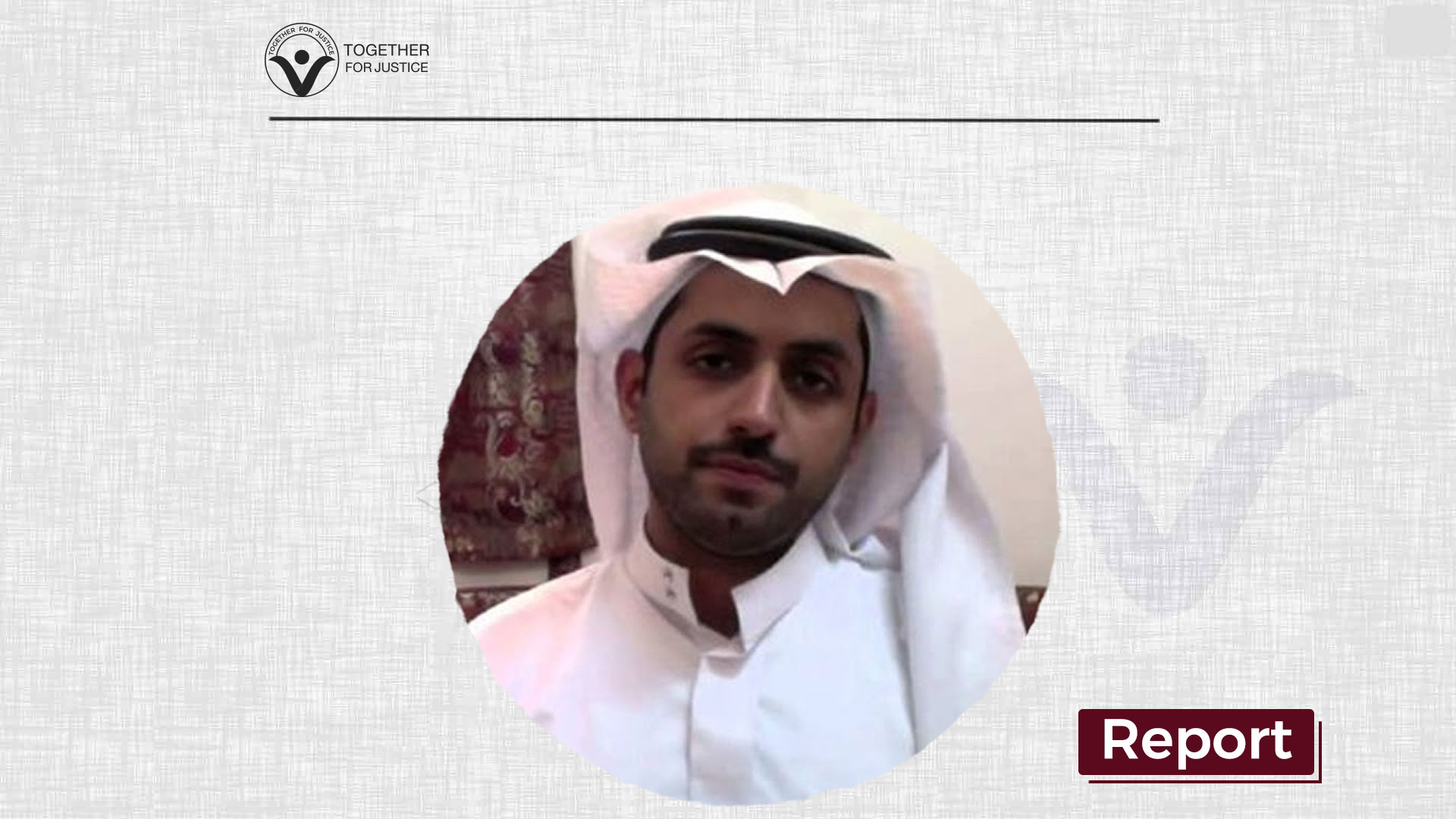
    Saudi activist and blogger Mohammed Al-Fawzan, widely known as Abu Noura, has been imprisoned in Saudi Arabia for more than four years without formal charges or a trial. His only apparent offense is his vocal criticism of the Saudi government’s policies, which he expressed on social media over ten years ago.

    Al-Fawzan, a prominent figure on social media, is followed by tens of thousands of Saudis. He is known for his bold opinions and his willingness to speak out on sensitive issues. Over the years, Al-Fawzan has criticised various aspects of life in Saudi Arabia, including the private sector and the government’s approach to democracy and political detainees. These outspoken views eventually led to his arrest in April 2020.

    Despite being held for over four years, the Saudi authorities have yet to formally charge Al-Fawzan or bring him to trial. Like many other political prisoners in the kingdom, he has been denied basic human rights, including regular communication with the outside world, consistent contact with his family, and the ability to appoint a lawyer.

    The conditions of his detention are reported to be harsh and in violation of international standards for prisoner treatment. Al-Fawzan, like many others detained for expressing dissent, has been subjected to psychological and physical mistreatment. The uncertainty surrounding his case has also caused significant distress to his family, who have been left in the dark about his fate.

    As Saudi Arabia continues to hold political prisoners like Mohammed Al-Fawzan without trial, the international community, including Western governments, has shown a troubling willingness to overlook these human rights abuses. Despite President Joe Biden’s campaign promises to hold Saudi officials accountable, including for the brutal murder of journalist Jamal Khashoggi, the reality has been a continued cooperation with Crown Prince Mohammed bin Salman. This cooperation persists even though the same Western governments once condemned Khashoggi’s assassination.

    This ongoing collaboration with the Saudi regime underscores a glaring inconsistency between the rhetoric of human rights advocacy and the actual policies of Western nations. Economic and strategic interests have often taken precedence over the principled stance on human rights, allowing the repression in Saudi Arabia to continue largely unchecked. As Mohammed Al-Fawzan and others remain unjustly imprisoned, it is crucial for the international community to reassess its engagement with Saudi Arabia and ensure that human rights are not sacrificed for political convenience.