Four Years of Injustice – The Case of Imran Al-Arkani

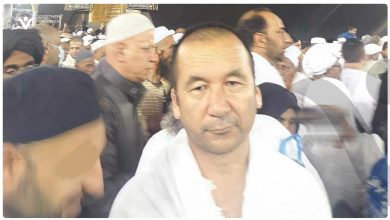
As October 2025 approaches, Saudi authorities continue to arbitrarily detain Imran Al-Arkani, a prominent humanitarian and advocate for the rights of oppressed minorities. By then, he will have spent four years behind bars, without any legitimate legal basis for his arrest or sentencing.
Al-Arkani, a member of the Rohingya minority and a vocal figure in highlighting the plight of marginalized communities, was arrested in October 2021 from his home in Mecca. His arrest followed an orchestrated online campaign by pro-regime accounts targeting him with incitement and false allegations, painting his peaceful activism as a threat to national security—an accusation the Saudi regime routinely uses to silence dissenting voices.
A year after his arrest, in October 2022, the Specialized Criminal Court sentenced him to a staggering 25 years in prison, without presenting any clear charges or evidence to justify such a harsh punishment. In a subsequent appeal, the sentence was reduced to 20 years, but the decision remained baseless and unjust.
Al-Arkani’s case is not an isolated one. It reflects a broader pattern of systematic repression by the Saudi regime, particularly targeting non-Saudi residents, stateless individuals, religious minorities, refugees, and human rights advocates. The kingdom continues to use its judicial system as a weapon to crush activism, suppress minority voices, and maintain absolute control over the narrative.
Despite repeated calls from human rights organisations, Saudi authorities refuse to release Al-Arkani or reconsider his sentence. His prolonged detention stands as a stark violation of international human rights law, including the right to freedom of expression, due process, and protection from arbitrary detention.
Together for Justice strongly condemns the continued imprisonment of Imran Al-Arkani and calls for his immediate and unconditional release. The organisation also urges the international community to hold Saudi Arabia accountable for its grave and escalating violations against human rights defenders and vulnerable communities within its borders.