Over Five Years of Pre-Trial Detention: Saudi Authorities Keep Bandar Al-Jahdali Behind Bars for a Single Tweet

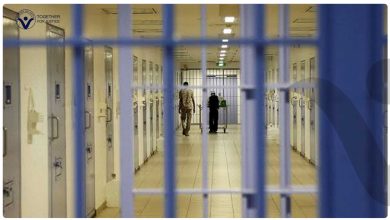
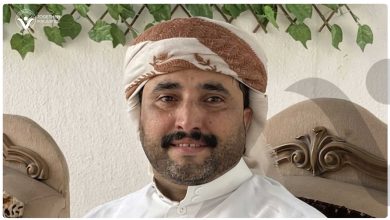
It has now been more than five years since Saudi security forces arrested 29-year-old Bandar Al-Jahdali in November 2019. His “offence” was a brief tweet that criticised soaring unemployment and demanded his constitutional right to work. Within hours of posting it, he was seized without a warrant, taken to an undisclosed location and denied contact with legal counsel. To this day—mid-2025—he has never appeared before a judge, never been formally charged and never been permitted to appoint a lawyer.
The Saudi authorities’ treatment of Al-Jahdali violates both domestic law and every major international standard to which the Kingdom says it adheres. Article 114 of Saudi Arabia’s own Criminal Procedure Law caps pre-trial detention at six months unless a detainee is referred to court. Yet Al-Jahdali has entered his sixty-fifth month of solitary confinement. The International Covenant on Civil and Political Rights, notably articles 9 and 14, prohibits arbitrary arrest and guarantees the right to legal representation, a speedy hearing and scrutiny of the lawfulness of detention. Riyadh’s refusal even to acknowledge the case in public is a textbook example of enforced disappearance under the UN Convention for the Protection of All Persons from Enforced Disappearance.
Family sources report that Al-Jahdali has endured prolonged isolation and repeated interrogations aimed at extracting a signed confession. Medical care is sporadic; letters and phone calls are blocked. Requests by relatives to deliver clothing and medication have been turned away without explanation. Independent lawyers inside the Kingdom, aware of the penalties for representing prisoners of conscience, refuse to take the file.
Al-Jahdali’s ordeal exposes the larger pattern of repression faced by Saudis who voice economic grievances. Crown Prince Mohammed bin Salman’s Vision 2030 agenda promises job creation and civic participation, yet citizens who point out its failures find themselves criminalised. The practice turns the Criminal Court and the Specialised Criminal Court—ostensibly anti-terrorism chambers—into instruments for silencing non-violent critics.
Together for Justice holds the Saudi government wholly responsible for Al-Jahdali’s safety and calls for his unconditional release without delay. The authorities must either present recognisable criminal charges before a competent, independent and impartial tribunal, or free him immediately, in line with the Working Group on Arbitrary Detention’s jurisprudence. We further urge the United Nations Special Rapporteurs on freedom of expression, on assembly and association, and on the independence of judges and lawyers to request urgent country visits. Multinational firms courted by Vision 2030, and governments preparing security or trade deals with Riyadh, should condition engagement on verifiable improvements in due-process standards, including ending the open-ended use of pre-trial detention.
Bandar Al-Jahdali, whose only “crime” was demanding the right to work in his own country, must not spend a sixth year in legal limbo. Justice delayed in his case is justice denied to every Saudi citizen who still believes reform can be voiced aloud.