Seven Years On: Jamal Khashoggi’s Murder and the Global Complicity in Saudi Arabia’s Image Laundering
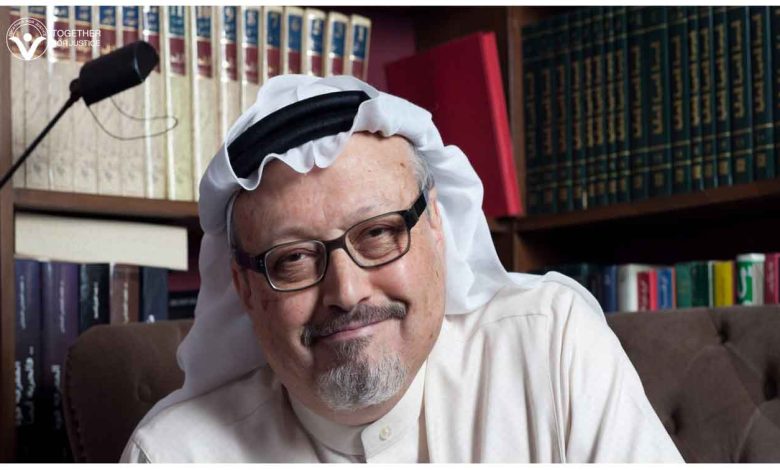
Seven years have passed since the brutal murder of Saudi journalist Jamal Khashoggi inside his country’s consulate in Istanbul on October 2, 2018 — a crime that shocked the world and exposed the true face of Saudi repression under Crown Prince Mohammed bin Salman (MBS).
Khashoggi entered the consulate to collect paperwork for his marriage. He never walked out.
He was killed and dismembered by a hit squad sent from Riyadh — an operation that U.S. intelligence agencies, including the CIA, later concluded was approved by MBS himself.
In the immediate aftermath, global outrage was swift. Governments, media institutions, and human rights bodies demanded accountability and vowed that justice would be served. Yet seven years later, those promises have dissolved into silence and complicity. While Jamal’s memory still symbolizes the cost of speaking out, his killers have reintegrated into the world stage, shielded by political power and oil wealth.
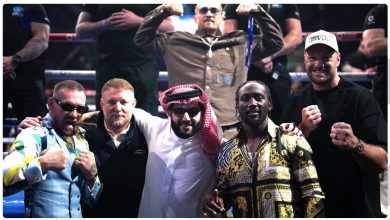
Today, the same Saudi state that orchestrated the assassination of a journalist inside a diplomatic mission has rebranded itself as a hub of entertainment, sports, and technology. Billions of dollars flow into image-washing campaigns designed to overshadow the Kingdom’s record of repression.
Comedians, athletes, and global celebrities are being flown to Riyadh, paid exorbitant fees to perform, and in doing so, help normalize a regime that imprisons writers, silences dissidents, and continues to execute its critics.
This year’s Riyadh Comedy Festival gathered high-profile American comedians while, just months earlier, the regime executed journalist Turki al-Jasser for allegedly running a Twitter account critical of the government. These events are not coincidences — they are two sides of the same system: one hand holding a microphone, the other a bone saw.
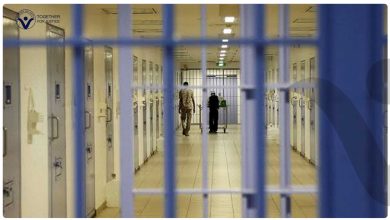
The Kingdom’s leadership has mastered the art of political theater. Under the banner of Vision 2030, MBS seeks to portray Saudi Arabia as a “modern” and “open” society — all while hundreds of prisoners of conscience remain behind bars, many of them tortured, disappeared, or facing death sentences after secret trials.
The entertainment and sports industries have become key pillars of this rebranding strategy: hosting international festivals, purchasing football clubs, launching esports ventures, and partnering with Western conglomerates, including controversial deals linked to Jared Kushner and Donald Trump.
The goal is clear — to erase the memory of Khashoggi’s dismembered body with the applause of global audiences.
Even the institutions once seen as defenders of press freedom have faltered. The Washington Post, the paper where Khashoggi’s columns were published, has since dismantled the Jamal Khashoggi Fellowship and discontinued Arabic translations of its opinion section — a symbolic retreat from the very values Jamal fought for: accessibility, transparency, and truth in the face of power.
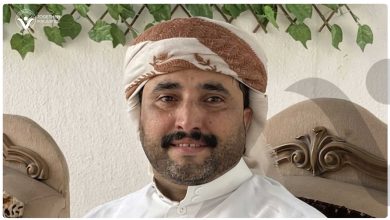
Saudi Arabia’s assault on journalism has not stopped with Khashoggi. Independent Saudi activists and journalists continue to face imprisonment, travel bans, and death sentences under vague charges of “terrorism” or “threatening national security.”
The Specialized Criminal Court (SCC) — a judicial arm of political repression — continues to issue death verdicts based on coerced confessions and “taʿzir” rulings, a discretionary mechanism that allows judges to impose capital punishment outside of the strict bounds of Sharia law. This same system that killed Jamal Khashoggi still governs every aspect of Saudi public life.
Meanwhile, Western governments, entertainment companies, and international organizations have chosen to look away. Economic interests, energy deals, and multi-billion-dollar investments have become more valuable than human lives. The normalization of relations with a regime that kills journalists and silences dissent sets a dangerous precedent — one where money buys immunity and murder fades into spectacle.
Khashoggi’s murder was not an isolated act; it was a message. A warning to every Saudi journalist, activist, or thinker who dares to question authority — and to every international partner who values profit over principle. The world’s willingness to forget is what ensures such crimes continue.
Together for Justice reiterates that impunity for Jamal Khashoggi’s killers remains one of the most glaring failures of international justice in the 21st century.
Together for Justice calls for:
- An independent, international investigation into the assassination of Jamal Khashoggi;
- Accountability for all those responsible, including Crown Prince Mohammed bin Salman;
- A suspension of entertainment, cultural, and sports partnerships with Saudi Arabia until tangible reforms and transparency are achieved;
- Global solidarity with Saudi dissidents, journalists, and exiles who continue to face persecution for exercising their right to free expression.
No amount of festivals, celebrity endorsements, or billion-dollar investments can wash away the blood of Jamal Khashoggi. His legacy endures not through the silence of institutions, but through the voices that refuse to be bought — and the truths that refuse to die.