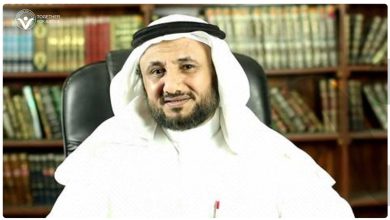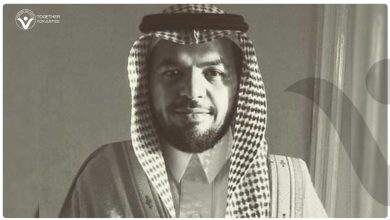
Eight Years Without Trial: The Enforced Disappearance of Saudi Academic and Human Rights Advocate Razin Al-Razin Continues Amid Ongoing Secrecy

Eight years after his arrest, Saudi lawyer, academic, and reform advocate Dr. Razin Al-Razin remains detained amid continuing uncertainty over his whereabouts, legal status, and health condition, according to human rights organizations.
Arrested on 30 September 2017, Al-Razin was among the academics, religious figures, intellectuals, and activists detained during Saudi Arabia's broad crackdown on independent voices that began that year. Despite the passage of eight years, the Saudi authorities have disclosed little information regarding his case, and rights groups say there is no public indication that he has received a fair and transparent judicial process.
His continued detention has become emblematic of wider concerns surrounding arbitrary detention, enforced disappearance, and restrictions on civil society in Saudi Arabia.
A Lawyer and Academic Known for Public Advocacy
Before his arrest, Dr. Al-Razin was widely known in academic and legal circles for his work as a professor at Imam Mohammad Ibn Saud Islamic University and as the former Executive Chairman of the Consumer Protection Association.
His public work focused on consumer rights, legal accountability, and institutional reform. Colleagues and supporters describe him as an advocate for transparency and public interest rather than a political opponent of the state.
His efforts to address corruption and abuse of power earned him respect among many observers but also placed him at odds with influential interests, according to rights organizations familiar with his case.
Arrested During the 2017 Crackdown
Al-Razin's detention formed part of the extensive wave of arrests launched by Saudi authorities in September 2017, when dozens of clerics, academics, writers, economists, and civil society figures were detained.
Human rights organizations have repeatedly described that campaign as one of the kingdom's most significant crackdowns on peaceful dissent in recent decades.
Many of those arrested were accused of broadly defined national security or terrorism-related offenses, charges that international rights groups argue have frequently been used to criminalize peaceful expression and independent activism.
Allegations of Enforced Disappearance and Ill-Treatment
According to human rights organizations, Saudi authorities have never publicly clarified Dr. Al-Razin's place of detention or provided transparent information regarding his legal proceedings.
His family has reportedly been denied meaningful access to information about his condition, while concerns persist regarding his ability to communicate with legal counsel.
Rights organizations further allege that Al-Razin has been subjected to enforced disappearance, prolonged solitary confinement, and physical and psychological abuse during his detention.
Because Saudi authorities have released almost no official information regarding his case, many aspects of his detention remain difficult to independently verify, reinforcing calls for greater transparency.
Counterterrorism Laws and the Suppression of Peaceful Dissent
Supporters of Dr. Al-Razin reject allegations circulated by pro-government media linking him to terrorism financing, describing such accusations as politically motivated and unsupported by credible evidence.
International human rights organizations have repeatedly expressed concern over Saudi Arabia's use of broadly worded counterterrorism legislation against peaceful activists, academics, lawyers, and reform advocates.
According to these organizations, such laws have increasingly been employed to silence criticism, restrict independent civil society, and suppress calls for institutional reform rather than address genuine security threats.
Eight Years Without Transparency
The prolonged nature of Al-Razin's detention has become a central concern for rights advocates.
Eight years without publicly available information regarding his legal status, health condition, or detention circumstances raises serious questions under international human rights standards governing arbitrary detention, due process, and protection from enforced disappearance.
Human rights organizations argue that prolonged incommunicado detention significantly increases the risk of torture and other forms of ill-treatment while depriving detainees of fundamental legal safeguards.
Renewed Calls for International Action
On the eighth anniversary of his arrest, Together for Justice renewed its call for Saudi authorities to disclose Dr. Al-Razin's whereabouts, clarify his legal status, allow independent access to him, and ensure his right to a fair and transparent judicial process.
The organization also urged the international community not to allow long-term cases such as Al-Razin's to disappear from international attention as Saudi Arabia expands its global political and economic partnerships.
For rights advocates, Dr. Razin Al-Razin's case has come to symbolize the broader cost borne by lawyers, academics, and peaceful reform advocates who sought greater accountability and respect for the rule of law.
Eight years after his disappearance into Saudi Arabia's detention system, the central questions remain unanswered: where is Dr. Razin Al-Razin, what is his condition, and why has the public still been denied clear information about his fate?